
Blog
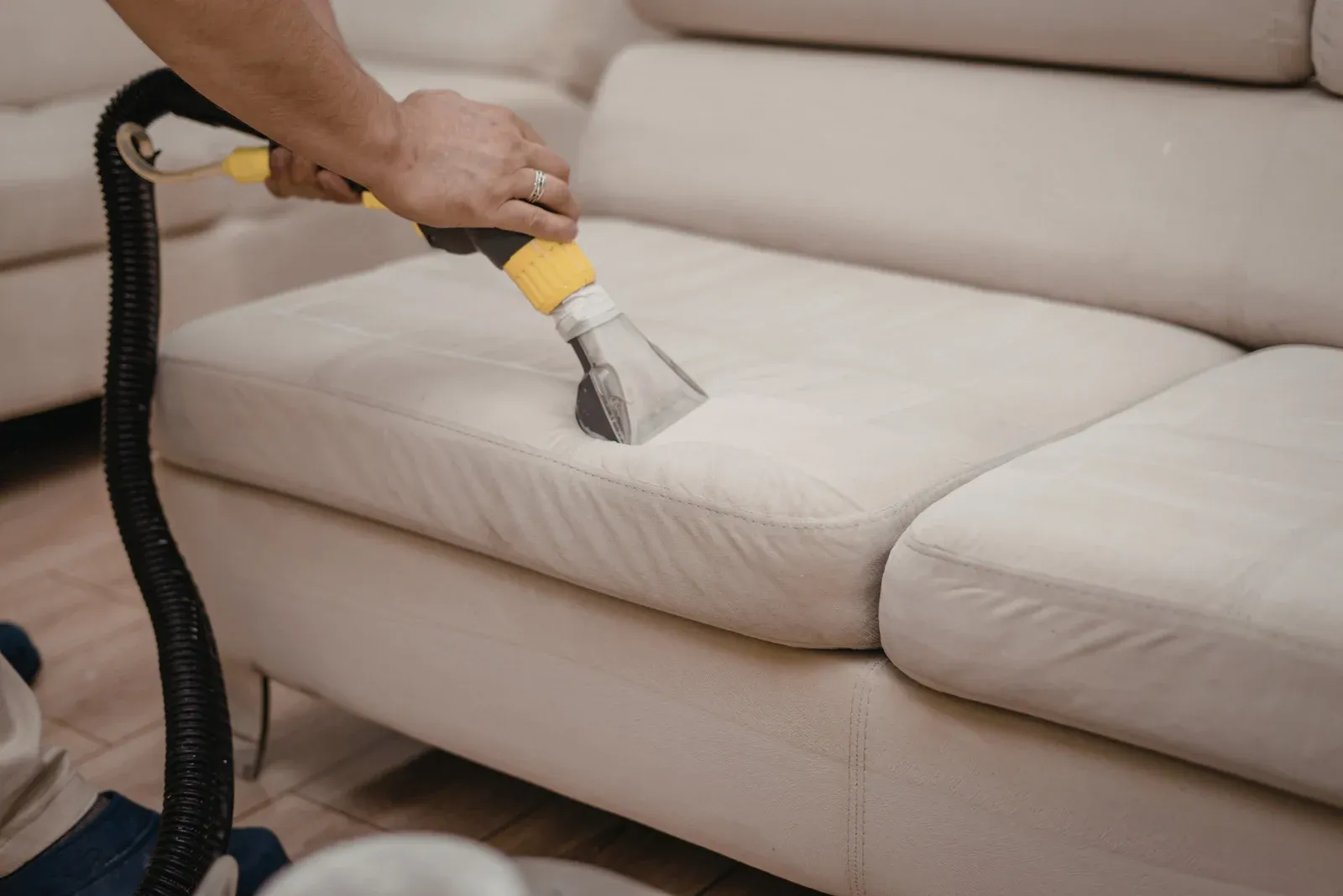
Upholstered furniture is designed to provide comfort, warmth, and visual softness within the home. Sofas and armchairs are used daily for relaxing, socialising, and spending time with family. Over time, however, these fabrics quietly collect dust, body oils, food particles, pet dander, and airborne pollutants. While upholstery may appear clean on the surface, much of what settles into the fibres remains hidden. When deeper cleaning becomes necessary, many homeowners face a common question: should upholstery be cleaned independently or handled by a professional service? Both approaches offer benefits, but each comes with limitations that influence results, safety, and long-term fabric condition. Understanding the differences between professional and DIY upholstery cleaning allows homeowners to make informed decisions that protect both their furniture and indoor environment.
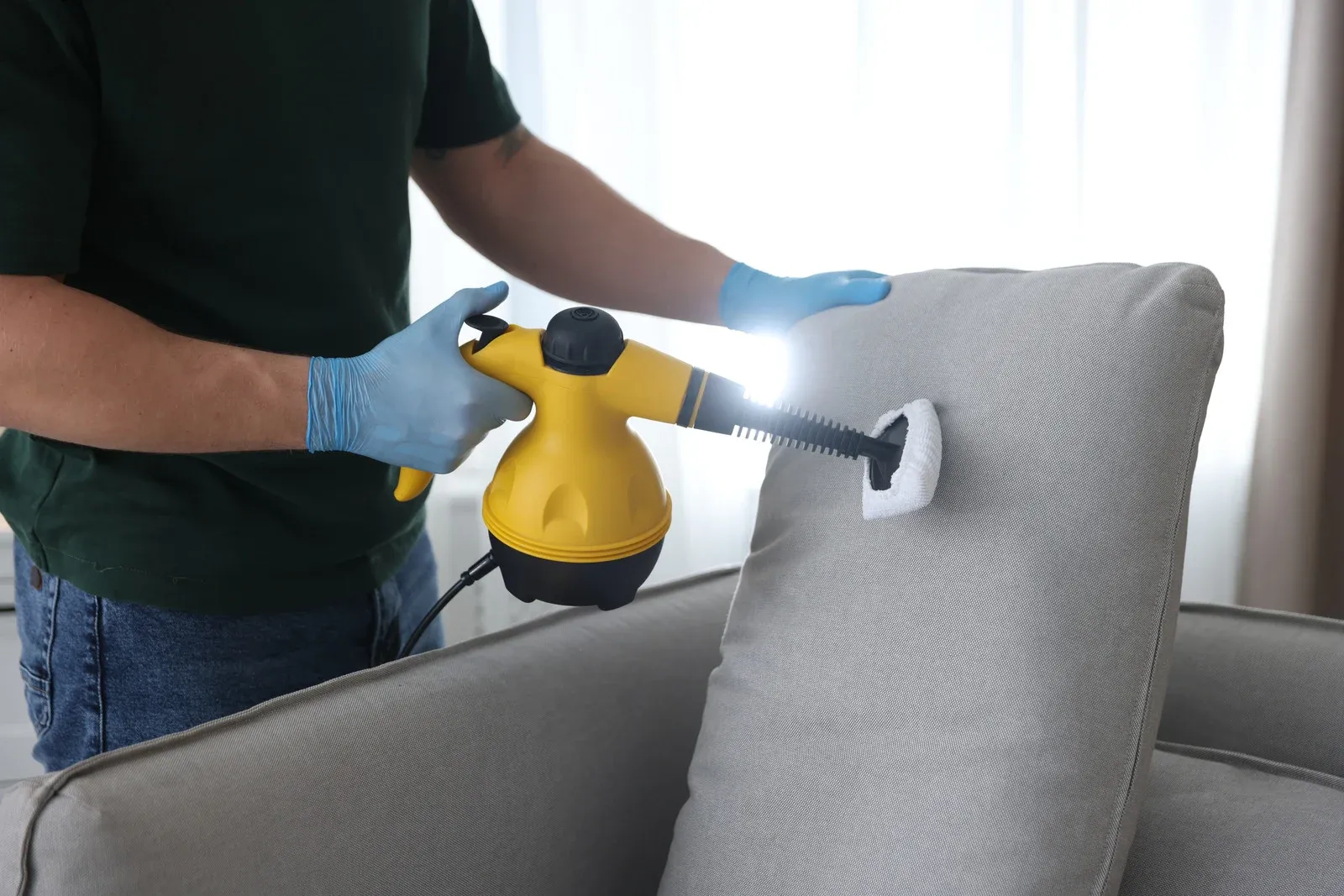
Sofas are among the most frequently used pieces of furniture in any home. They provide a place to relax after a long day, gather with family, host guests, and unwind in comfort. Despite their central role in daily life, sofa cushions and upholstery are often overlooked when it comes to regular cleaning. Unlike hard surfaces, upholstery fabrics absorb body oils, dust, allergens, food particles, and airborne pollutants. Over time, this build-up affects not only appearance but also hygiene and indoor air quality. Understanding how often to clean sofa cushions and upholstery helps maintain freshness, extend furniture lifespan, and support a healthier living environment. The ideal cleaning schedule depends on several factors, including household size, pets, allergies, and lifestyle habits. Establishing a structured approach ensures upholstery remains comfortable and well-maintained throughout the year.
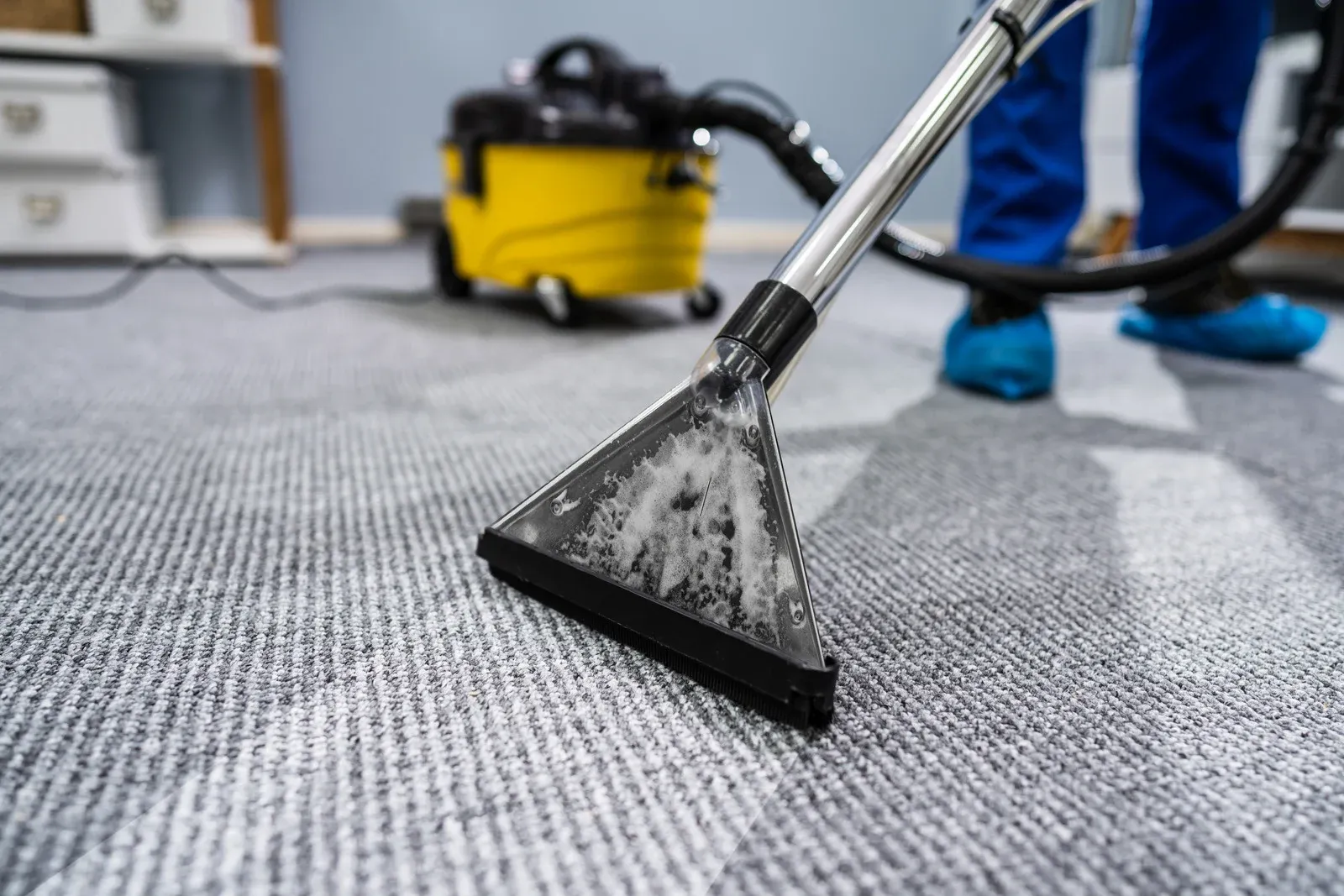
For many households, carpets provide warmth, comfort, and a softer living environment. They reduce noise, add insulation, and enhance the overall feel of a home. However, carpets also act as filters, trapping airborne particles that settle deep within their fibres. While this can temporarily remove allergens from circulation, those particles do not disappear. Over time, they accumulate and may contribute to allergy symptoms. In areas like Sevenoaks and across Kent, seasonal pollen, damp conditions, and everyday indoor dust can combine to create uncomfortable living environments for allergy sufferers. Understanding how carpets influence indoor air quality — and how professional cleaning can help — is key to maintaining a healthier home.

Pets bring comfort, companionship, and warmth into a home. However, they also bring fur. Pet hair has a way of settling deep into carpets, clinging to upholstery, and spreading throughout living spaces. While shedding is a natural process, unmanaged pet hair can affect cleanliness, indoor air quality, and the overall feel of your home. In households across the UK, especially in areas like Sevenoaks and Kent where pets are part of family life, managing pet hair is an ongoing task. With the right approach, it is possible to keep carpets and sofas looking fresh while maintaining a comfortable environment for both pets and people. Understanding how pet hair behaves — and how to remove it effectively — makes routine maintenance far more manageable.
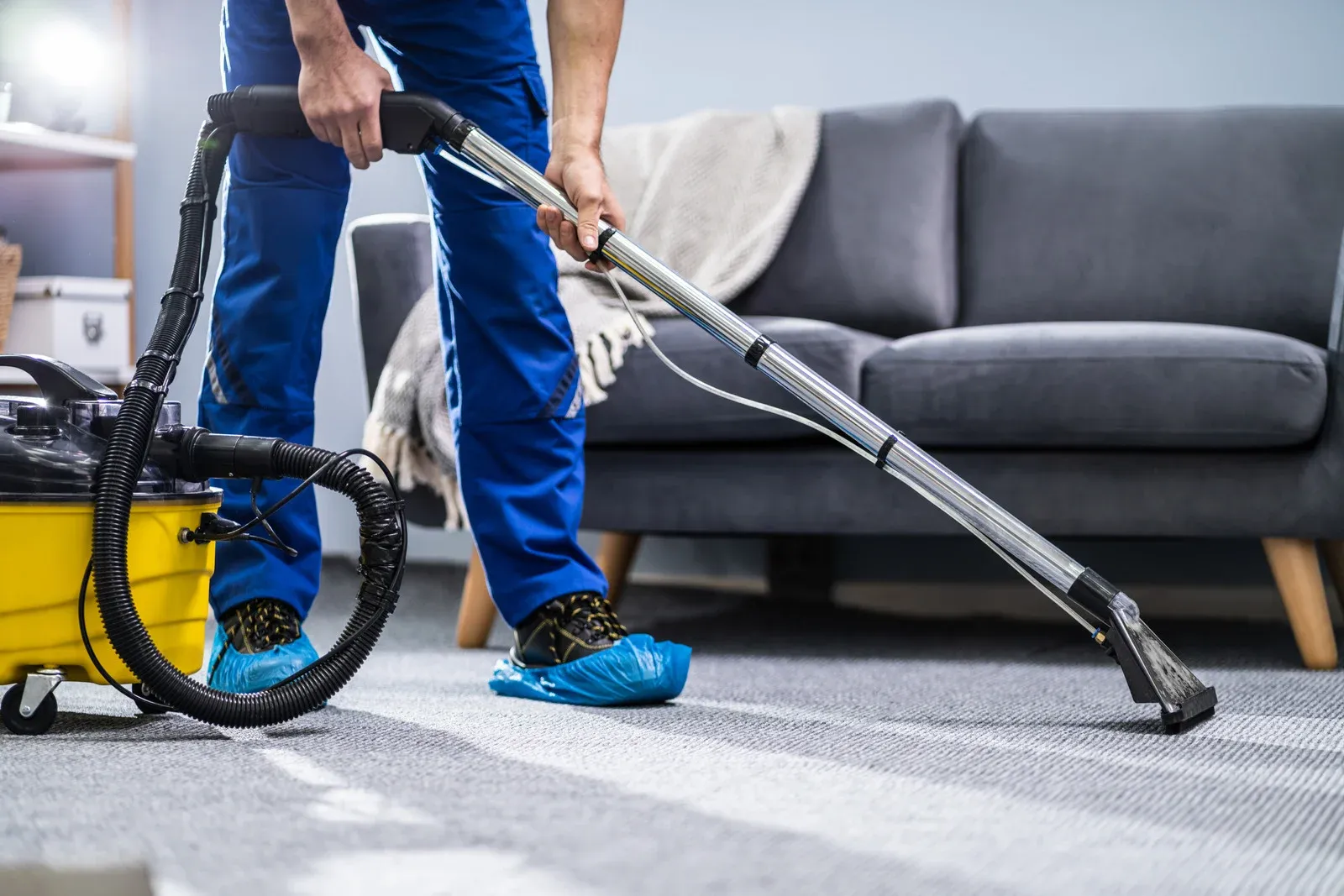
Carpets are one of the most used surfaces in any home. They soften rooms, absorb sound, provide warmth underfoot, and contribute significantly to overall comfort. Yet despite their importance, carpets are often cleaned far less frequently than they should be. Because dirt settles gradually and fibres hide debris well, carpets can appear clean while holding dust, allergens, and residues deep within the pile. Understanding how often carpets should be cleaned depends on more than appearance alone. Household size, pets, lifestyle, and even local weather conditions all influence the correct schedule. Establishing a consistent cleaning routine not only improves hygiene but also protects the lifespan and performance of your flooring. This guide outlines a practical cleaning schedule to help homeowners maintain fresh, healthy carpets throughout the year.
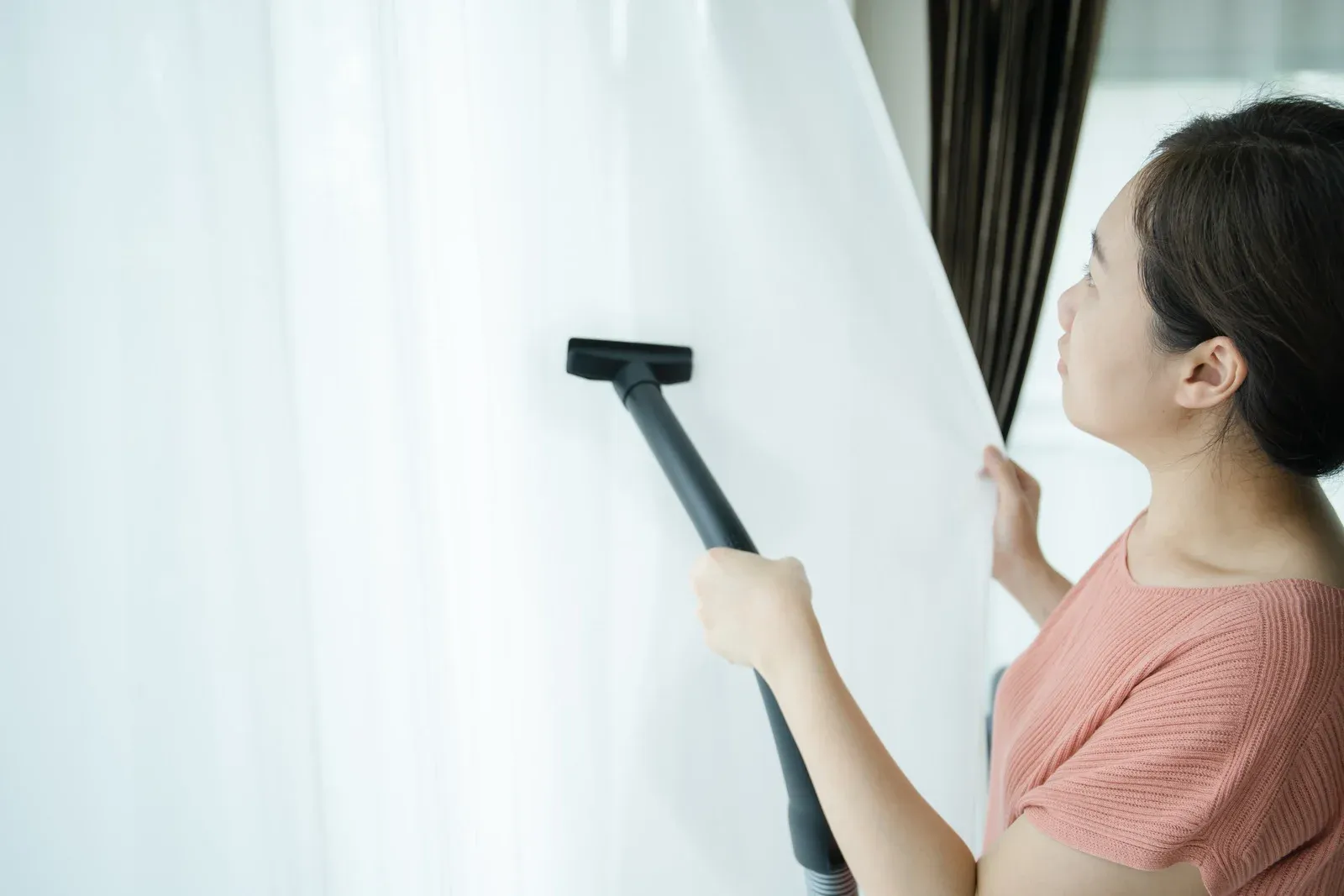
Relaxation at home is often associated with soft lighting, quiet spaces, and comfortable furniture. Yet one of the most influential factors in how relaxed a home feels is frequently overlooked: the condition of the fabrics within it. Carpets, upholstery, curtains, rugs, and mattresses quietly shape the atmosphere of a living space, affecting how it smells, feels, and even how the body responds to rest. While clutter and noise are obvious stressors, unclean fabrics create subtler discomforts that accumulate over time. Understanding how clean fabrics influence relaxation helps homeowners create environments that support calm, comfort, and mental well-being on a daily basis.
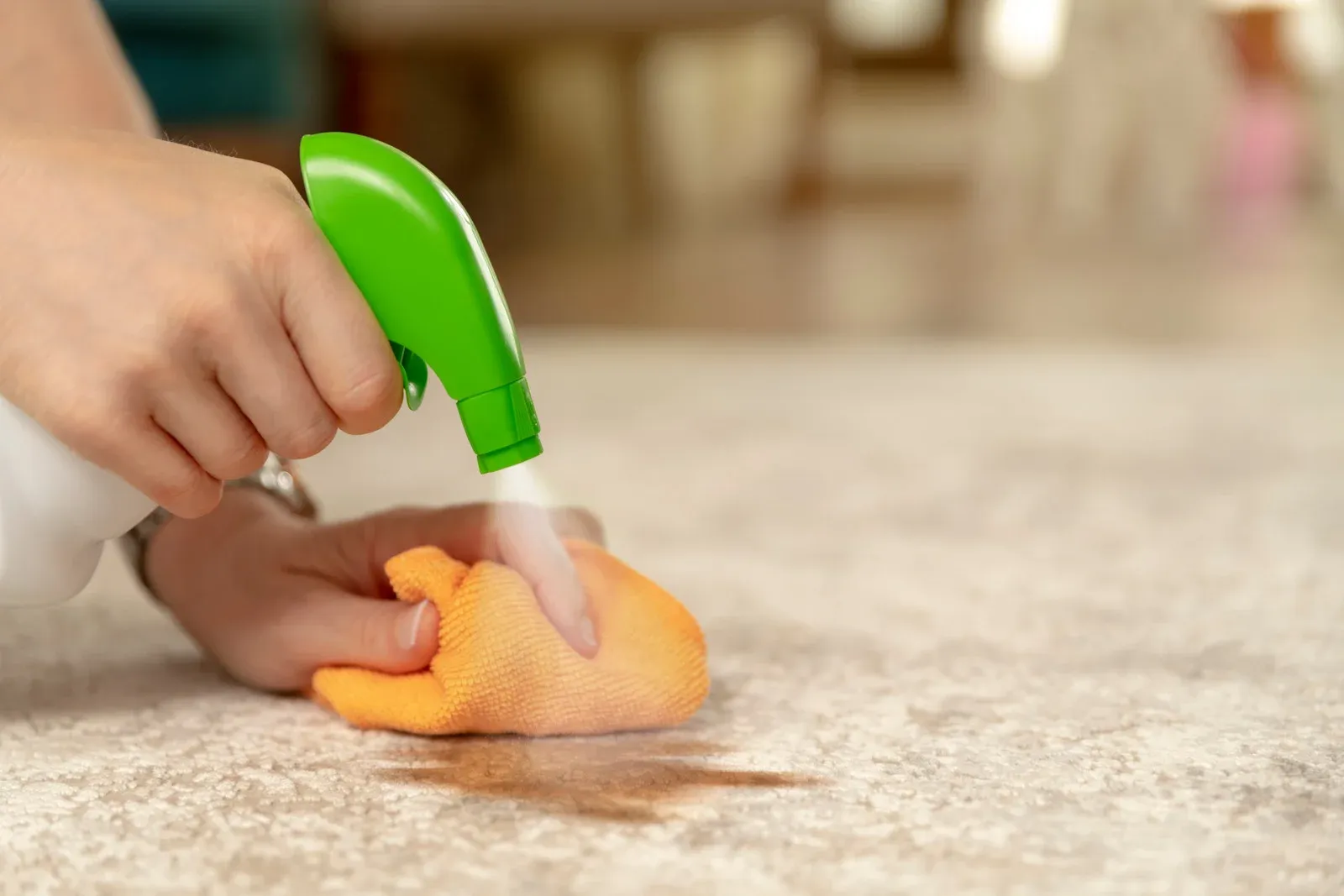
Most people take pride in keeping their homes clean. Floors are vacuumed, surfaces are wiped, and clutter is kept under control. At a glance, everything may look tidy and well cared for. However, true cleanliness goes far beyond what’s visible on the surface. Many areas and materials in the home quietly collect dirt, moisture, and contaminants that routine cleaning simply doesn’t address. Over time, these overlooked elements can affect comfort, hygiene, indoor air quality, and even the lifespan of furnishings. Understanding what is commonly missed during household cleaning helps homeowners move from surface-level tidiness to a genuinely clean and healthy living environment.
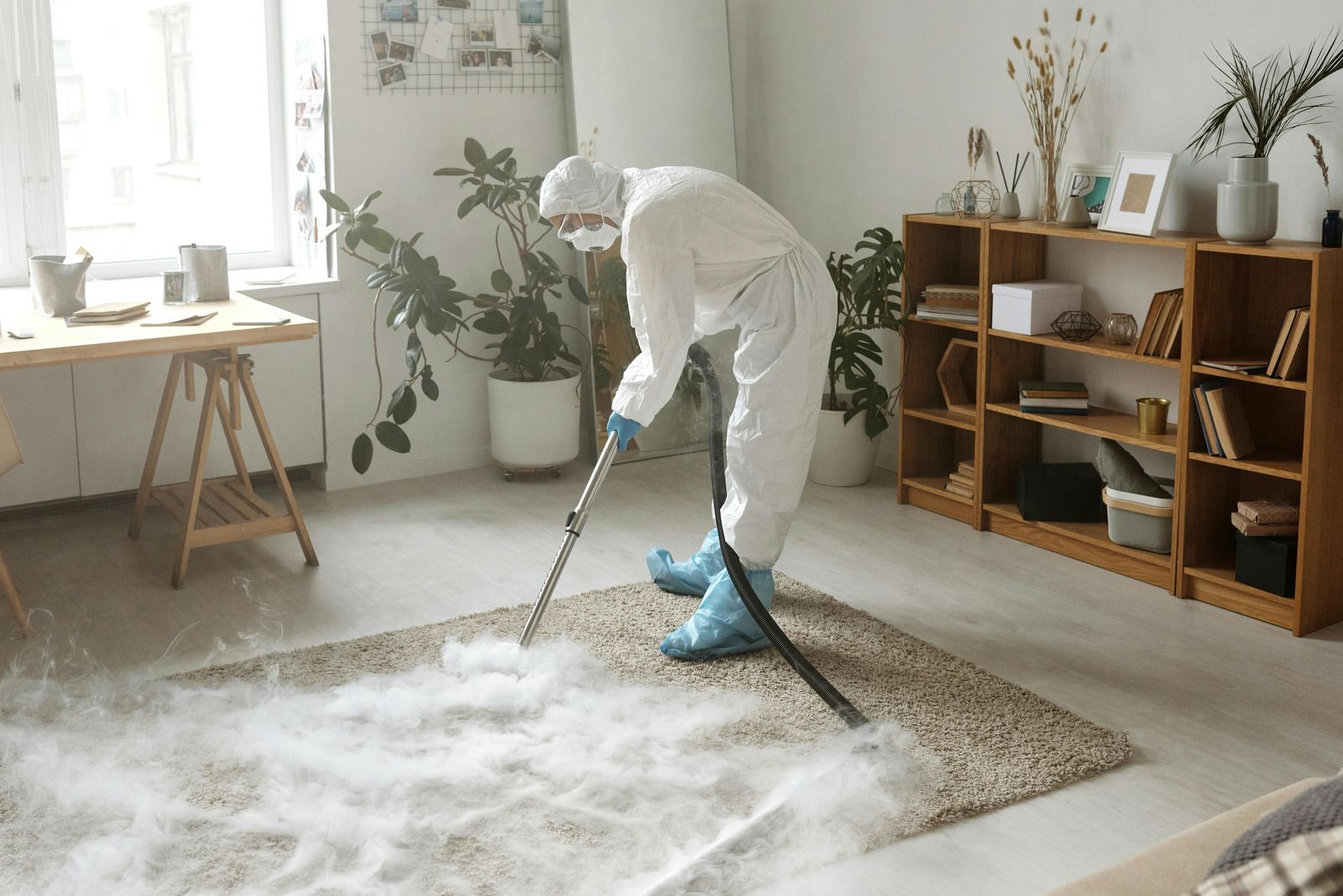
Keeping carpets, upholstery, and curtains clean is essential for a healthy and comfortable home. However, many homeowners don’t realise that how fabrics are cleaned matters just as much as how often they are cleaned. Improper cleaning methods can quietly damage fibres, weaken fabric structure, and significantly shorten the lifespan of soft furnishings. In UK homes, where humidity, daily use, and environmental pollutants place constant stress on fabrics, the effects of improper cleaning are often accelerated. Understanding these risks helps homeowners protect their interiors and make smarter long-term care decisions.
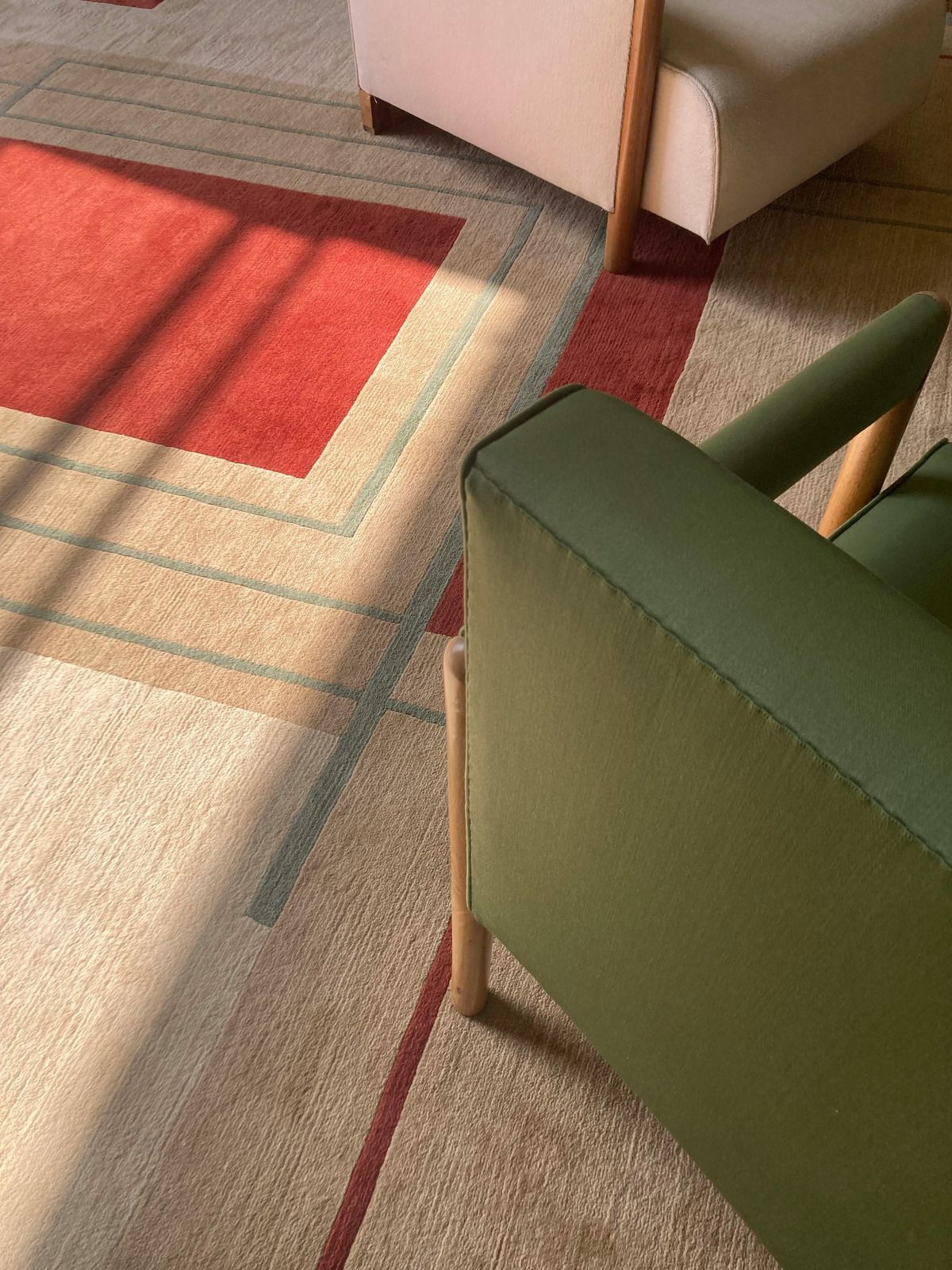
Moving furniture is a normal part of everyday life. Whether it’s rearranging a living room, deep cleaning, redecorating, or preparing for guests, furniture is constantly being shifted across carpets and upholstery. While these movements may seem harmless, they can quietly affect the condition of your soft furnishings over time. In UK homes, where carpets and upholstered furniture are heavily used and humidity levels remain relatively high, the impact of moving furniture is often underestimated. Professional cleaners have seen how repeated furniture movement contributes to hidden wear, fibre damage, and uneven ageing in both carpets and upholstery. Understanding these effects helps homeowners protect their interiors and extend the life of their furnishings.