Carpet Cleaning and Allergies: How Professional Service Helps
For many households, carpets provide warmth, comfort, and a softer living environment. They reduce noise, add insulation, and enhance the overall feel of a home. However, carpets also act as filters, trapping airborne particles that settle deep within their fibres. While this can temporarily remove allergens from circulation, those particles do not disappear. Over time, they accumulate and may contribute to allergy symptoms.
In areas like Sevenoaks and across Kent, seasonal pollen, damp conditions, and everyday indoor dust can combine to create uncomfortable living environments for allergy sufferers. Understanding how carpets influence indoor air quality — and how professional cleaning can help — is key to maintaining a healthier home.
How Carpets Trap Allergens
Every day, microscopic particles enter the home. Pollen attaches to clothing, pet dander settles from the air, dust mites thrive in soft furnishings, and outdoor pollutants are tracked in on shoes. Carpets capture much of this material within their fibres. Initially, this trapping effect can prevent allergens from circulating freely. However, as build-up increases, normal foot traffic and movement disturb these particles, releasing them back into the air. Vacuuming removes surface debris, but deeper contaminants often remain embedded within the pile and backing. Over time, this hidden accumulation may aggravate respiratory sensitivities, particularly for individuals prone to hay fever, asthma, or dust allergies.
Common Allergy Triggers Found in Carpets
Several common allergens are frequently present in carpeted homes: Dust mites are one of the most significant triggers. These microscopic organisms thrive in warm, humid environments and feed on shed skin cells. Carpets provide an ideal habitat, especially in bedrooms and living areas. Pet dander, even in homes where pets are carefully groomed, can settle deep into fibres. These tiny skin particles are lightweight and easily inhaled.
Pollen carried indoors during spring and summer months often becomes trapped in carpeting, prolonging exposure long after outdoor levels decrease. Mould spores may also develop in carpets exposed to excess moisture, particularly in damp climates. Each of these allergens can contribute to sneezing, congestion, itchy eyes, and other uncomfortable symptoms.
Why Regular Vacuuming Isn’t Always Enough
Routine vacuuming is essential for maintaining carpets, but it has limitations. Even high-quality domestic vacuum cleaners primarily address surface-level debris. Fine particles often settle deeper than standard suction can reach. Additionally, vacuuming alone does not eliminate dust mite waste, embedded oils, or bacteria that may contribute to irritation. In some cases, poorly maintained vacuum filters can even recirculate fine particles back into the air. While frequent vacuuming reduces visible dirt, it cannot replace the benefits of periodic professional deep cleaning.
How Professional Carpet Cleaning Reduces Allergens
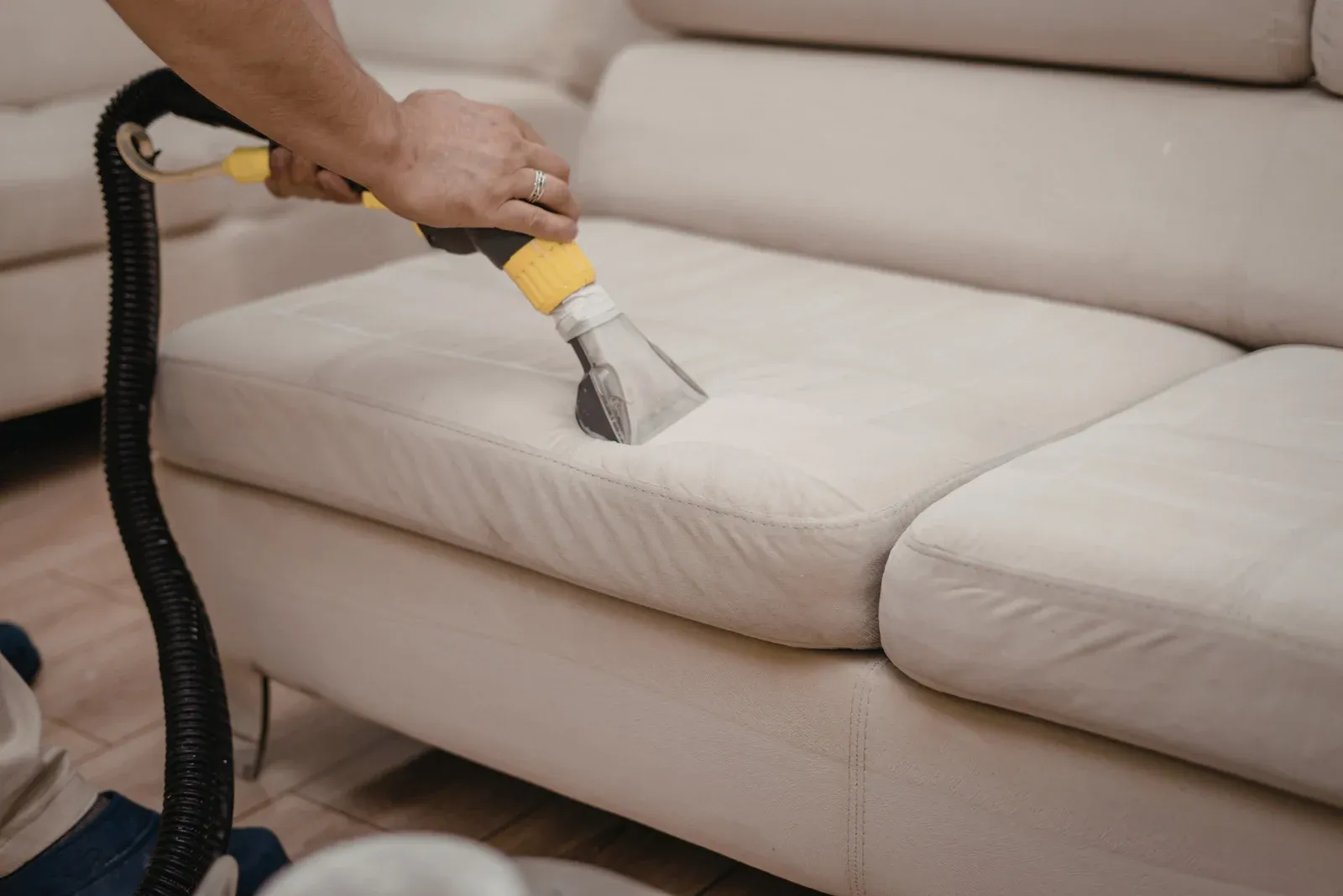
Professional carpet cleaning methods, particularly hot water extraction, reach beneath the surface of the fibres. This process injects heated cleaning solution into the carpet and then extracts it along with loosened dirt, allergens, and residues. The combination of heat, agitation, and powerful suction removes deeply embedded contaminants that routine cleaning leaves behind. This significantly reduces allergen concentration within the carpet. By removing accumulated dust mite debris, pet dander, and trapped pollen, professional cleaning helps improve overall indoor air quality. Many homeowners notice fresher air and reduced allergy symptoms following a thorough deep clean.
The Importance of Moisture Control
In damp environments, moisture trapped in carpets can create ideal conditions for mould growth. Even minor spills or high humidity levels may contribute to hidden dampness within the carpet underlay. Professional cleaning services use equipment designed to extract moisture efficiently, reducing drying times and limiting the risk of mould development. Proper drying techniques are essential to ensure carpets remain hygienic rather than becoming a source of additional allergens. Managing moisture is particularly important in UK homes where seasonal rainfall and indoor humidity can fluctuate.
Bedrooms and Allergy Management
Bedrooms deserve special attention when managing allergies. Carpets in sleeping areas accumulate allergens throughout the day and night. Because individuals spend extended hours in this space, exposure can have a direct impact on sleep quality and respiratory comfort.
Professional carpet cleaning in bedrooms reduces allergen levels where they matter most. A cleaner sleep environment supports deeper rest and fewer nighttime disturbances related to congestion or irritation. Regular maintenance in these areas can make a noticeable difference in comfort.
How Often Should Allergy-Prone Homes Schedule Cleaning?
For households without significant allergy concerns, professional carpet cleaning once or twice per year is typically sufficient. However, allergy-sensitive individuals may benefit from more frequent service. Scheduling professional cleaning every three to six months helps maintain lower allergen levels. Homes with pets or high foot traffic may require additional attention. A tailored schedule based on household needs ensures consistent improvement in indoor air quality.
Supporting Allergy Control Between Professional Visits
Between professional cleanings, consistent daily habits help maintain lower allergen levels. Vacuuming with a HEPA-filter machine, removing shoes indoors, and using quality doormats reduce debris entering the home. Maintaining good ventilation and balanced humidity further limits dust mites and airborne particles, supporting cleaner carpets year-round.
Washing pet bedding regularly and grooming pets frequently can also minimise dander settling into fibres. Rotating furniture occasionally prevents excessive dust build-up in hidden areas. Using allergen-reducing sprays designed for carpets may provide additional support between deep cleans. These simple but consistent actions help extend the benefits of professional carpet cleaning and maintain a healthier indoor environment.
The Long-Term Health and Comfort Benefits
Reducing allergens within carpets contributes not only to immediate symptom relief but also to long-term well-being. Cleaner carpets support healthier breathing, reduce irritation, and create a more comfortable living space. Families often report fewer allergy flare-ups and improved overall indoor freshness after deep cleaning services. While carpets will continue to trap airborne particles, regular professional maintenance prevents build-up from reaching problematic levels.
Over time, maintaining lower allergen levels can ease ongoing respiratory strain, particularly for children and older adults who may be more sensitive to indoor air quality. A consistently clean environment also reduces the likelihood of persistent odours and hidden bacterial growth. A proactive approach to carpet care creates a healthier home environment.
Professional Carpet Cleaning in Sevenoaks and Kent
At Sevenoaks Carpet Cleaning & Upholstery Cleaning, we provide professional deep cleaning services designed to remove embedded dirt and allergens from carpets across Sevenoaks and the surrounding Kent area. With over 25 years of experience, our careful cleaning methods focus on thorough extraction, effective drying, and restoring freshness to every room.
For households affected by allergies, maintaining clean carpets can significantly improve indoor comfort. By combining routine care with periodic professional service, homeowners can create a healthier, more breathable living environment where both comfort and cleanliness are prioritised.
If allergies are affecting your home life, professional carpet cleaning may be an important step toward improved well-being and lasting freshness.