Why Improper Cleaning Can Shorten Fabric Lifespan
Keeping carpets, upholstery, and curtains clean is essential for a healthy and comfortable home. However, many homeowners don’t realise that how fabrics are cleaned matters just as much as how often they are cleaned. Improper cleaning methods can quietly damage fibres, weaken fabric structure, and significantly shorten the lifespan of soft furnishings.
In UK homes, where humidity, daily use, and environmental pollutants place constant stress on fabrics, the effects of improper cleaning are often accelerated. Understanding these risks helps homeowners protect their interiors and make smarter long-term care decisions.
Fabric Is More Delicate Than It Appears
Soft furnishings may feel durable, but their fibres are carefully engineered to balance strength, flexibility, and comfort. Carpets, upholstery, and curtains are designed to withstand regular use, not aggressive or incorrect cleaning techniques.
When cleaning methods don’t match the fabric type, fibres can weaken, fray, or lose elasticity. Damage often occurs beneath the surface, meaning fabrics may look acceptable initially but deteriorate faster over time.
Over-Wetting and Moisture Damage
One of the most common mistakes in improper cleaning is using too much water. Excess moisture penetrates deep into fibres, padding, and backing materials, where it becomes difficult to remove.
In the UK’s damp climate, trapped moisture dries slowly, leading to fibre breakdown, odours, and long-term structural damage. Over-wetting also weakens adhesives and backing materials, especially in carpets and rugs, reducing their overall lifespan.
Residue Build-Up from Incorrect Products
Using the wrong cleaning solutions can leave sticky residues inside fabrics. These residues attract dirt more quickly, causing carpets and upholstery to become dirty again soon after cleaning.
Over time, residue build-up hardens fibres, making them stiff and brittle. This reduces softness, dulls appearance, and accelerates wear, especially in high-use areas such as living rooms and hallways.
Excessive Scrubbing and Fibre Abrasion
Aggressive scrubbing is another major cause of fabric damage. While it may seem effective for removing stains, excessive friction weakens fibres and causes surface fuzzing or thinning.
On carpets, harsh scrubbing can distort pile direction and create permanent texture changes. Upholstery fabrics may pill, stretch, or tear, particularly on armrests and seating areas that already experience frequent contact.
Using the Wrong Cleaning Method
Different fabrics require different cleaning approaches. Applying a one-size-fits-all method often leads to damage. Delicate materials such as wool, silk, linen, or blended fibres react poorly to harsh chemicals or high agitation.
Improper methods can cause shrinkage, colour bleeding, or loss of fabric structure. Once this damage occurs, it is often irreversible, leaving fabrics permanently altered.
Damage to Fabric Backing and Padding
Improper cleaning doesn’t just affect surface fibres. Carpet backing and upholstery padding are highly sensitive to moisture and chemical exposure. When these layers are compromised, fabrics lose support and resilience.
Carpets may feel flat underfoot, and upholstery cushions may lose shape or firmness. Once padding breaks down, surface fabrics wear faster and replacement becomes more likely.
Colour Fading and Discolouration
Incorrect cleaning products can strip dyes from fabrics, causing uneven fading or blotchy discolouration. This is particularly common when strong chemicals are used without testing or dilution.
Repeated exposure to unsuitable cleaners weakens colour bonds within fibres. Over time, fabrics lose vibrancy and appear aged, even if they are structurally intact.
Shrinkage and Texture Changes
Some fabrics are sensitive to temperature and moisture levels. Improper cleaning can cause fibres to contract or stiffen, altering texture and fit.
Curtains may lose their drape, upholstery covers may tighten unevenly, and rugs may curl or warp. These changes affect both appearance and functionality, reducing fabric lifespan.
Accelerated Wear in High-Traffic Areas
Improper cleaning makes fabrics more vulnerable to everyday wear. Residues, weakened fibres, and moisture retention increase friction during use, accelerating deterioration.
High-traffic areas show damage first, but over time, the entire fabric suffers. What could have lasted years with proper care may require early replacement due to avoidable damage.
The Role of Professional Cleaning in Fabric Longevity
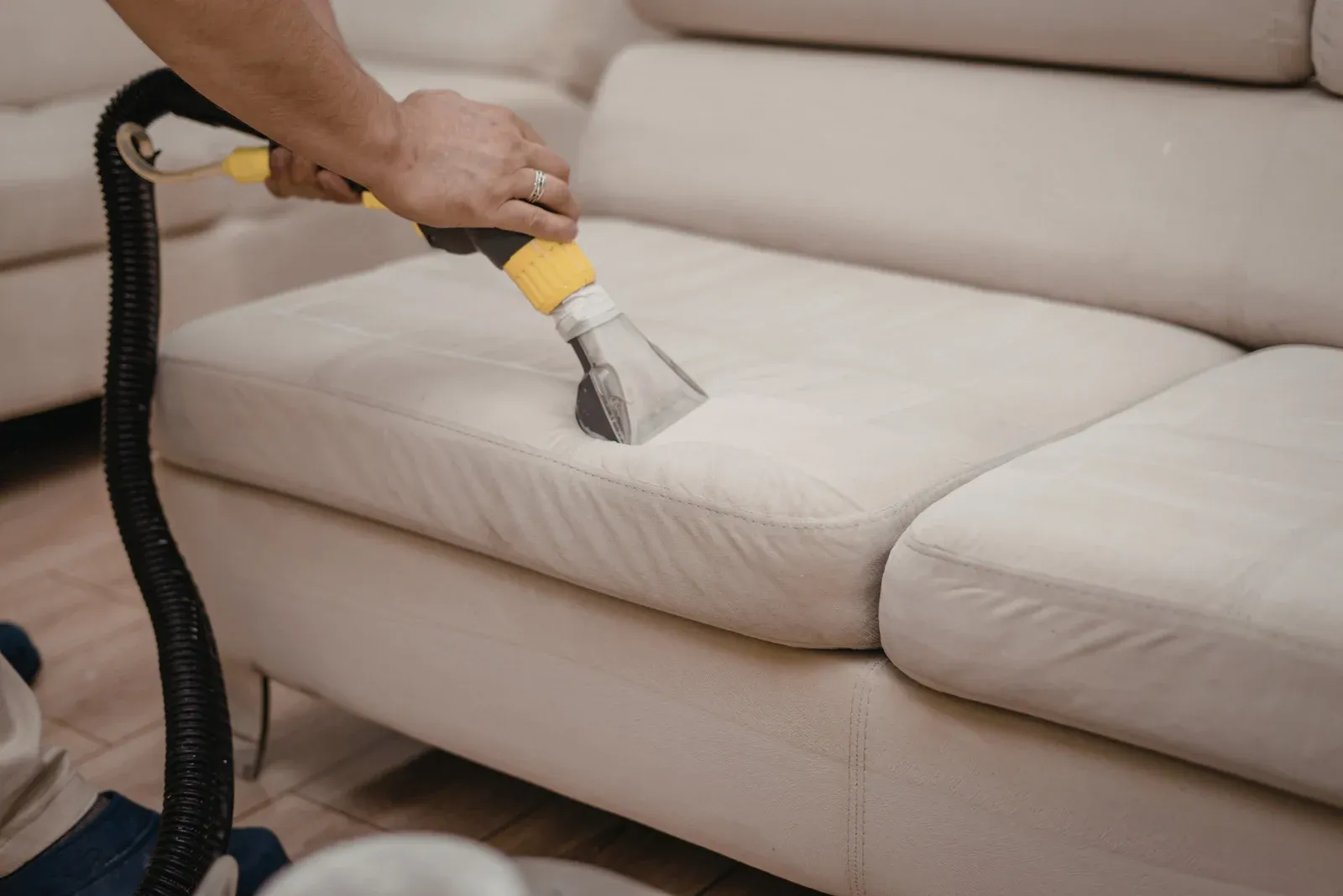
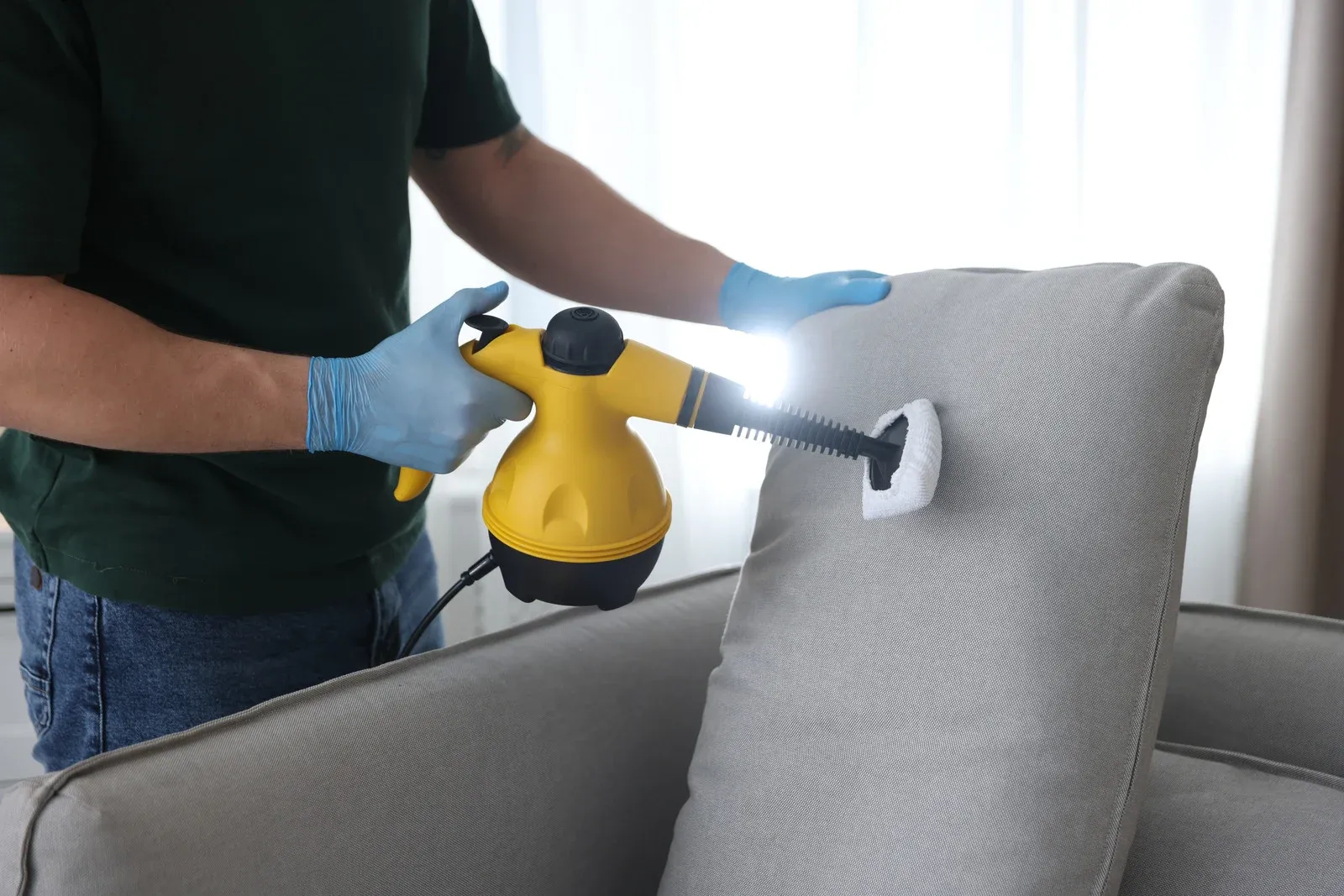
DIY cleaning methods focus on visible results rather than fabric health. Household equipment lacks the ability to control moisture, extract residues, or adapt techniques to specific materials.
While DIY cleaning may seem cost-effective, repeated improper cleaning often leads to higher long-term costs due to premature wear and replacement.
Preventing Damage Through Correct Cleaning Practices
Proper cleaning extends fabric lifespan by maintaining fibre strength and flexibility. Regular professional cleaning removes abrasive particles before they cause damage and ensures residues don’t build up over time.
Balanced care routines that combine light maintenance with periodic deep cleaning provide the best protection for carpets, upholstery, and curtains.
Long-Term Fabric Care in UK Homes
In the UK’s climate, fabrics face constant challenges from humidity, indoor pollutants, and daily use. Improper cleaning adds unnecessary stress, accelerating deterioration that could otherwise be avoided.
Understanding how cleaning methods impact fabric health allows homeowners to move from reactive cleaning to preventative care, preserving comfort and value.
Protect Your Fabrics with Expert Care
Improper cleaning can quietly shorten the life of your carpets, upholstery, and curtains, even when damage isn’t immediately visible. With over 25 years of experience, Sevenoaks Carpet Cleaning & Upholstery Cleaning understands how to clean fabrics safely and effectively while preserving their structure and appearance.
Our professional approach focuses on correct methods, controlled moisture, and fabric-specific solutions designed for UK homes. By choosing expert care, homeowners can avoid unnecessary wear, maintain comfort, and extend the life of their soft furnishings.
If your fabrics look tired, feel rough, or seem to age faster than expected, professional cleaning can help restore balance and protect your investment for years to come.