Top Tips for Managing Pet Hair in Carpets & Sofas
Pets bring comfort, companionship, and warmth into a home. However, they also bring fur. Pet hair has a way of settling deep into carpets, clinging to upholstery, and spreading throughout living spaces. While shedding is a natural process, unmanaged pet hair can affect cleanliness, indoor air quality, and the overall feel of your home.
In households across the UK, especially in areas like Sevenoaks and Kent where pets are part of family life, managing pet hair is an ongoing task. With the right approach, it is possible to keep carpets and sofas looking fresh while maintaining a comfortable environment for both pets and people. Understanding how pet hair behaves — and how to remove it effectively — makes routine maintenance far more manageable.
Why Pet Hair Builds Up So Quickly
Pet hair is lightweight and easily carried by air movement. It settles into carpet fibres, weaves into fabric upholstery, and collects along skirting boards and corners. Unlike dust, pet hair often intertwines with fibres, making it more difficult to remove with simple vacuuming alone. Static electricity can also cause fur to cling stubbornly to upholstery. Sofas and fabric chairs tend to trap hair where pets rest, while carpets in high-traffic areas accumulate hair carried from one room to another. Regular attention prevents build-up from becoming overwhelming.
Vacuuming the Right Way
Vacuuming remains the foundation of pet hair control, but technique matters. For homes with pets, vacuuming at least two to three times per week is recommended. High-shedding breeds may require daily attention in main living areas. Using a vacuum cleaner designed for pet hair is particularly effective. These models often include motorised brush heads that lift embedded fur from carpet fibres. Strong suction combined with rotating brushes helps loosen hair that standard attachments might miss. Moving the vacuum slowly across surfaces allows the suction to work more thoroughly. Vacuuming in multiple directions also improves results by lifting hair from different angles.
Use Upholstery Attachments Effectively
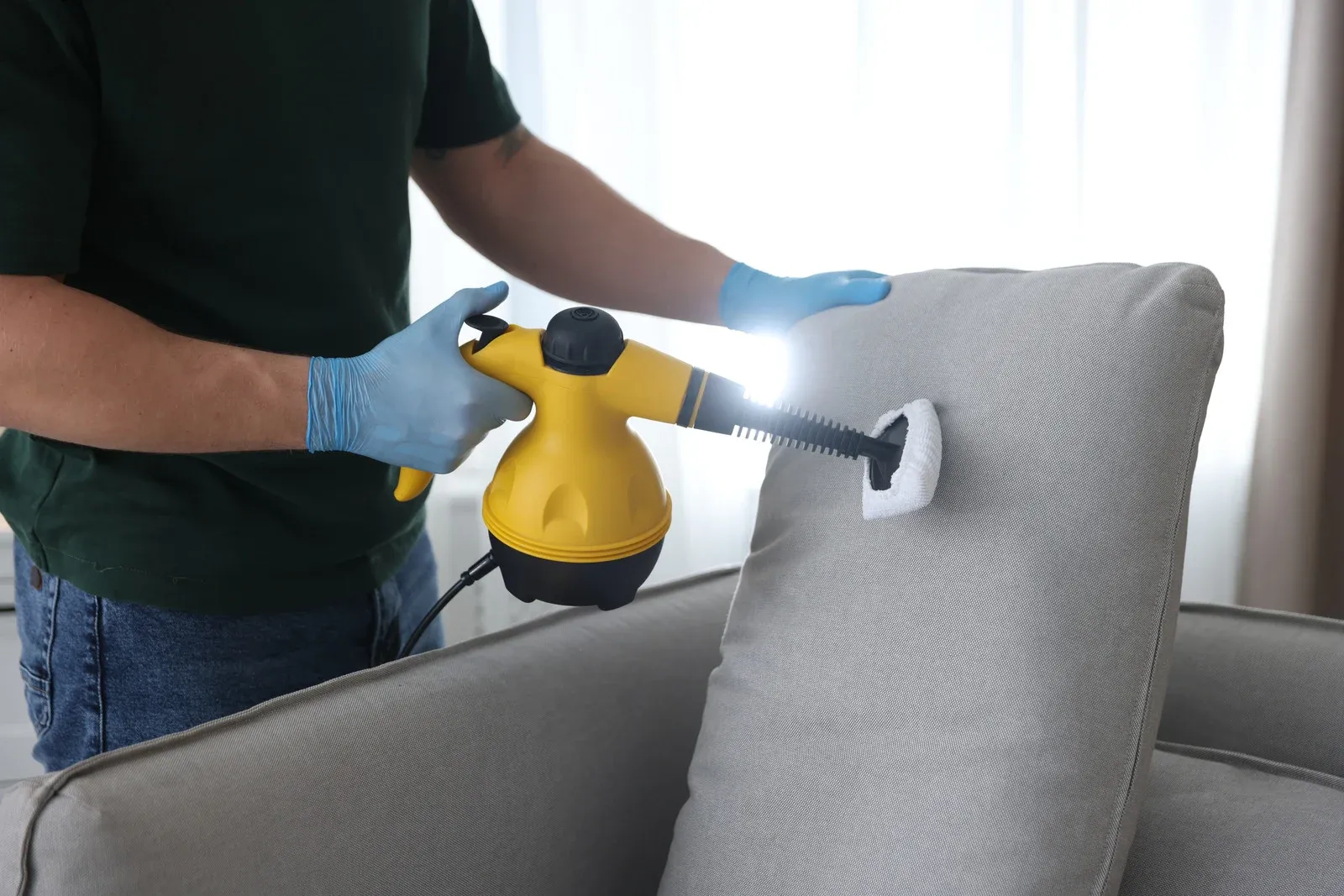
Sofas and armchairs require a slightly different approach. Standard vacuum heads may not reach into seams or textured fabrics. Upholstery attachments with smaller nozzles or brush tools are more suitable. Work in short strokes and pay attention to creases and corners where hair tends to gather. Removing cushions and vacuuming underneath them prevents hidden build-up. Frequent light cleaning is more effective than waiting for visible accumulation.
Rubber Tools and Simple Household Methods
In addition to vacuuming, rubber tools can be surprisingly effective for lifting pet hair. Rubber gloves or specialised rubber brushes create friction that draws hair away from fabric surfaces. Lightly dampening a rubber glove and running it across upholstery causes hair to clump together, making it easier to collect. This method works particularly well for sofas and fabric-covered chairs. Lint rollers are also useful for quick touch-ups, especially before guests arrive. However, they are best used as a supplement rather than a replacement for deeper cleaning.
Grooming Pets to Reduce Shedding
Managing pet hair indoors starts with reducing shedding at the source. Regular grooming removes loose fur before it settles into carpets and upholstery. Brushing pets outdoors or in a designated area limits the spread of hair throughout the home. Bathing pets according to breed recommendations also helps control excessive shedding.
Different coat types require different grooming routines. Short-haired breeds benefit from weekly brushing to remove loose undercoat, while long-haired or double-coated breeds may need brushing several times per week to prevent matting and heavy shedding. Using the correct grooming tools, such as deshedding brushes or undercoat rakes, makes the process far more effective. Seasonal shedding, particularly in spring and autumn, often increases fur loss, so adjusting grooming frequency during these periods can significantly reduce indoor build-up.
Establish Pet-Friendly Zones
Designating specific areas for pets can significantly reduce widespread hair distribution. Providing washable blankets or throws on favourite resting spots protects underlying upholstery. These coverings can be cleaned more easily and frequently than large furniture pieces. Encouraging pets to rest in certain rooms also limits the spread of hair across the entire home. Consistency in these routines helps maintain cleaner living areas.
Address Static and Fabric Choice
Static electricity contributes to hair clinging to upholstery. Using fabric sprays designed to reduce static can make cleaning easier. Maintaining balanced indoor humidity levels also helps reduce static build-up. When choosing new furniture, tightly woven fabrics or leather surfaces tend to attract less pet hair than textured or loosely woven materials. While replacing furniture may not always be practical, understanding fabric behaviour can guide future decisions.
Deep Cleaning for Embedded Hair
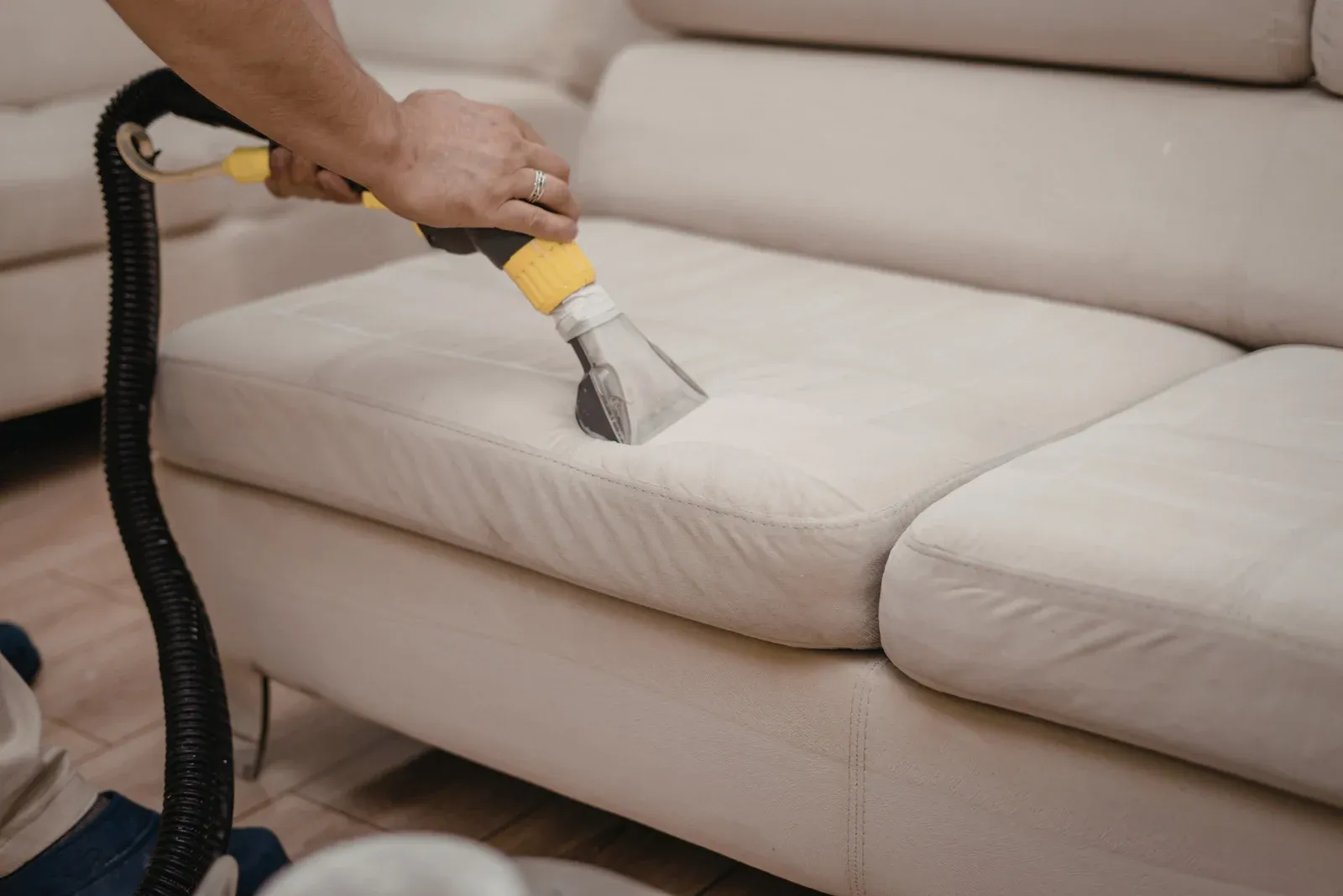
Despite regular vacuuming and maintenance, pet hair can become deeply embedded in carpet fibres and upholstery padding over time. This build-up often goes unnoticed until fabrics appear dull or begin to hold odours. Professional deep cleaning removes not only visible hair but also microscopic dander and allergens trapped within fibres. Hot water extraction methods reach beneath the surface, restoring texture and freshness. For pet-owning households, professional carpet and upholstery cleaning every three to six months is often beneficial.
Managing Odours Alongside Hair
Pet hair itself may not smell strongly, but it traps oils and environmental odours. Over time, these scents settle into soft furnishings. Routine cleaning reduces the combination of hair and absorbed odours. Promptly addressing accidents and moisture prevents lingering smells from becoming embedded in carpet underlay or upholstery foam. Using enzyme-based cleaners for minor incidents can help neutralise odours rather than simply masking them.
Good ventilation also plays an important role. Opening windows regularly and allowing fresh air to circulate helps disperse trapped smells. In some cases, professional deodorising treatments may be necessary to fully remove deeply absorbed odours, especially in high-traffic pet areas. Maintaining both cleanliness and freshness ensures the home feels comfortable rather than overwhelmed by pet-related odours.
Protecting Indoor Air Quality
Pet hair often carries dander, which can affect individuals sensitive to allergens. Even households without known allergies benefit from reducing airborne particles. Frequent vacuuming with HEPA-filtered machines captures finer particles, preventing redistribution into the air. Deep cleaning further removes contaminants trapped below the surface. Clean carpets and sofas contribute to a healthier indoor environment for both pets and family members.
Creating a Balanced Routine
Managing pet hair effectively requires consistency rather than occasional intensive effort. Combining regular vacuuming, grooming, protective coverings, and periodic professional cleaning creates a manageable system. Rather than viewing pet hair as an unavoidable frustration, approaching it with structured care helps maintain a comfortable living space. With thoughtful maintenance, homes can remain clean and inviting without compromising the joy pets bring.
Professional Support for Pet-Friendly Homes
At Sevenoaks Carpet Cleaning & Upholstery Cleaning, we understand the unique challenges pet owners face. Our professional deep cleaning services are designed to remove embedded hair, dander, and odours from carpets and upholstery throughout Sevenoaks and Kent. With over 25 years of experience, we help restore freshness and comfort while preserving the integrity of your furnishings. Managing pet hair is easier when supported by thorough professional care. A clean, well-maintained home allows both you and your pets to relax comfortably, knowing that hygiene and comfort are working together.