What Most People Miss When Cleaning Their Home
Most people take pride in keeping their homes clean. Floors are vacuumed, surfaces are wiped, and clutter is kept under control. At a glance, everything may look tidy and well cared for. However, true cleanliness goes far beyond what’s visible on the surface. Many areas and materials in the home quietly collect dirt, moisture, and contaminants that routine cleaning simply doesn’t address.
Over time, these overlooked elements can affect comfort, hygiene, indoor air quality, and even the lifespan of furnishings. Understanding what is commonly missed during household cleaning helps homeowners move from surface-level tidiness to a genuinely clean and healthy living environment.
Dirt That Settles Beneath the Surface
Vacuuming is one of the most common cleaning habits, but it mainly removes loose debris from the top layer of carpets and rugs. What many people miss is how much dirt becomes embedded deep within fibres over time. Foot traffic, furniture weight, and daily movement push particles downward, where standard vacuums can’t reach.
This hidden dirt acts like fine grit, gradually wearing fibres from the inside. Even carpets that look clean can feel flat, appear dull, and age faster due to this unseen abrasion.
Moisture Trapped Inside Soft Furnishings
Moisture is one of the most overlooked factors in home cleanliness. Everyday activities such as cooking, showering, drying clothes, and even breathing release moisture into the air. Soft furnishings like carpets, upholstery, and curtains naturally absorb this moisture.
Routine cleaning rarely removes trapped dampness. Without proper extraction, moisture can linger deep within fibres and padding, leading to musty odours, reduced fabric resilience, and an increased risk of bacteria and mould growth.
Upholstery Padding and Cushion Interiors
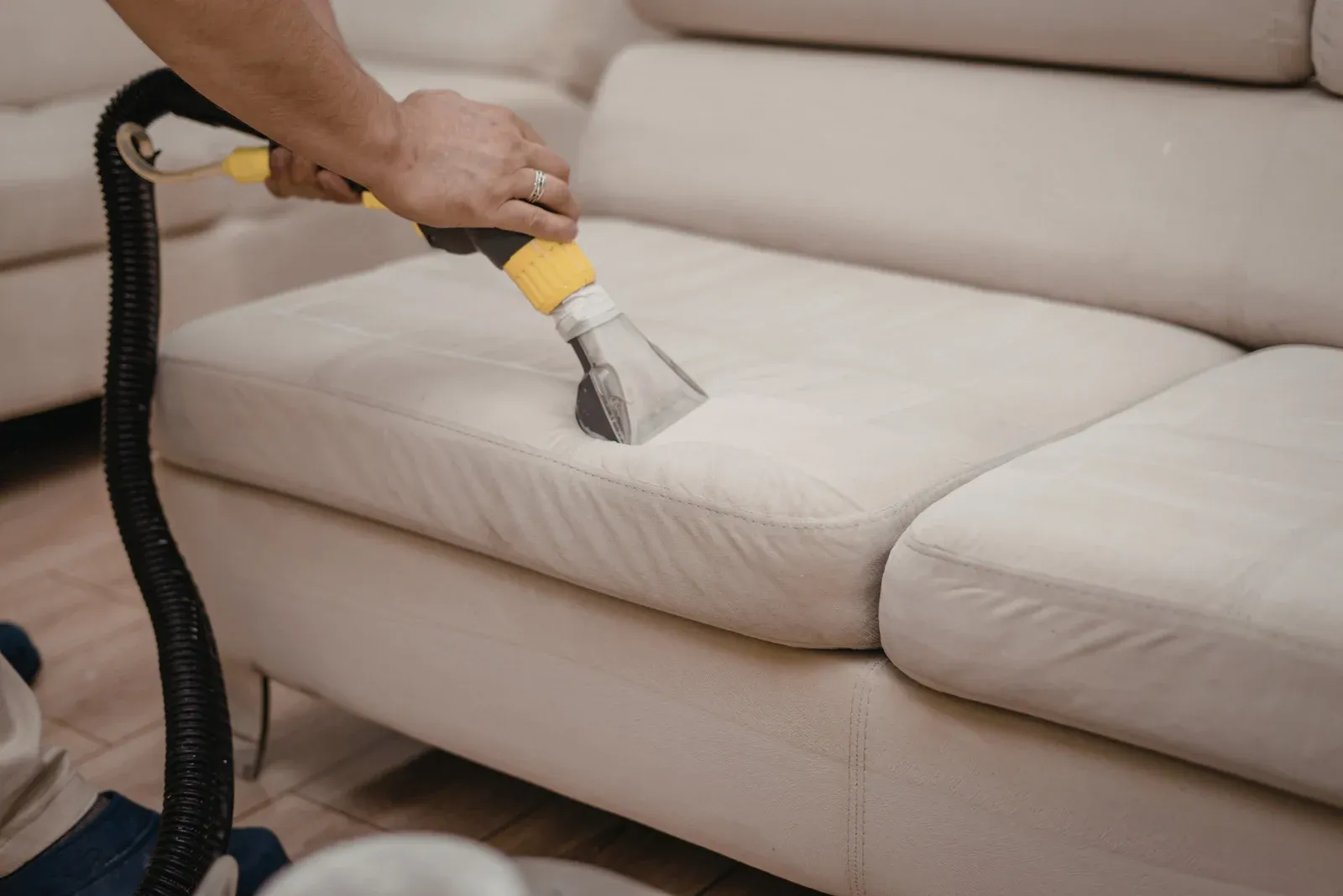
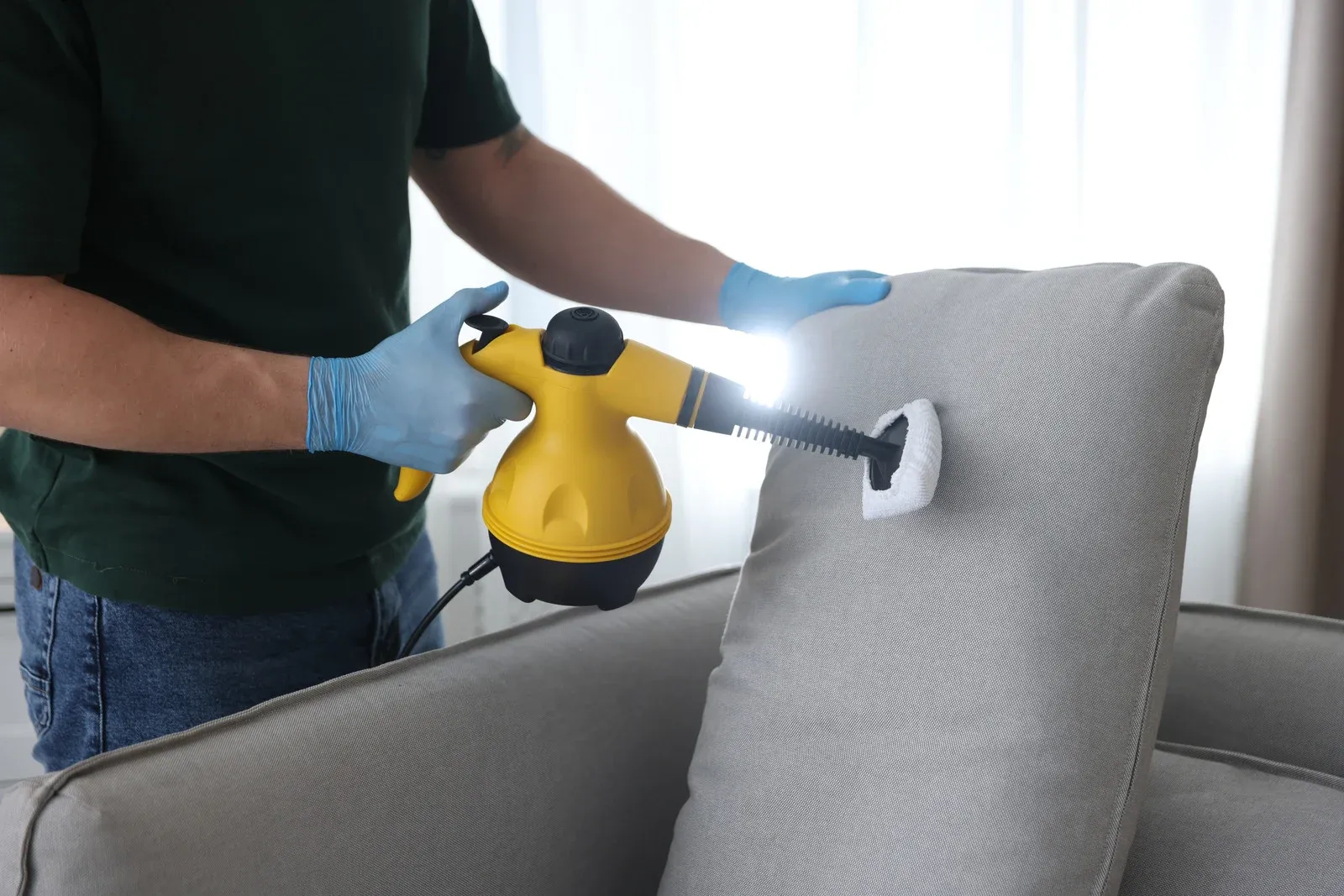
When cleaning sofas and chairs, most people focus on the fabric surface. What often gets missed is the padding beneath. Upholstery padding absorbs body oils, perspiration, and moisture over time, even when the surface appears clean.
Without deep cleaning, this internal build-up can cause upholstery to lose firmness, develop odours, and wear unevenly. Surface treatments alone cannot refresh the areas where most contamination actually accumulates.
Curtains and Vertical Fabrics
Curtains are frequently overlooked during regular cleaning routines. Because they don’t experience direct contact like carpets or sofas, they’re often assumed to stay clean longer. In reality, curtains act as large air filters, trapping dust, pollen, traffic pollution, and moisture from condensation.
Vacuuming or shaking curtains removes only surface dust. Deep within the folds, fine particles continue to build up, affecting air quality and fabric condition over time.
Areas Hidden by Furniture
Furniture placement creates hidden zones that rarely receive attention. Under sofas, beds, and cabinets, dust and debris settle undisturbed for months or even years. When furniture is eventually moved, these areas often reveal heavy build-up and discolouration.
What’s often missed is that dirt from these areas doesn’t stay put. It spreads into the surrounding carpet or upholstery, contributing to uneven wear and faster re-soiling after cleaning.
Residues Left Behind by Cleaning Products
Many household cleaning products leave behind residues that aren’t immediately visible. These residues can make surfaces feel clean initially but actually attract dirt faster afterward. On fabrics, residues harden fibres and reduce softness.
Over time, repeated use of unsuitable products can cause carpets and upholstery to look dull and feel stiff, even with frequent cleaning.
Allergens That Don’t Disappear
Dust mites, pollen, pet dander, and microscopic allergens are rarely removed by routine cleaning alone. These particles settle deep into fabrics, where they continue to circulate through the air when disturbed.
Homes may look clean but still trigger allergies or respiratory discomfort because the source of allergens hasn’t been fully addressed. This is especially common in bedrooms, living rooms, and areas with heavy fabric use.
Uneven Wear and Fabric Stress
Another commonly missed issue is how cleaning habits affect fabric wear. Focusing only on visible areas means high-use zones receive frequent attention while neglected areas continue to degrade unnoticed.
Over time, this leads to uneven texture, colour variation, and fabric thinning. Cleaning without considering overall fabric balance accelerates ageing instead of preserving it.
Odour Sources Below the Surface
Sprays and air fresheners mask smells but don’t remove their source. Odours often originate from moisture, oils, and bacteria trapped inside fibres and padding.
Without deep cleaning, odours return quickly, making it seem like the home never truly feels fresh. Addressing the root cause is essential for long-lasting results.
Mattresses and Sleep Surfaces
Mattresses are one of the most overlooked items in home cleaning. They absorb sweat, skin cells, and moisture night after night. Regular bedding changes help, but they don’t clean the mattress itself.
What’s missed is how much allergens and bacteria build up inside mattresses, affecting sleep quality and hygiene over time.
The Difference Between Clean and Healthy
A home can look clean while still harbouring contaminants that affect comfort and wellbeing. Surface-level cleaning improves appearance, but deeper issues remain unresolved without targeted care.
True cleanliness involves removing what can’t be seen—deep-seated dirt, moisture, allergens, and residues that influence how a home feels and functions.
Why Professional Cleaning Complements Home Care
Household cleaning plays an important role, but it has limitations. Professional cleaning addresses what routine methods miss by reaching deep into fibres and extracting contaminants thoroughly.
This doesn’t replace daily cleaning—it completes it. Together, they create a balanced approach that protects both appearance and fabric health.
Creating a More Thorough Cleaning Routine
Understanding what’s often missed allows homeowners to clean more effectively. Rotating furniture, ventilating regularly, avoiding residue-heavy products, and scheduling professional cleaning all help maintain a healthier home environment.
Rather than reacting to visible dirt or odours, proactive care preserves comfort and prevents long-term damage.
Professional Support for a Truly Clean Home
Many homes look clean on the surface while quietly holding onto dirt, moisture, and allergens beneath. Addressing these hidden issues requires more than routine cleaning alone.
With over 25 years of experience, Sevenoaks Carpet Cleaning & Upholstery Cleaning specialises in professional deep cleaning that targets what household methods miss. Our approach focuses on restoring fabric hygiene, removing embedded contaminants, and improving overall indoor comfort.
If your home feels less fresh than it should or your furnishings seem to age too quickly, professional cleaning can help create a cleaner, healthier living space that goes beyond appearances.