How Clean Fabrics Contribute to Better Relaxation
Relaxation at home is often associated with soft lighting, quiet spaces, and comfortable furniture. Yet one of the most influential factors in how relaxed a home feels is frequently overlooked: the condition of the fabrics within it. Carpets, upholstery, curtains, rugs, and mattresses quietly shape the atmosphere of a living space, affecting how it smells, feels, and even how the body responds to rest.
While clutter and noise are obvious stressors, unclean fabrics create subtler discomforts that accumulate over time. Understanding how clean fabrics influence relaxation helps homeowners create environments that support calm, comfort, and mental well-being on a daily basis.
The Connection Between Cleanliness and Mental Comfort
A clean environment has a direct impact on mental clarity and emotional balance. When surroundings feel fresh and orderly, the brain interprets the space as safe and comfortable. Fabrics play a major role in this perception because they dominate visual and tactile surfaces in the home.
Dull carpets, flattened upholstery, or musty curtains can create a subconscious sense of unease, even if everything appears tidy. Clean fabrics help remove these subtle stress triggers, allowing the mind to relax more easily.
How Smell Influences Relaxation
Scent is one of the strongest links between environment and emotion. Fabrics absorb odours from daily life, including cooking smells, pets, moisture, and outdoor pollutants. Over time, these odours settle deep within fibres, often going unnoticed until they affect how a room feels.
When fabrics are clean and odour-free, indoor air feels lighter and more breathable. This fresh environment supports relaxation by reducing sensory distractions and creating a more calming atmosphere, particularly in bedrooms and living areas.
The Role of Touch and Physical Comfort
Soft furnishings are designed for comfort, but their condition affects how they feel against the body. Dirt and residue trapped in fibres make fabrics feel stiff, rough, or heavy. Even subtle texture changes can reduce physical comfort and make it harder to fully unwind.
Clean fabrics retain their softness and flexibility, enhancing physical relaxation. When seating, bedding, and flooring feel comfortable to the touch, the body naturally relaxes more deeply.
Visual Calm and Fabric Appearance
Visual clutter isn’t limited to objects. Stained carpets, uneven wear, or discoloured upholstery can create visual tension in a room. The eye constantly registers these imperfections, preventing full mental relaxation.
Clean, well-maintained fabrics provide visual harmony. Colours appear brighter, textures look balanced, and spaces feel more intentional. This visual calm helps the brain shift into a more restful state.
Clean Carpets and a Grounded Feeling
Carpets form the foundation of many rooms, influencing how grounded and comfortable a space feels. When carpets are dirty or flattened, rooms can feel heavy or neglected. Clean carpets, on the other hand, create a sense of openness and order.
Walking barefoot or sitting on a clean carpet enhances physical connection to the space, contributing to relaxation and comfort, especially in family rooms and bedrooms.
Upholstery and Emotional Comfort
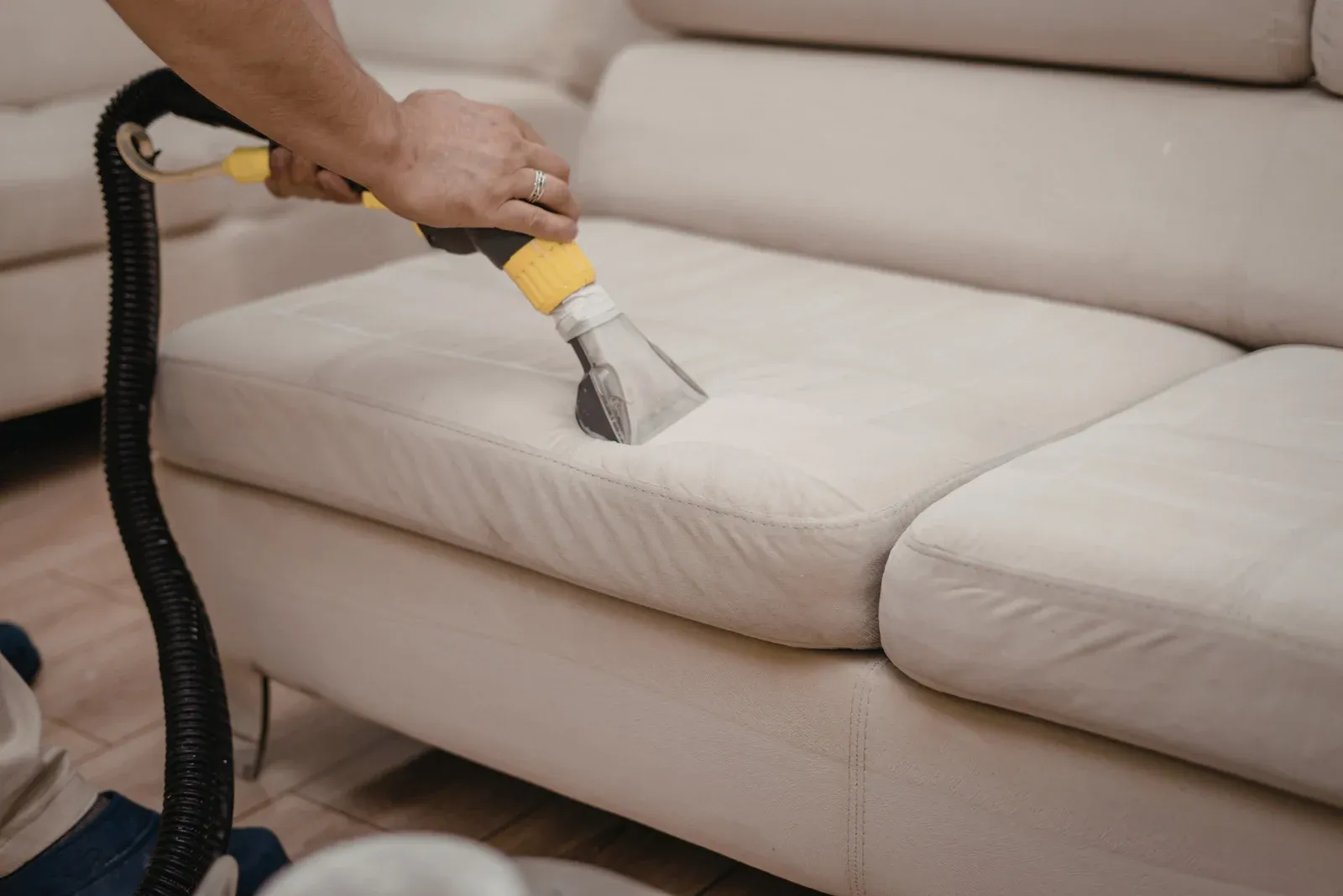
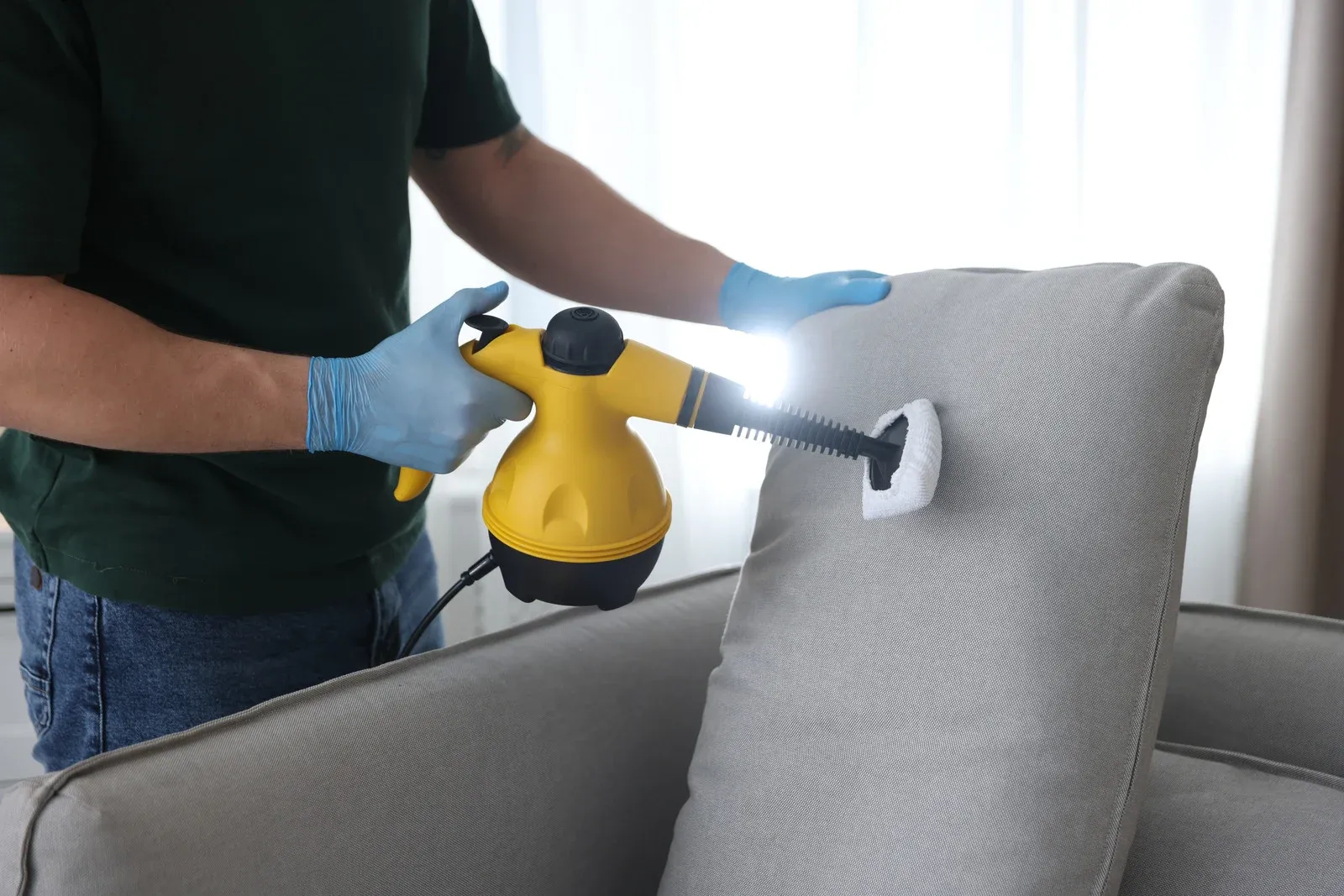
Sofas and chairs are where people unwind, socialise, and rest. Over time, upholstery absorbs body oils, perspiration, and everyday dirt. Even when visually clean, internal build-up can affect how furniture feels and smells.
Clean upholstery supports emotional comfort by restoring freshness and structure. When seating feels inviting and smells clean, people are more likely to relax fully and spend quality time at home.
Curtains and the Feeling of Fresh Air
Curtains often go unnoticed in cleaning routines, yet they influence how light, air, and sound move through a room. Dust and pollutants trapped in curtain fabrics can make spaces feel stale or heavy.
Clean curtains allow light to filter through more clearly and reduce airborne dust. This contributes to a lighter, calmer atmosphere that supports relaxation throughout the day.
Bedroom Fabrics and Restful Sleep
The bedroom is the most important space for relaxation, and fabric cleanliness directly affects sleep quality. Mattresses, carpets, curtains, and upholstery all absorb moisture, allergens, and odours over time.
Clean bedroom fabrics create a fresher sleep environment, reducing sensory distractions and discomfort. This supports deeper relaxation and helps the body transition more easily into rest.
Reduced Allergens and Physical Ease
Allergens trapped in fabrics can cause subtle physical discomfort, including congestion, itching, or restless breathing. Even mild irritation can interfere with relaxation, particularly when trying to unwind or sleep.
Clean fabrics help reduce allergen levels, supporting physical ease and uninterrupted relaxation. When the body feels comfortable, the mind can follow.
The Psychological Effect of a Well-Maintained Home
A home that feels cared for sends a powerful psychological signal. Clean fabrics suggest order, stability, and control, all of which contribute to reduced stress. This sense of control is especially important in busy or demanding lifestyles.
Knowing that your home is genuinely clean—not just on the surface—allows you to relax without underlying concern or distraction.
Why Surface Cleaning Isn’t Enough for Relaxation
Routine vacuuming and spot cleaning improve appearance but often leave behind moisture, residues, and deep-seated dirt. These hidden issues continue to affect smell, texture, and air quality, limiting relaxation benefits.
Deep fabric cleaning removes what surface methods miss, restoring fabrics at a structural level. This deeper cleanliness is what truly transforms how a home feels.
Clean Fabrics and Daily Well-Being
Relaxation isn’t limited to evenings or weekends. A calm environment supports well-being throughout the day, from working at home to spending time with family. Clean fabrics create consistency in comfort and atmosphere.
When fabrics are maintained properly, the home becomes a space that supports recovery, focus, and emotional balance rather than contributing to stress.
Long-Term Comfort Through Proper Fabric Care
Clean fabrics don’t just improve relaxation today—they preserve comfort over time. Dirt and moisture accelerate fabric wear, leading to stiffness, odours, and premature ageing.
Regular professional cleaning helps fabrics maintain their comfort and appearance, ensuring that relaxation remains part of everyday life rather than something that fades as furnishings age.
Creating a Home That Truly Helps You Unwind
Relaxation is influenced by more than décor or lighting. It’s shaped by how a space feels, smells, and supports the body. Clean fabrics quietly enhance all of these elements, making the home a place of genuine rest.
Investing in fabric care is an investment in daily comfort, mental clarity, and long-term well-being.
Professional Fabric Care for a More Relaxing Home
A truly relaxing home starts with clean, comfortable fabrics that support both physical and mental ease. When dirt, moisture, and allergens are removed from deep within carpets, upholstery, curtains, and mattresses, the difference is felt immediately.
With over 25 years of experience, Sevenoaks Carpet Cleaning & Upholstery Cleaning provides professional deep fabric cleaning designed to restore freshness, comfort, and balance to UK homes. Our careful approach helps create healthier indoor environments where relaxation comes naturally.
If your home feels less calm than it should, professional fabric cleaning can help transform your living spaces into places where you can truly unwind and recharge.