Professional vs DIY Upholstery Cleaning: Pros & Cons
Upholstered furniture is designed to provide comfort, warmth, and visual softness within the home. Sofas and armchairs are used daily for relaxing, socialising, and spending time with family. Over time, however, these fabrics quietly collect dust, body oils, food particles, pet dander, and airborne pollutants. While upholstery may appear clean on the surface, much of what settles into the fibres remains hidden.
When deeper cleaning becomes necessary, many homeowners face a common question: should upholstery be cleaned independently or handled by a professional service? Both approaches offer benefits, but each comes with limitations that influence results, safety, and long-term fabric condition.
Understanding the differences between professional and DIY upholstery cleaning allows homeowners to make informed decisions that protect both their furniture and indoor environment.
The Nature of Upholstery Contamination
Soft furnishings absorb more than visible dirt. Every time someone sits down, natural oils and microscopic skin particles transfer into the fabric. Airborne dust settles continuously, and in homes with pets, dander becomes embedded within cushions.
Unlike hard surfaces that can be wiped clean, upholstery fibres trap contaminants within their weave. Regular vacuuming removes surface debris, but deeper particles remain lodged in padding and fabric layers. Over time, this build-up can affect both the look and feel of the furniture. Colours may appear dull, textures may stiffen, and subtle odours may develop.
The Appeal of DIY Cleaning
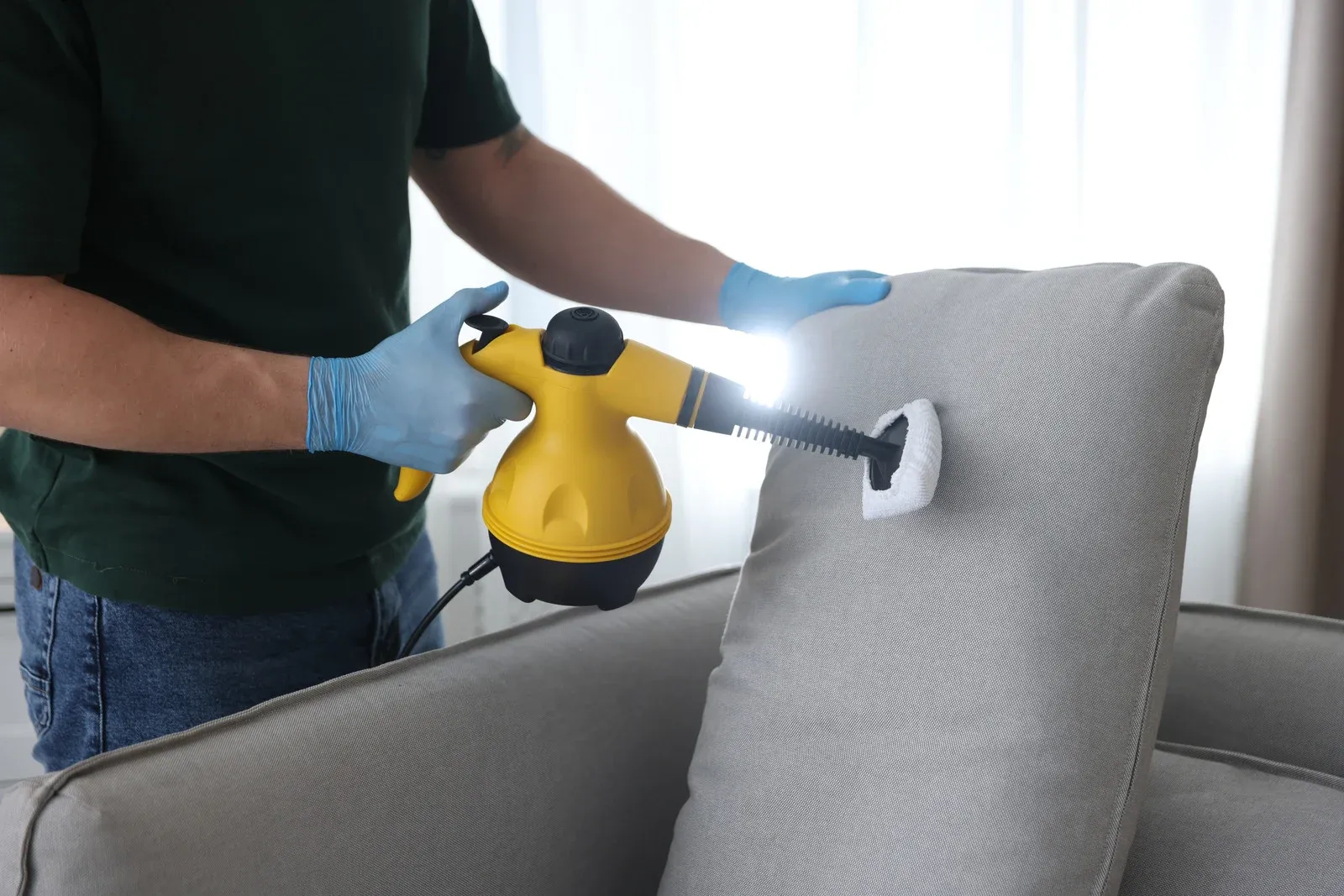
Do-it-yourself upholstery cleaning often feels like a practical first step. Supermarkets and hardware shops offer cleaning sprays, rental machines, and spot-treatment solutions that promise convenience and affordability.
For small spills or minor stains, acting quickly with appropriate products can prevent permanent marks. Light surface cleaning between deeper treatments also helps maintain overall appearance.
DIY cleaning provides flexibility. Homeowners can address issues immediately without waiting for appointments. For low-traffic furniture or minor maintenance, this approach can be sufficient. However, upholstery fabrics vary widely in composition. Natural fibres, synthetic blends, and delicate materials each respond differently to moisture and cleaning agents. Without specialised knowledge, it can be difficult to determine the safest method.
The Limitations of Household Equipment
Consumer-grade upholstery cleaners typically operate at lower temperatures and suction power than professional equipment. While they may refresh the surface, they often leave moisture behind in the padding beneath. Excess moisture can extend drying times and, in some cases, lead to unpleasant odours if not fully extracted. Fabric may feel damp long after cleaning appears complete, particularly in humid environments.
Additionally, improper dilution of cleaning solutions can leave residue within fibres. This residue may attract dirt more quickly, causing upholstery to become soiled again sooner than expected. These limitations do not mean DIY cleaning is ineffective, but they highlight the importance of cautious application and realistic expectations.
The Benefits of Professional Cleaning
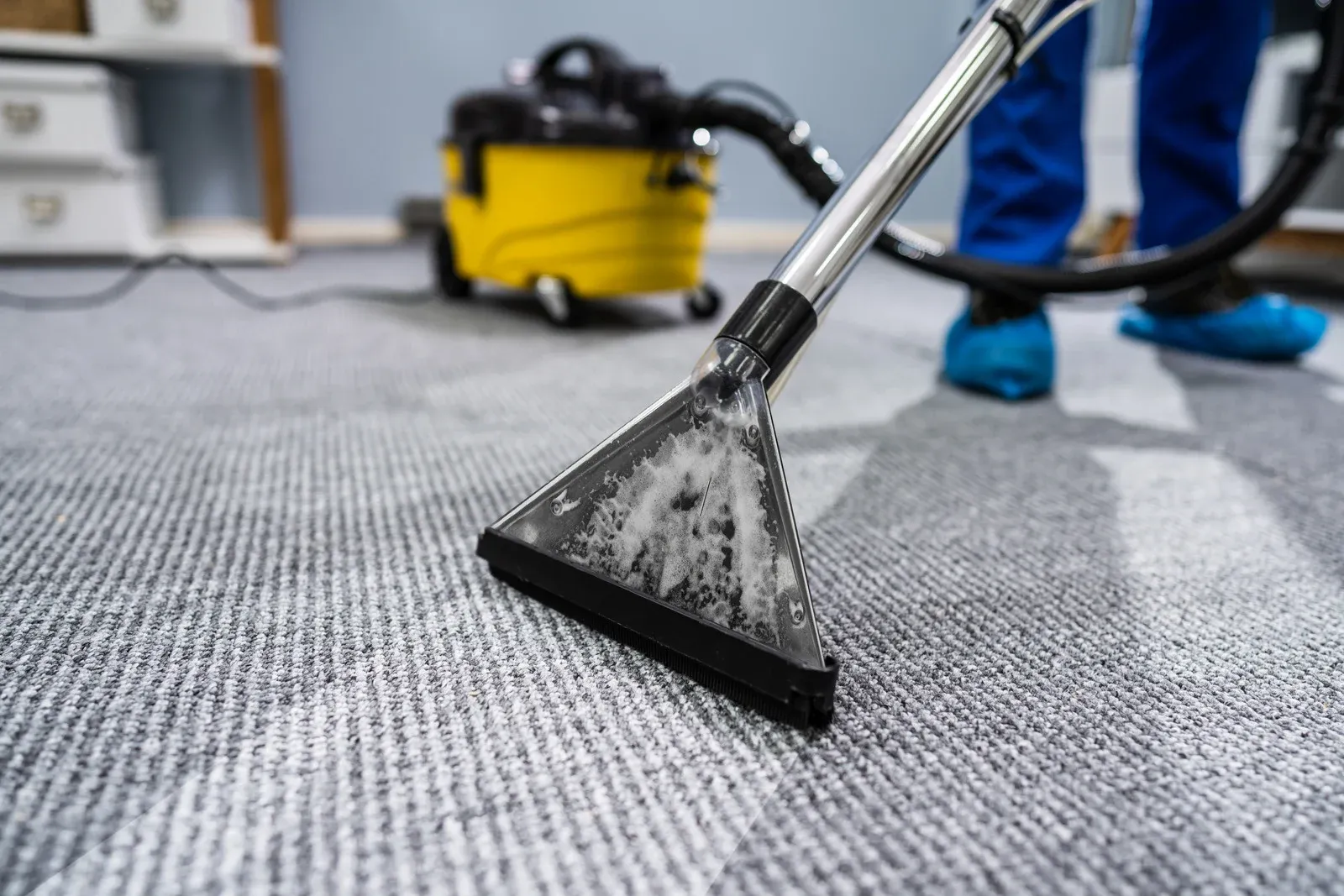
Professional upholstery cleaning services use advanced equipment designed to penetrate deep within fabric layers. Techniques such as hot water extraction combine controlled heat, targeted agitation, and strong suction to remove embedded dirt and residues. This method allows contaminants to be lifted from within the fibres rather than simply treated at the surface. Because professional machines extract the majority of moisture during the process, drying times are typically shorter and more controlled.
Experienced technicians also assess fabric type before cleaning. This evaluation determines which cleaning method is safest and most effective. Delicate materials receive appropriate care, reducing the risk of shrinkage, fading, or fibre damage. The result is not only improved appearance but also a noticeable difference in freshness and texture.
Managing Stains and Persistent Odours
Stains vary significantly in composition. Food spills, oils, ink, and pet accidents each require specific treatment. Household products may mask a stain temporarily without removing it fully. Professional services apply targeted solutions designed for particular stain types. This increases the likelihood of complete removal while preserving fabric integrity.
Odours can also become trapped deep within cushioning. Surface sprays may provide temporary fragrance, but without extraction of the underlying source, smells often return. Professional cleaning addresses the cause rather than covering the symptom.
Allergy Considerations
For households affected by allergies, upholstery can become a hidden contributor to discomfort. Dust mites, pet dander, and pollen accumulate within soft furnishings over time. While vacuuming helps reduce surface particles, deeper allergens often remain embedded. Professional cleaning removes a greater proportion of these irritants, supporting improved indoor air quality. This can be particularly beneficial in living rooms and bedrooms, where extended periods are spent in close contact with upholstered furniture.
Cost and Long-Term Value
DIY cleaning typically appears more economical at first glance. Purchasing cleaning products or renting equipment costs less upfront than hiring a professional service. However, the long-term perspective tells a broader story. Improper cleaning can weaken fibres, cause colour distortion, or lead to internal moisture problems. Repairing or replacing upholstery prematurely often outweighs the savings of DIY attempts. Professional cleaning, while representing a larger immediate expense, helps preserve fabric condition and extend furniture lifespan. Over time, this preventative care supports better value.
Balancing Convenience and Expertise
Convenience is one of the strongest advantages of DIY cleaning. Immediate access to products and flexible timing allow homeowners to respond quickly to minor issues. Professional cleaning, by contrast, requires scheduling and short periods of restricted furniture use while drying. Yet this temporary inconvenience often results in deeper restoration and longer-lasting cleanliness. For many households, a balanced approach proves most effective. Routine vacuuming and prompt spot cleaning maintain appearance between scheduled professional visits. Periodic expert care ensures deeper hygiene and structural preservation.
When to Choose Professional Cleaning
Certain situations clearly favour professional intervention. Widespread staining, persistent odours, visible dullness, or long-neglected upholstery typically benefit from specialised treatment. Homes with pets, children, or heavy daily use often require deeper cleaning more frequently. Likewise, allergy-prone households may find noticeable comfort improvements following professional service. Recognising when surface cleaning is no longer sufficient helps prevent further deterioration.
Preserving Comfort and Longevity
Upholstered furniture represents both comfort and investment. Maintaining its condition requires more than occasional surface attention. Dirt particles act as abrasives, gradually wearing fibres from within. Residue build-up can stiffen fabric and diminish softness. Professional cleaning removes these hidden stressors, restoring texture and resilience. Combined with careful routine maintenance, this approach preserves the inviting comfort sofas are designed to provide.
Professional Upholstery Care in Sevenoaks and Kent
At Sevenoaks Carpet Cleaning & Upholstery Cleaning, we provide thorough upholstery cleaning tailored to fabric type and household needs. With over 25 years of experience serving homes across Sevenoaks and Kent, our approach focuses on safe methods, deep extraction, and controlled drying. Understanding the strengths and limitations of both professional and DIY cleaning allows homeowners to choose wisely. While light maintenance can be handled independently, periodic professional care ensures upholstery remains hygienic, comfortable, and long-lasting.
Clean, well-maintained furniture enhances everyday relaxation and supports a healthier indoor environment — ensuring that your home continues to feel fresh, welcoming, and comfortable throughout the year.