How Moving Furniture Affects Carpet and Upholstery Condition
Moving furniture is a normal part of everyday life. Whether it’s rearranging a living room, deep cleaning, redecorating, or preparing for guests, furniture is constantly being shifted across carpets and upholstery. While these movements may seem harmless, they can quietly affect the condition of your soft furnishings over time.
In UK homes, where carpets and upholstered furniture are heavily used and humidity levels remain relatively high, the impact of moving furniture is often underestimated. Professional cleaners have seen how repeated furniture movement contributes to hidden wear, fibre damage, and uneven ageing in both carpets and upholstery. Understanding these effects helps homeowners protect their interiors and extend the life of their furnishings.
Pressure Marks and Carpet Compression
One of the most visible effects of furniture movement is carpet compression. Heavy furniture places constant pressure on carpet fibres, flattening them over time. When furniture is moved, these compressed areas become noticeable as dents or uneven patches.
While some fibres recover naturally, prolonged pressure can permanently alter their structure. Moving furniture repeatedly without allowing fibres to recover increases the risk of permanent flattening, especially in high-traffic areas or older carpets.
Fibre Distortion from Dragging Furniture
Dragging furniture across carpets can distort fibres, pulling them in different directions. This stress weakens the fibres and causes uneven texture or shading. Over time, these areas may appear darker or lighter than the surrounding carpet.
On loop-pile carpets, dragging furniture can even snag fibres, leading to visible damage that cannot be corrected with routine cleaning. Using proper lifting techniques is essential to prevent unnecessary fibre stress.
Abrasion and Surface Wear
Furniture legs and bases act like abrasive tools when moved across carpeted surfaces. Even small shifts can grind dirt particles deeper into fibres, increasing friction and wear. This is particularly damaging in areas where carpets already experience regular foot traffic.
As abrasion increases, carpets lose their softness and resilience. Surface wear develops gradually, often becoming noticeable only after significant damage has already occurred.
Uneven Carpet Ageing
When furniture remains in one position for long periods and is then moved, differences in carpet condition become apparent. Areas that were previously covered may look brighter, thicker, or less worn than exposed sections.
While this contrast is normal, frequent rearranging without professional cleaning can make uneven ageing more noticeable. Dirt and wear accumulate faster in exposed areas, accelerating visible differences across the room.
Impact on Carpet Padding and Underlay
The effects of furniture movement aren’t limited to the surface. Carpet padding and underlay beneath the fibres also experience stress. Heavy furniture compresses padding, reducing its ability to cushion and support the carpet above.
Once padding loses its resilience, carpets feel flatter and wear more quickly. Moving furniture repeatedly over weakened padding accelerates this process, shortening the overall lifespan of the carpet.
Fabric Stretching and Distortion
When upholstered furniture is moved, fabric can stretch slightly, especially if the piece is lifted incorrectly or pulled by the arms or backrest. Repeated stretching weakens fibres and causes upholstery to lose its original shape and fit.
Natural fabrics such as cotton, wool, and linen are particularly susceptible. Once stretched, upholstery may not return fully to its original form, affecting both appearance and comfort.
Dirt Redistribution and Hidden Contamination
Moving furniture exposes areas of carpet and upholstery that are rarely cleaned. Dust, debris, and allergens accumulate beneath furniture and remain undisturbed for long periods. When furniture is moved, these contaminants are released into the surrounding environment.
Without professional cleaning, this redistribution can spread dirt across freshly exposed areas, making carpets and upholstery appear dull more quickly and affecting indoor air quality.
Moisture and Odour Issues
In the UK’s humid climate, moisture can become trapped beneath furniture, especially on carpets placed over cold floors. Limited airflow prevents proper drying, creating conditions for musty odours and fibre deterioration.
When furniture is moved, these damp areas are exposed, often revealing unpleasant smells or discolouration. Regular professional cleaning helps remove trapped moisture and prevents odour buildup.
Structural Stress on Furniture Frames
Frequent movement doesn’t just affect fabrics—it also impacts furniture frames. Chairs and sofas shifted repeatedly may develop loose joints or weakened structures. This structural stress can lead to uneven weight distribution, increasing pressure on certain upholstery areas.
Over time, this contributes to faster fabric wear and reduced furniture comfort.
How Professional Cleaning Helps After Furniture Movement
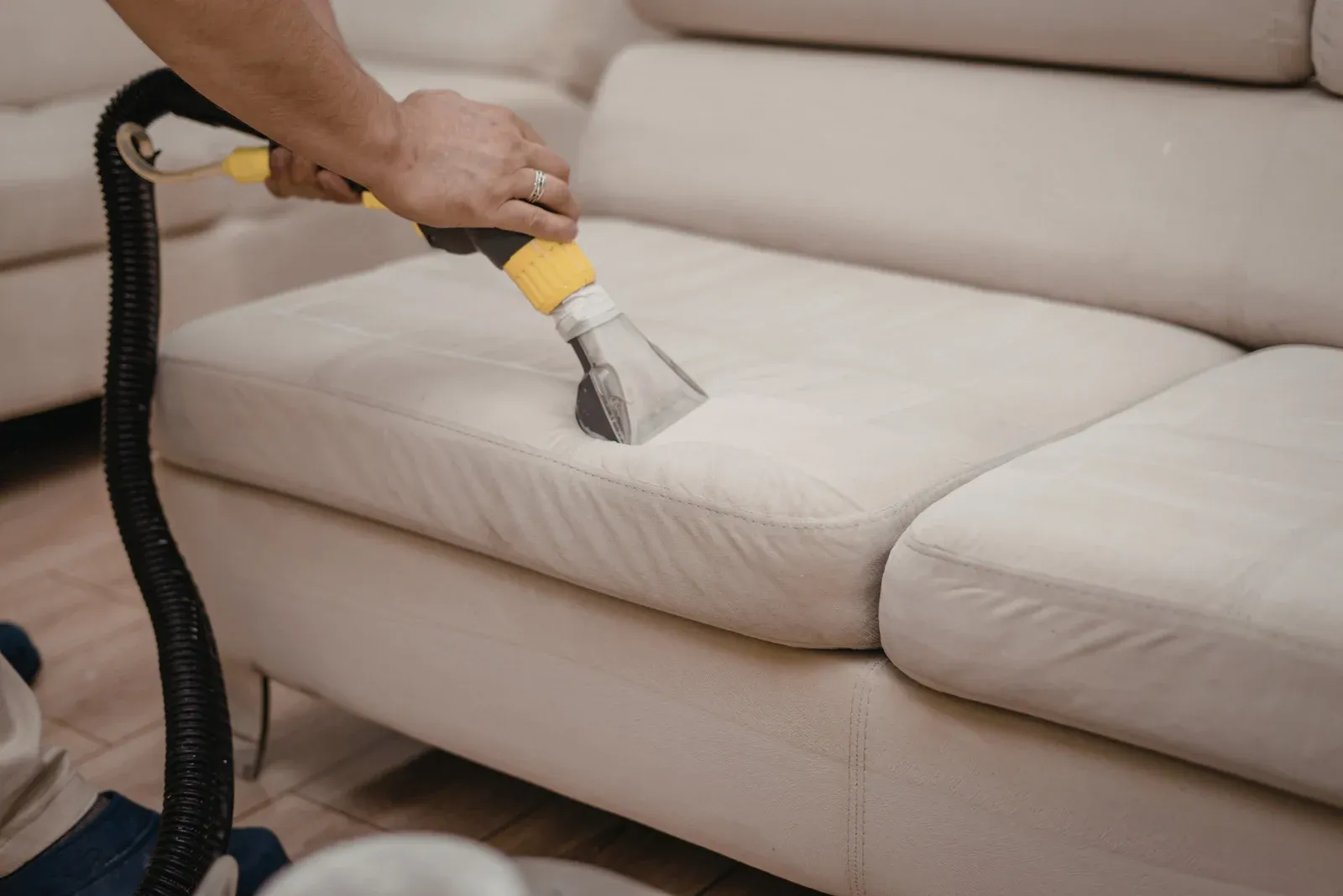
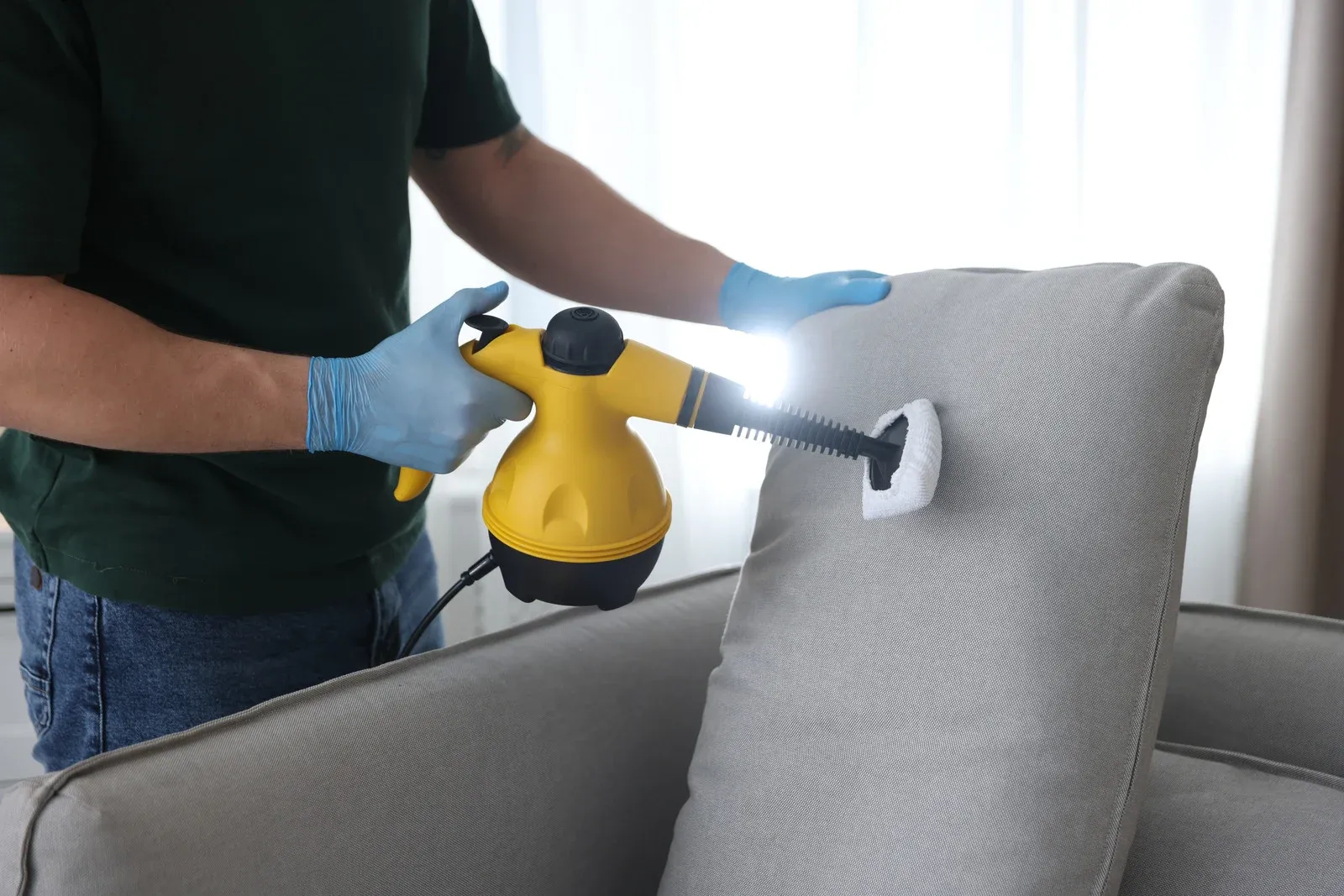
Professional carpet and upholstery cleaning plays a crucial role in minimising damage caused by furniture movement. Deep cleaning lifts compressed fibres, removes abrasive dirt, and restores fabric flexibility.
For carpets, professional methods help revive flattened areas and even out appearance. For upholstery, deep cleaning removes embedded oils and dirt that weaken fibres, helping fabrics recover after stress.
Best Practices for Reducing Damage
To minimise damage when moving furniture, lifting rather than dragging is essential. Using protective pads under furniture legs helps distribute weight and reduce pressure points. Rotating furniture occasionally rather than frequent rearranging allows fibres time to recover.
Scheduling professional cleaning after major furniture moves ensures exposed areas are properly cleaned and balanced with the rest of the room.
Long-Term Fabric Care in Busy Homes
In active households, furniture movement is unavoidable. Children, pets, guests, and regular cleaning all contribute to ongoing shifts in furniture placement. Without proper care, these movements gradually take a toll on carpets and upholstery.
Understanding how furniture affects fabrics allows homeowners to adopt preventative habits rather than reacting to damage after it occurs.
Professional Care for Long-Lasting Results
Furniture movement is part of everyday living, but its effects on carpets and upholstery shouldn’t be ignored. With the right care, much of the associated wear and damage can be reduced or reversed.
With over 25 years of experience, Sevenoaks Carpet Cleaning & Upholstery Cleaning has helped homeowners protect and restore their soft furnishings through professional deep cleaning and expert fabric care. Our experience allows us to identify wear caused by furniture movement and apply the right cleaning techniques to revive fibres, remove hidden dirt, and improve overall appearance.
If your carpets feel flattened, upholstery looks tired, or you’ve recently moved furniture, professional cleaning can restore balance, comfort, and freshness—helping your furnishings look better and last longer.