How Often Should You Clean Your Carpets? A Complete Schedule
Carpets are one of the most used surfaces in any home. They soften rooms, absorb sound, provide warmth underfoot, and contribute significantly to overall comfort. Yet despite their importance, carpets are often cleaned far less frequently than they should be. Because dirt settles gradually and fibres hide debris well, carpets can appear clean while holding dust, allergens, and residues deep within the pile.
Understanding how often carpets should be cleaned depends on more than appearance alone. Household size, pets, lifestyle, and even local weather conditions all influence the correct schedule. Establishing a consistent cleaning routine not only improves hygiene but also protects the lifespan and performance of your flooring.
This guide outlines a practical cleaning schedule to help homeowners maintain fresh, healthy carpets throughout the year.
Why Regular Carpet Cleaning Matters
Carpets act like filters. Throughout the day, they collect airborne dust, pollen, pet dander, outdoor pollutants, and microscopic debris carried in on shoes. Over time, these particles settle deep into the fibres. While regular vacuuming removes surface dirt, it does not eliminate deeply embedded contaminants. Without periodic deep cleaning, carpets can begin to feel heavy, appear dull, and contribute to stale indoor air. Consistent maintenance preserves colour, texture, and comfort while preventing premature wear. A structured schedule ensures carpets remain both visually appealing and hygienically clean.
Weekly Maintenance: The Foundation of Carpet Care
Vacuuming forms the base of any carpet cleaning schedule. For most households, vacuuming at least once per week is essential. In high-traffic areas such as hallways and living rooms, two to three times weekly is often more appropriate. Frequent vacuuming prevents soil from being ground deeper into fibres, where it can cause abrasion and long-term damage. It also reduces allergen build-up, contributing to fresher indoor air. Using a vacuum with strong suction and a rotating brush head improves effectiveness. Paying attention to edges and corners ensures debris is not left behind in overlooked areas.
Monthly Attention to High-Traffic Zones
Certain areas of the home experience more foot traffic than others. Entryways, stairs, and main walkways typically accumulate dirt faster. These sections benefit from additional attention each month. Spot cleaning visible marks as soon as they appear prevents stains from setting. Rotating rugs or rearranging furniture slightly can also distribute wear more evenly across the carpet. Monthly checks allow homeowners to address minor issues before they become permanent discolouration or fibre damage.
Every Three to Six Months: Light Deep Cleaning
For average households without pets or heavy use, light deep cleaning every three to six months helps maintain freshness. This may include using a carpet cleaner machine or scheduling a low-intensity professional refresh. Homes with children or moderate activity levels may require more frequent attention. Spills, crumbs, and everyday living introduce additional soil that gradually builds beneath the surface. Seasonal transitions are an ideal time for this level of cleaning. Spring and autumn often bring increased outdoor debris, making them practical checkpoints for maintenance.
Twice a Year: Professional Deep Cleaning for Most Homes
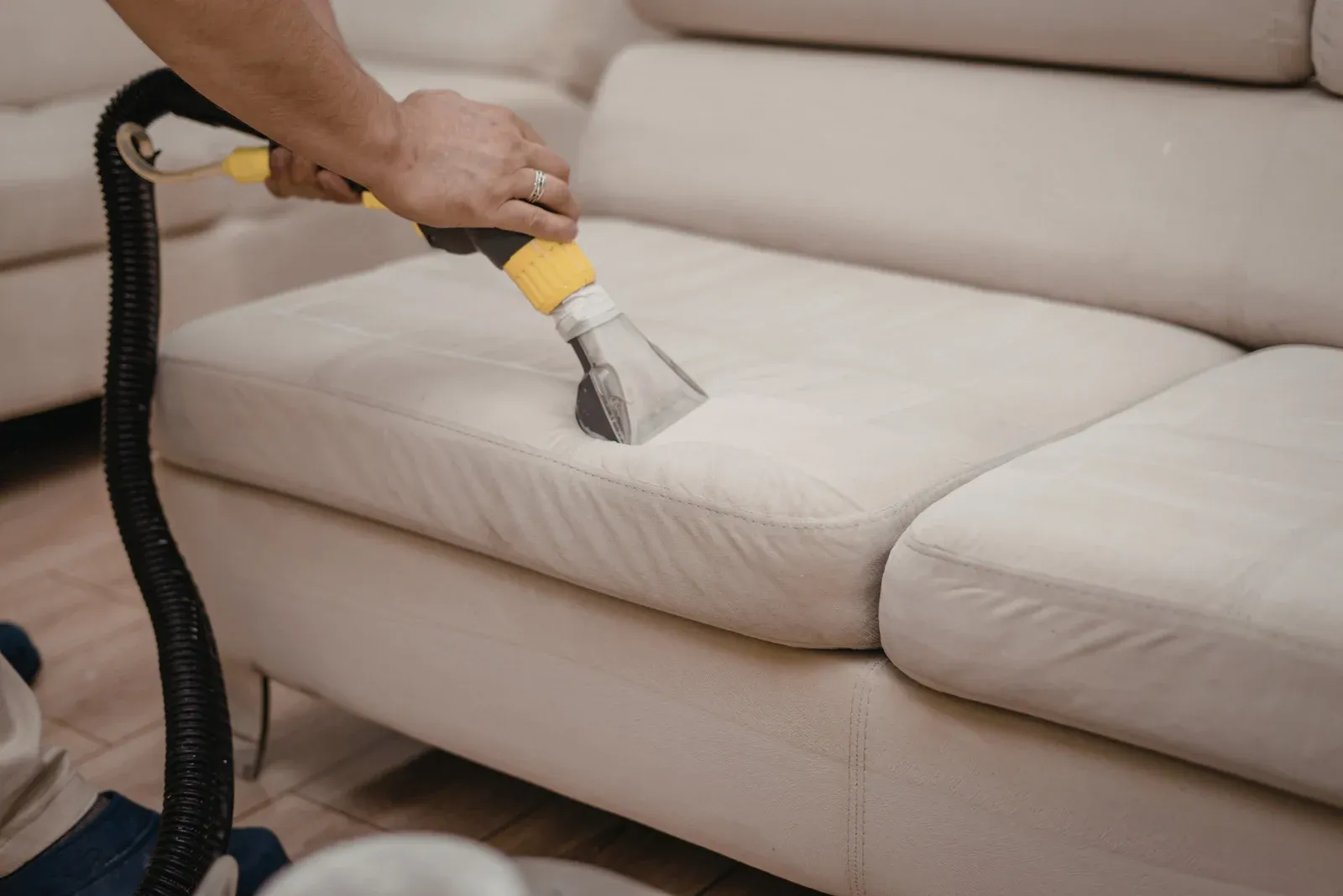
For many UK households, professional carpet cleaning every six months provides the ideal balance between maintenance and long-term protection. Professional methods, such as hot water extraction, reach deeper into fibres than consumer-grade equipment. This deeper clean removes trapped soil, allergens, and residues that regular vacuuming cannot eliminate. It also refreshes carpet texture, helping fibres stand upright and regain softness. Biannual professional cleaning helps maintain manufacturer warranties and extends carpet lifespan, making it a worthwhile investment.
Quarterly Cleaning for Homes with Pets
Pets significantly influence carpet cleaning frequency. Fur, dander, tracked-in dirt, and occasional accidents increase contamination levels quickly. Even well-trained animals contribute to odour absorption within fibres. Homes with pets benefit from professional cleaning every three to four months. This schedule prevents odours from settling and reduces allergen accumulation. Between professional visits, more frequent vacuuming and prompt spot treatment are essential for maintaining freshness.
Every Three Months for Allergy-Prone Households
For individuals sensitive to dust or pollen, carpets can become hidden triggers. Deep cleaning every three months helps reduce allergen levels and improve indoor comfort. Professional cleaning removes microscopic particles embedded beneath the surface, creating a healthier environment. This can be particularly beneficial during peak allergy seasons in spring and early summer. Maintaining this schedule supports both physical comfort and overall indoor air quality.
Annual Cleaning for Low-Traffic Areas
Guest bedrooms and rarely used rooms may not require frequent deep cleaning. However, even low-traffic carpets accumulate airborne dust over time. An annual professional clean keeps these spaces fresh and prevents gradual deterioration. Even unused rooms benefit from routine care to maintain consistency throughout the home. Neglecting low-use areas can lead to uneven wear patterns and long-term fibre weakening.
After Specific Events or Incidents
Certain situations call for immediate professional cleaning, regardless of the regular schedule. These include:
- Significant spills or stains
- Flooding or water leaks
- Pet accidents
- Post-renovation dust
- Hosting large gatherings or events
Addressing these incidents promptly prevents permanent damage and reduces the likelihood of lingering odours or staining. Waiting too long after a major spill can make removal more difficult and may affect the carpet backing or underlay.
The Impact of Local Weather Conditions
Climate plays an important role in determining carpet cleaning frequency. In areas like Kent, damp weather and frequent rainfall increase the amount of moisture and outdoor debris tracked indoors. Wet conditions contribute to soil buildup and can create an environment where odours develop more easily. During autumn and winter months, carpets may require additional attention due to mud and moisture. Adapting cleaning schedules to seasonal conditions helps maintain consistent performance year-round.
Signs It’s Time for Professional Cleaning
Even with a schedule in place, carpets sometimes indicate when they need attention. Dull appearance, flattened fibres, lingering odours, or increased allergy symptoms suggest deeper cleaning is required. If vacuuming no longer restores brightness or softness, embedded soil may be affecting the structure of the fibres. Professional cleaning at this stage prevents further deterioration. Listening to these signs ensures carpets remain in optimal condition.
Long-Term Benefits of a Structured Cleaning Schedule
Carpets represent a significant investment in home comfort. Following a structured cleaning routine protects that investment by reducing wear, preventing staining, and preserving colour vibrancy.
Regular professional care also helps maintain indoor hygiene, supporting a healthier living environment. Clean carpets feel softer underfoot, look more inviting, and contribute to overall home freshness.
By spreading cleaning throughout the year rather than delaying until carpets appear visibly dirty, homeowners avoid costly restoration or premature replacement.
Professional Carpet Cleaning in Sevenoaks and Kent
At Sevenoaks Carpet Cleaning & Upholstery Cleaning, we provide expert deep cleaning services tailored to household needs and local conditions. With over 25 years of experience, our approach focuses on thorough fibre care, effective stain removal, and restoring long-lasting freshness. Whether your home requires quarterly maintenance due to pets or biannual cleaning for general upkeep, we help establish a schedule that keeps carpets looking and feeling their best.
Maintaining a consistent cleaning routine ensures carpets continue to provide warmth, comfort, and visual appeal for years to come. With the right care plan in place, your carpets can remain a durable and welcoming foundation for everyday life.