How Often Should You Clean Your Sofa Cushions & Upholstery?
Sofas are among the most frequently used pieces of furniture in any home. They provide a place to relax after a long day, gather with family, host guests, and unwind in comfort. Despite their central role in daily life, sofa cushions and upholstery are often overlooked when it comes to regular cleaning.
Unlike hard surfaces, upholstery fabrics absorb body oils, dust, allergens, food particles, and airborne pollutants. Over time, this build-up affects not only appearance but also hygiene and indoor air quality. Understanding how often to clean sofa cushions and upholstery helps maintain freshness, extend furniture lifespan, and support a healthier living environment.
The ideal cleaning schedule depends on several factors, including household size, pets, allergies, and lifestyle habits. Establishing a structured approach ensures upholstery remains comfortable and well-maintained throughout the year.
Why Upholstery Requires Regular Cleaning
Every time someone sits on a sofa, small amounts of skin cells, natural oils, perspiration, and dust transfer into the fabric. These particles may not be visible immediately, but they accumulate steadily within the fibres and cushioning.
Airborne dust settles into upholstery daily, especially in homes with carpets. Cooking odours, smoke, and outdoor pollutants can also be absorbed into soft furnishings. In homes with pets, fur and dander further contribute to the build-up. Without consistent cleaning, upholstery may begin to look dull, feel stiff, or retain subtle odours. Regular care prevents these gradual changes from becoming permanent.
Weekly Maintenance: Surface Care
Weekly attention is essential to keep upholstery fresh between deeper cleans. Vacuuming sofa cushions and fabric surfaces at least once a week removes surface dust and debris before it becomes embedded.
Using a soft brush attachment helps lift particles from seams and crevices. Paying attention to areas where crumbs or dirt collect, such as under cushions and along armrests, prevents accumulation. Plumping and rotating cushions weekly also helps maintain their shape and distributes wear more evenly. This simple habit extends the comfort and appearance of the sofa.
Monthly Light Cleaning and Inspection
Once a month, it is helpful to perform a more thorough inspection. Removing cushions and vacuuming underneath prevents hidden debris from settling into the base structure. Spot cleaning minor stains promptly prevents long-term discolouration. Using fabric-safe cleaning solutions appropriate for the material is important. Always test products on a small, hidden area first. Monthly checks also allow homeowners to identify early signs of wear, such as loose stitching or fabric thinning, which can be addressed before worsening.
Every Three to Six Months: Moderate Deep Cleaning
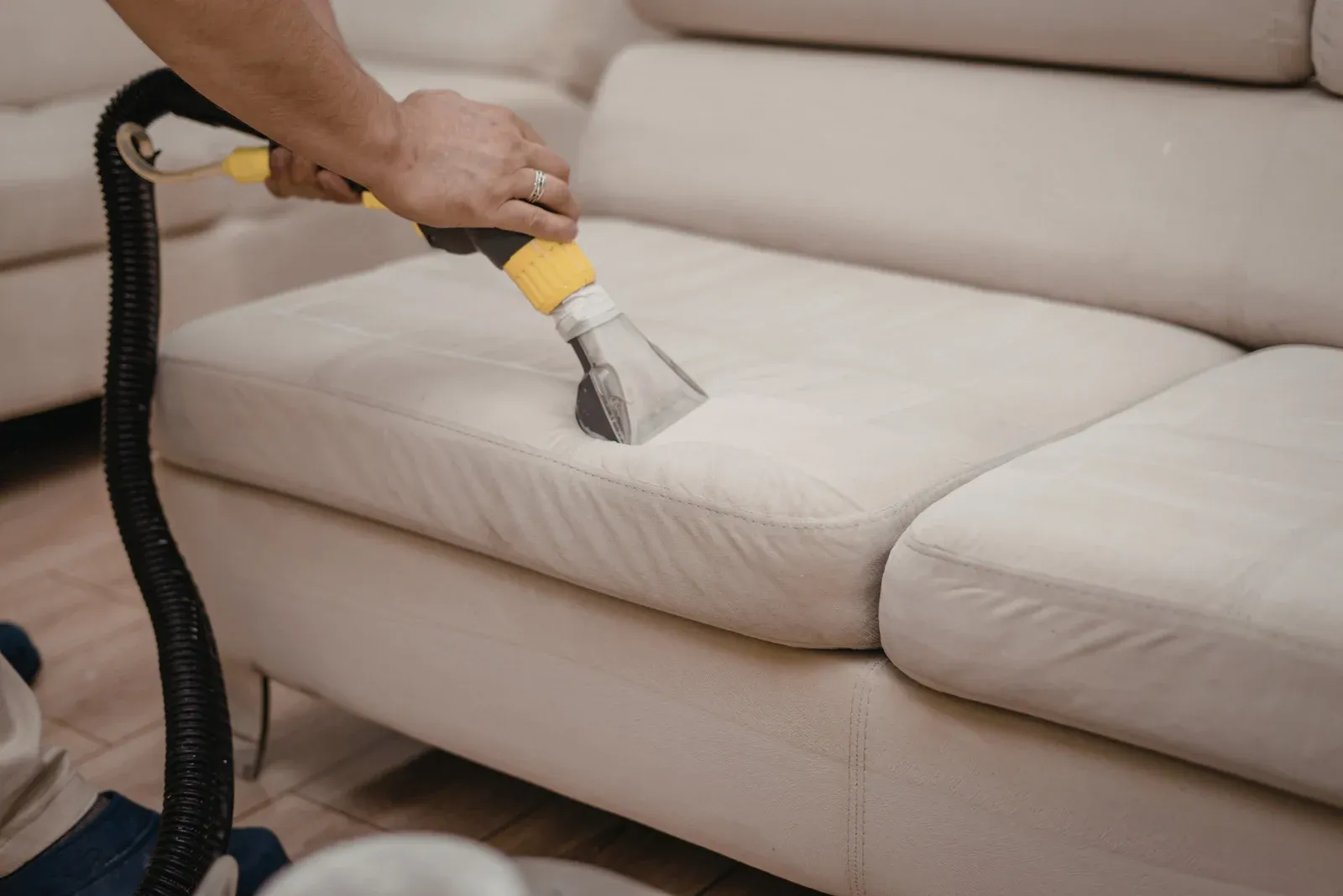
For most households, light deep cleaning every three to six months is beneficial. This may involve using a home upholstery cleaning machine or scheduling a professional refresh.
Homes without pets and with minimal daily use may lean closer to the six-month mark. However, active households with children or frequent guests often benefit from quarterly attention. This level of cleaning removes deeper dirt and helps restore fabric softness and colour vibrancy. It also reduces odours absorbed from daily living.
Twice a Year: Professional Cleaning for Average Households
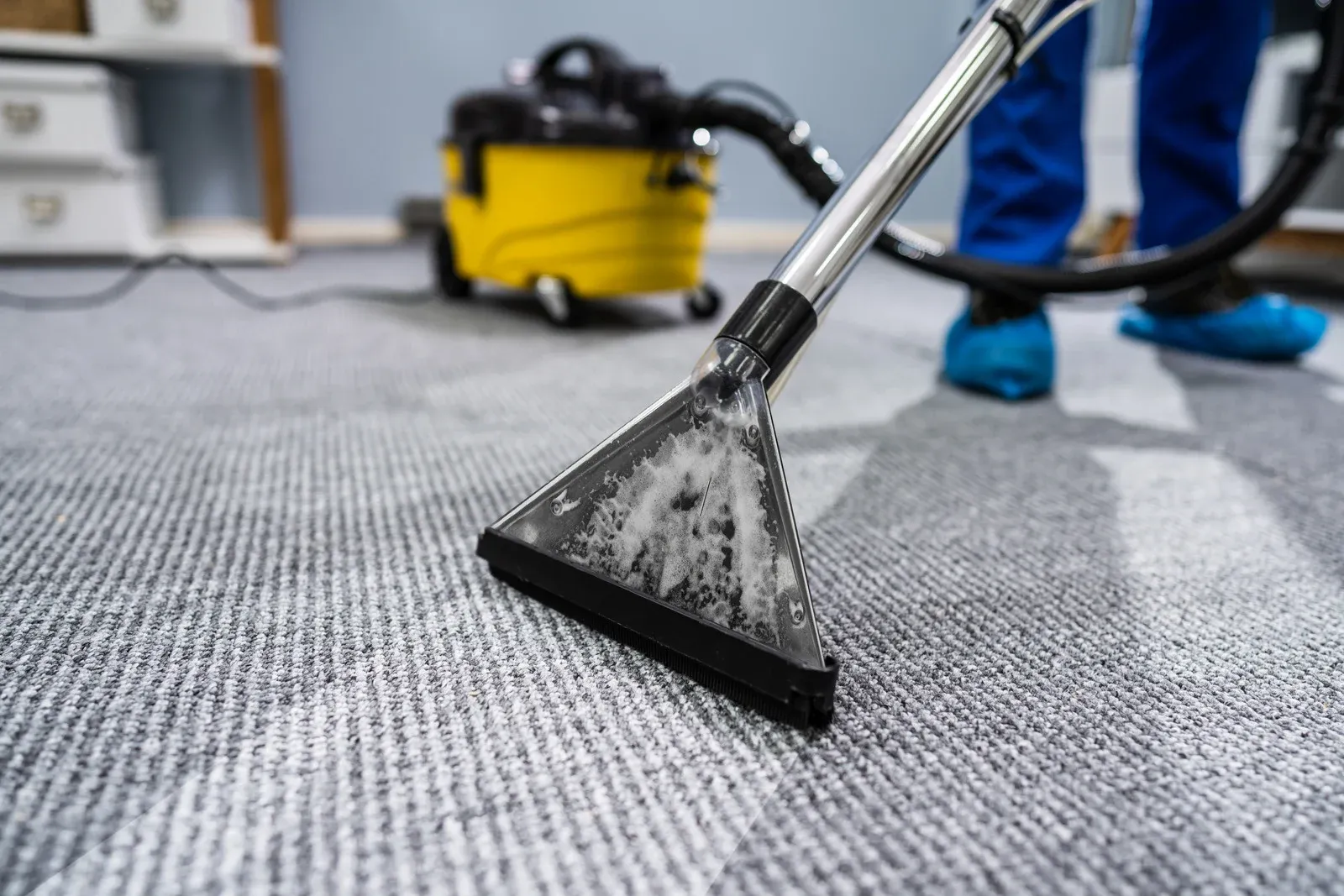
Professional upholstery cleaning every six to twelve months is generally recommended for maintaining long-term hygiene and fabric integrity. Professional methods, such as hot water extraction or low-moisture cleaning, penetrate deeper than consumer equipment.
These processes remove embedded oils, allergens, and residues that regular vacuuming cannot reach. Professional cleaning also refreshes the internal cushioning, helping restore overall comfort. For average households, biannual professional cleaning strikes a balance between maintenance and cost-effectiveness.
Every Three to Four Months for Homes with Pets
Pets significantly influence upholstery cleaning schedules. Even well-groomed animals shed fur and release dander that settles into fabric fibres. Over time, this can contribute to odour retention and allergen build-up.
Homes with pets benefit from professional upholstery cleaning every three to four months. Between visits, frequent vacuuming and washable furniture covers help manage accumulation. Maintaining this schedule prevents long-term fibre damage and keeps seating areas inviting.
Quarterly Cleaning for Allergy-Prone Households
For individuals sensitive to dust mites or allergens, upholstery can become a hidden source of irritation. Cushions trap microscopic particles that may affect respiratory comfort.
Professional cleaning every three months reduces allergen concentration and improves indoor air quality. Combined with regular vacuuming using HEPA-filter equipment, this approach helps maintain a healthier environment. Bedroom seating and frequently used living room sofas deserve particular attention in allergy-sensitive homes.
Annual Cleaning for Low-Use Furniture
Guest room sofas or rarely used armchairs may not require frequent deep cleaning. However, even low-use upholstery collects airborne dust over time. An annual professional clean ensures these pieces remain fresh and ready for use. Neglecting them entirely may result in uneven fading or fibre weakening. Consistency across all upholstered furniture supports uniform care throughout the home.
Signs Your Sofa Needs Immediate Attention
Beyond scheduled maintenance, certain signs indicate the need for prompt cleaning. Visible staining, lingering odours, sticky residue, or flattened cushions suggest deeper build-up. If vacuuming no longer restores freshness, or if the sofa feels less comfortable than usual, embedded dirt may be affecting the cushioning beneath the surface. After events such as spills, pet accidents, or large gatherings, immediate cleaning prevents long-term damage.
The Impact of Fabric Type on Cleaning Frequency
Different materials require tailored cleaning approaches. Natural fibres such as cotton and linen may absorb moisture more readily, while synthetic fabrics can trap oils differently. Delicate fabrics like velvet or silk often require professional handling to avoid damage. Leather upholstery follows a different care schedule altogether, focusing on conditioning rather than deep water extraction. Understanding the specific needs of your upholstery material ensures cleaning frequency aligns with durability and manufacturer guidelines.
How Lifestyle Influences Cleaning Needs
Household routines significantly affect upholstery maintenance schedules. Homes with young children often experience more spills and frequent use, increasing cleaning demands. Remote working arrangements also mean sofas are used throughout the day, rather than primarily in the evenings. Increased usage naturally accelerates dirt accumulation. Adjusting cleaning frequency to reflect actual use prevents wear and maintains comfort.
Long-Term Benefits of a Structured Cleaning Schedule
Following a consistent upholstery cleaning schedule preserves both appearance and performance. Dirt particles act like abrasives within fibres, gradually weakening fabric structure. Removing them regularly prevents premature ageing. Clean upholstery maintains colour clarity and softness, supporting overall comfort. Regular care also protects investment, reducing the need for costly reupholstering or replacement. Beyond aesthetics, clean seating contributes to improved indoor air quality and overall home freshness.
Supporting Upholstery Care Between Professional Visits
Simple daily habits extend the benefits of professional cleaning. Using washable throws in high-use areas protects underlying fabric. Encouraging household members to avoid eating directly on sofas reduces crumb accumulation. Keeping windows open when weather allows promotes ventilation and limits odour absorption. Promptly addressing small spills prevents deeper penetration into cushioning. These habits help maintain a clean, comfortable environment year-round.
Professional Upholstery Cleaning in Sevenoaks and Kent
At Sevenoaks Carpet Cleaning & Upholstery Cleaning, we provide professional upholstery cleaning services tailored to household needs across Sevenoaks and the surrounding Kent area. With over 25 years of experience, our deep cleaning methods focus on removing embedded dirt, allergens, and odours while preserving fabric integrity.
Whether your home requires quarterly maintenance due to pets or annual refreshment for light-use furniture, establishing the right cleaning schedule ensures long-term comfort and durability. Sofa cushions and upholstery quietly support daily relaxation. With consistent care and periodic professional cleaning, they can remain inviting, hygienic, and comfortable for many years to come.