The Difference Between Surface Cleaning and Deep Fabric Cleaning
Keeping carpets, upholstery, and curtains clean is part of maintaining a comfortable and healthy home. However, many homeowners unknowingly rely on surface cleaning methods alone, assuming that visible cleanliness means their furnishings are truly clean. In reality, surface cleaning and deep fabric cleaning serve very different purposes, and understanding the difference can have a significant impact on fabric lifespan, indoor air quality, and overall comfort.
In UK homes, where humidity levels remain relatively high and soft furnishings are exposed to daily wear, dirt, and moisture, deep fabric cleaning plays a much larger role than appearance alone. Knowing how each cleaning approach works helps homeowners make better decisions about caring for their interiors.
What Is Surface Cleaning?
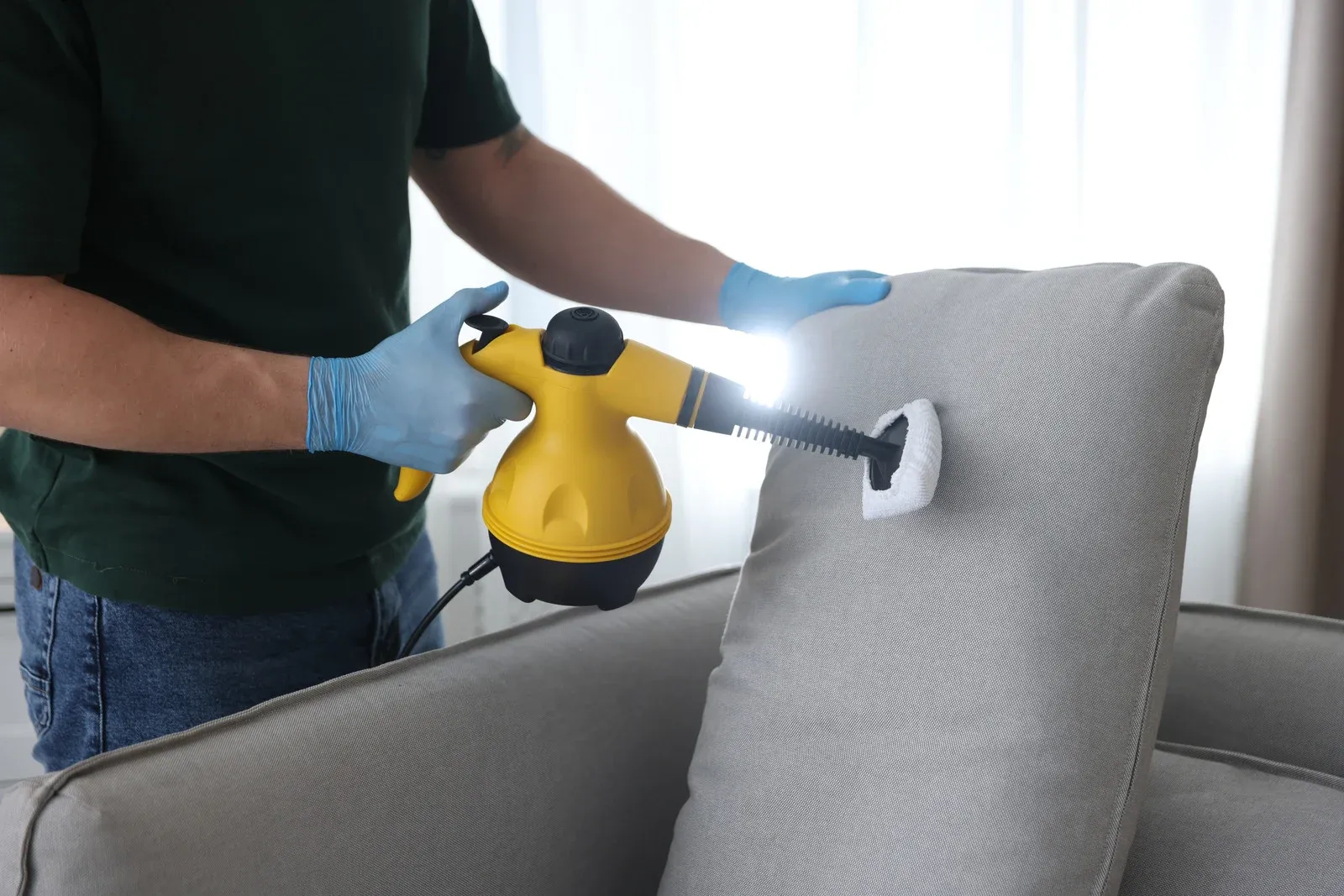
Surface cleaning refers to methods that remove dirt and debris from the top layer of a fabric. This includes routine vacuuming, spot cleaning, and light at-home treatments. These techniques are effective at improving appearance by removing loose dust, crumbs, and visible marks.
For everyday upkeep, surface cleaning is essential. It prevents dirt from building up too quickly and helps fabrics look tidy between professional visits. However, surface cleaning only addresses what can be seen and reached easily. It does not remove deeply embedded particles, moisture, or contaminants that settle below the surface.
The Limitations of Surface Cleaning
While surface cleaning improves how fabrics look, it often leaves behind the most problematic elements. Dirt particles are sharp and abrasive, and when they settle deep into fibres, they gradually wear them down. Moisture, oils, and allergens also remain trapped beneath the surface, even after vacuuming.
In the UK’s humid climate, surface cleaning can sometimes make things worse if moisture is introduced without proper extraction. Fabrics may appear clean initially but remain damp underneath, creating conditions that encourage odours, bacteria, and faster fibre breakdown.
What Is Deep Fabric Cleaning?
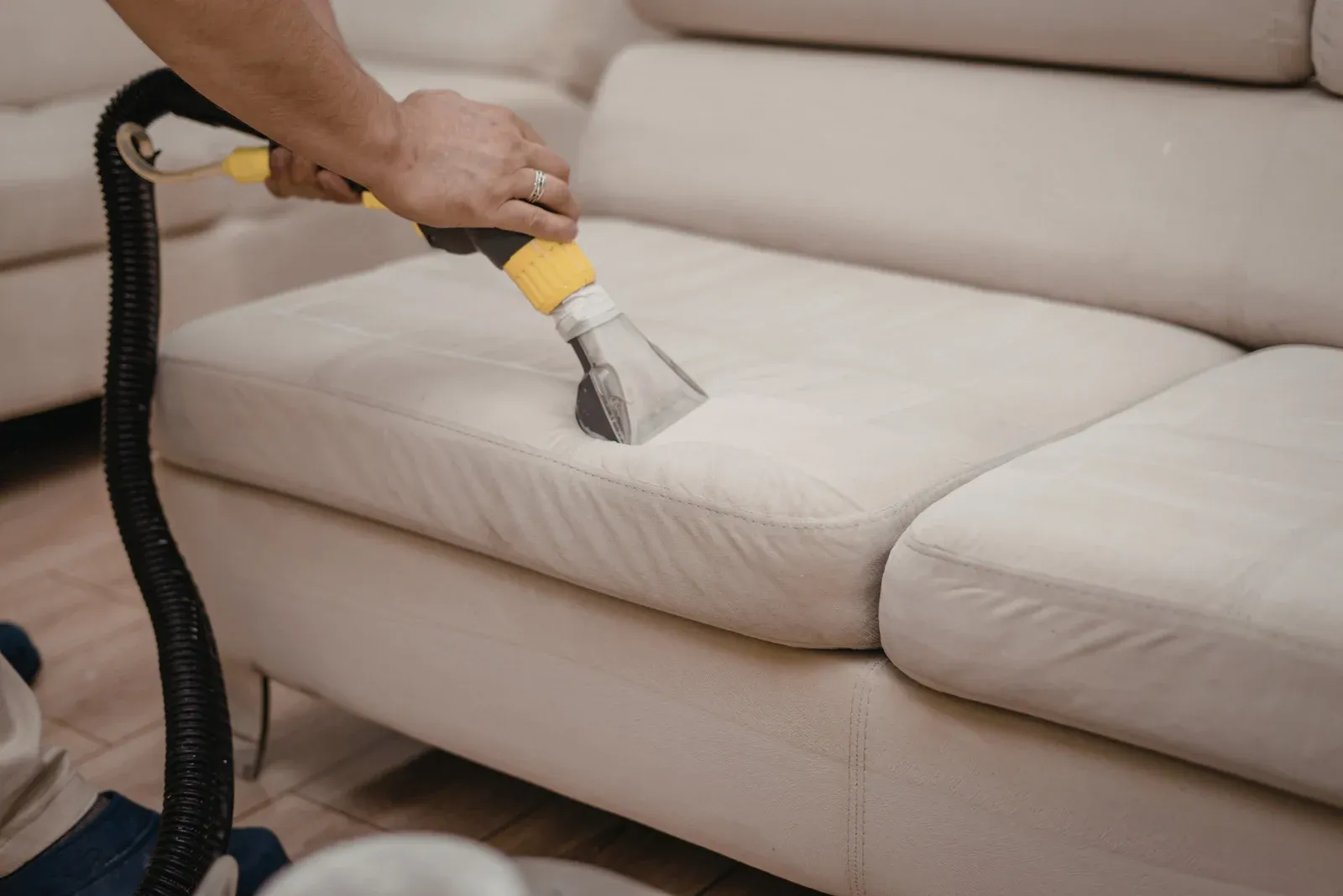
Deep fabric cleaning is a professional process designed to clean beyond the surface. It targets the full depth of fibres, padding, and backing materials where dirt, moisture, and allergens accumulate over time. This approach doesn’t just improve appearance; it restores fabric hygiene and performance.
Professional deep cleaning methods use specialised equipment to loosen embedded contaminants and extract them thoroughly. This process removes particles that household cleaning tools simply can’t reach, while also managing moisture levels to prevent lingering dampness.
How Dirt Behaves Inside Fabrics
Understanding how dirt behaves helps explain why deep cleaning is necessary. When dust and debris settle into fabric fibres, they don’t stay loose. Foot traffic, body weight, and daily movement push these particles deeper into carpets and upholstery.
Over time, dirt becomes compacted, bonding with oils and moisture. This makes fabrics feel flat, look dull, and wear out faster. Surface cleaning can remove what’s loose, but deep fabric cleaning is needed to break this bond and fully extract contaminants.
Moisture: The Hidden Factor
Moisture is one of the biggest differences between surface cleaning and deep fabric cleaning. Everyday activities such as cooking, bathing, and breathing release moisture into the air, which fabrics naturally absorb. Spills, condensation, and damp weather add to this moisture load.
Surface cleaning does little to remove trapped moisture. In contrast, deep cleaning focuses on controlled moisture use followed by powerful extraction. This restores fabric breathability and prevents dampness from lingering where it can cause odours and deterioration.
Impact on Carpets
Carpets experience constant pressure from foot traffic, which forces dirt and moisture deep into the pile and backing. Surface cleaning removes loose debris but leaves compacted dirt behind. Over time, this causes carpets to feel rough, look discoloured, and wear unevenly.
Deep carpet cleaning lifts fibres, removes embedded particles, and extracts moisture from the base of the carpet. This not only improves appearance but also extends the carpet’s usable life and restores comfort underfoot.
Impact on Upholstery
Upholstered furniture absorbs oils, perspiration, and moisture through daily use. Surface cleaning may freshen the fabric but rarely reaches the padding beneath, where contaminants accumulate.
Deep upholstery cleaning penetrates through the fabric into the cushioning layers, removing residues that contribute to odours, flattening, and uneven wear. This helps upholstery maintain its shape, feel fresher, and age more evenly.
Impact on Curtains
Curtains quietly collect dust, airborne pollutants, and moisture from condensation, especially near windows. Surface cleaning methods such as light vacuuming remove some dust but leave fine particles trapped within the fabric folds.
Deep curtain cleaning removes these contaminants while managing moisture levels carefully. This prevents stiffness, dullness, and odours while helping curtains maintain their drape and texture.
Hygiene and Indoor Air Quality
Surface cleaning improves visual cleanliness but has limited impact on indoor air quality. Allergens such as dust mites, pollen, and pet dander often remain embedded in fabrics, continuing to circulate in the air.
Deep fabric cleaning removes these particles from their source. By extracting allergens and bacteria from deep within fibres, professional cleaning contributes to a healthier indoor environment, particularly for allergy sufferers.
Longevity and Fabric Protection
Fabrics that are only surface cleaned tend to degrade faster. Dirt acts like sandpaper inside fibres, gradually breaking them down. Moisture accelerates this process by weakening fibre structure.
Deep fabric cleaning reduces long-term damage by removing abrasive particles and restoring fibre flexibility. Over time, this helps carpets, upholstery, and curtains retain their appearance and comfort for much longer.
Why Both Cleaning Methods Matter
Surface cleaning and deep fabric cleaning are not competitors; they work best together. Regular surface cleaning slows dirt accumulation, while deep cleaning resets the fabric by removing what surface methods leave behind.
Relying on surface cleaning alone eventually leads to dullness, odours, and premature wear. Combining both approaches creates a balanced care routine that supports cleanliness, hygiene, and durability
The UK Climate Makes Deep Cleaning More Important
In the UK, high humidity levels mean fabrics rarely dry as quickly as they do in drier climates. This increases the risk of moisture becoming trapped within fibres, especially when only surface cleaning is used.
Deep fabric cleaning addresses this challenge by extracting moisture effectively, helping fabrics cope better with ongoing humidity. This makes professional cleaning especially valuable for UK homes.
Making the Right Choice for Your Home
If your fabrics look clean but feel flat, smell musty, or seem to wear quickly, surface cleaning alone may not be enough. Deep fabric cleaning restores freshness at a structural level, not just visually.
Understanding the difference allows homeowners to move from reactive cleaning to proactive care, protecting both comfort and investment.
Professional Fabric Care for Long-Term Results
Surface cleaning keeps your home looking tidy, but deep fabric cleaning keeps it truly clean. In homes where carpets, upholstery, and curtains play a major role in comfort, deep cleaning is essential for maintaining hygiene, appearance, and longevity.
At Sevenoaks Carpet Cleaning & Upholstery Cleaning, we bring over 25 years of experience delivering professional deep fabric cleaning tailored to UK homes and climate conditions. Our team uses proven techniques and precise moisture control to remove deeply embedded dirt, allergens, and residues that surface cleaning can’t reach.
If your soft furnishings feel tired, dull, or less fresh than they should, professional deep cleaning can make a noticeable difference—restoring comfort, improving indoor air quality, and helping your fabrics last longer.