How Climate & Humidity in the UK Affect Your Carpets, Upholstery, and Curtains
The UK’s climate is famously unpredictable. Frequent rainfall, mild temperatures, seasonal humidity shifts, and limited ventilation during colder months all influence the indoor environment of our homes. While these conditions are part of everyday life, they quietly affect the fabrics we live with—particularly carpets, upholstery, and curtains.
Soft furnishings act like sponges, absorbing moisture, airborne pollutants, and temperature changes. Over time, the UK’s climate can cause fabrics to look dull, feel heavy, develop odours, or wear out faster than expected. Understanding how climate and humidity impact household textiles allows homeowners to protect them more effectively and maintain a healthier indoor environment.
Understanding Indoor Humidity in UK Homes
Humidity refers to the amount of moisture in the air. In the UK, humidity levels tend to remain moderate to high throughout much of the year due to frequent rain and relatively cool temperatures. During autumn and winter, homes are often sealed tightly to retain heat, reducing airflow and allowing moisture to build up indoors.
Everyday activities such as cooking, showering, drying clothes indoors, and even breathing release moisture into the air. Without proper ventilation, this moisture settles into carpets, upholstery, and curtains, where it can cause long-term issues.
How Moisture Settles Into Soft Furnishings
Carpets, upholstery, and curtains are made from fibres designed to absorb and release moisture. However, when humidity levels remain high for extended periods, fabrics struggle to dry fully. Moisture becomes trapped deep within fibres and backing materials, creating ideal conditions for deterioration.
This trapped moisture can:
- Weaken natural fibres
- Cause synthetic materials to stiffen
- Encourage dust mite activity
- Create musty odours
- Increase the risk of mould growth
Unlike hard surfaces, soft furnishings hide these problems beneath the surface, making them easy to overlook until damage becomes noticeable.
The Impact of UK Climate on Carpets
Carpets are particularly vulnerable to humidity because they sit directly on the floor, where moisture levels are often higher. During wet weather, water is tracked indoors on shoes, while condensation can develop on cold floors beneath carpets.
Over time, excess moisture in carpets can lead to:
- Flattened or matted fibres
- Slow drying after cleaning
- Persistent damp smells
- Increased dirt retention
- Breakdown of carpet backing
In humid conditions, dirt binds more easily to carpet fibres, making carpets appear darker and harder to clean. Without proper extraction, even routine cleaning can leave carpets feeling heavy or sticky.
Upholstery and the Effects of Fluctuating Humidity
Upholstered furniture absorbs moisture from the air and from direct contact with people. Body heat, sweat, and oils all contribute to dampness within fabric and padding. In the UK’s variable climate, upholstery may struggle to release this moisture fully, particularly in rooms with limited airflow.
Prolonged exposure to humidity can cause upholstery to:
- Lose firmness as padding absorbs moisture
- Develop unpleasant odours
- Attract dust mites and allergens
- Show uneven wear or discolouration
- Feel cool or clammy to the touch
Natural fabrics such as cotton, wool, and linen are especially sensitive, as they absorb moisture more readily than synthetic materials.
Curtains as Moisture and Dust Collectors
Curtains are often overlooked when discussing humidity, yet they play a major role in indoor air quality. Positioned near windows, curtains are exposed to condensation, temperature changes, and outdoor pollutants.
In damp conditions, curtains can:
- Absorb moisture from condensation
- Trap airborne dust and allergens
- Develop musty smells
- Lose shape or stiffness
- Become breeding grounds for mould spores
Because curtains are rarely cleaned as frequently as carpets or upholstery, moisture-related issues can build up unnoticed over time.
Seasonal Changes and Their Effects
The UK’s seasons each present unique challenges for soft furnishings:
Winter:
Limited ventilation and higher indoor humidity increase the risk of damp odours and dust mite activity. Carpets and upholstery may take longer to dry after cleaning.
Spring:
Rising humidity combined with pollen levels can worsen allergy symptoms, particularly when allergens settle into fabrics.
Summer:
Warm air holds more moisture, and humidity can spike during rainy periods. Fabrics may feel heavier and retain odours more easily.
Autumn:
Wet weather increases moisture tracked indoors, while cooler temperatures reduce evaporation, leading to damp build-up in carpets and rugs.
Understanding these seasonal patterns helps homeowners adjust care routines throughout the year.
Why Humidity Encourages Dust Mites and Allergens
Dust mites thrive in warm, humid environments and feed on skin cells trapped in fabrics. UK homes often provide ideal conditions, especially in carpets, upholstery, and curtains that retain moisture.
High humidity allows allergens to survive longer, increasing the risk of:
- Sneezing and congestion
- Asthma flare-ups
- Skin irritation
- Poor indoor air quality
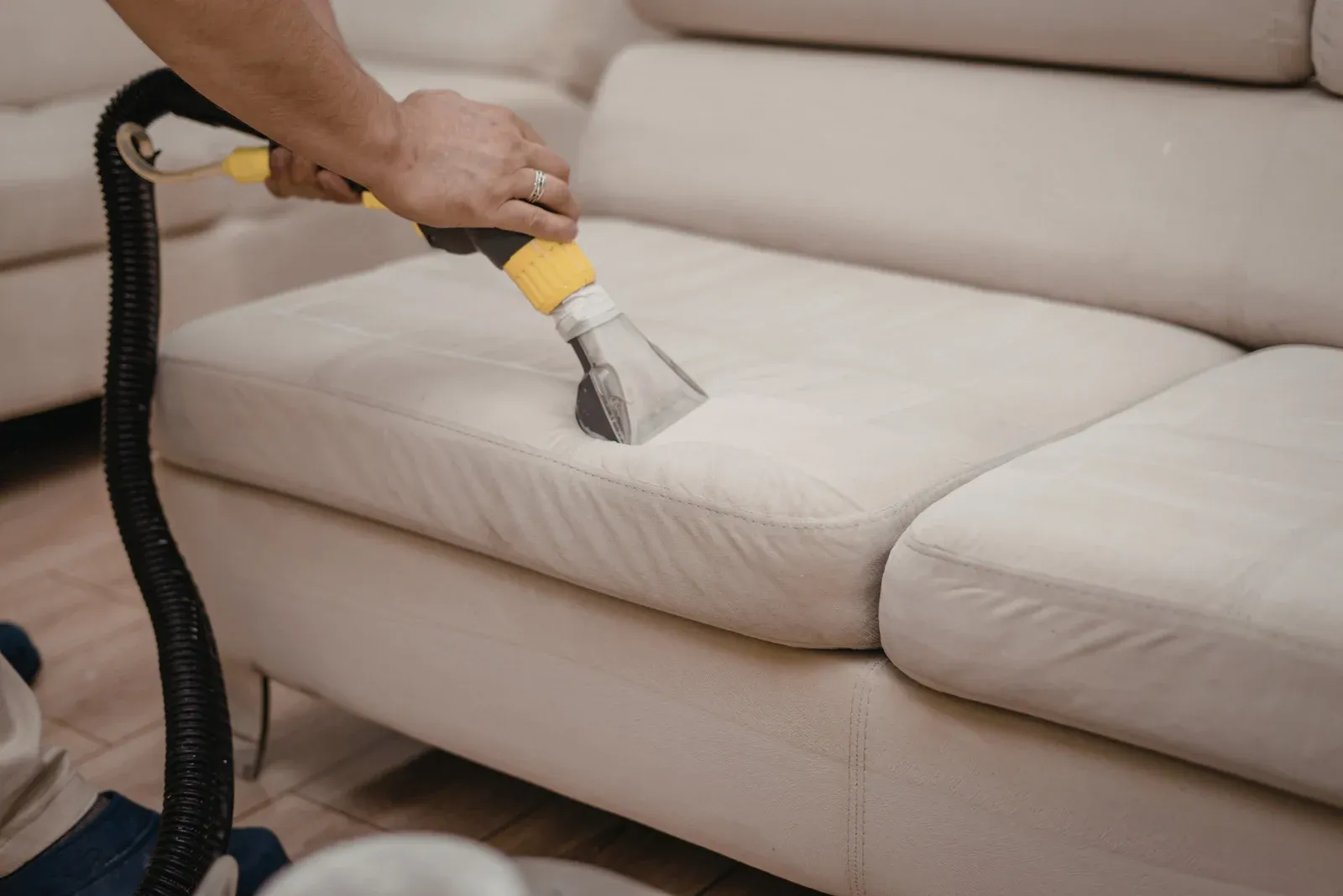
Regular professional cleaning reduces allergen levels by removing moisture, debris, and dust mite habitats from deep within fabrics.
The Role of Professional Cleaning in Humid Conditions
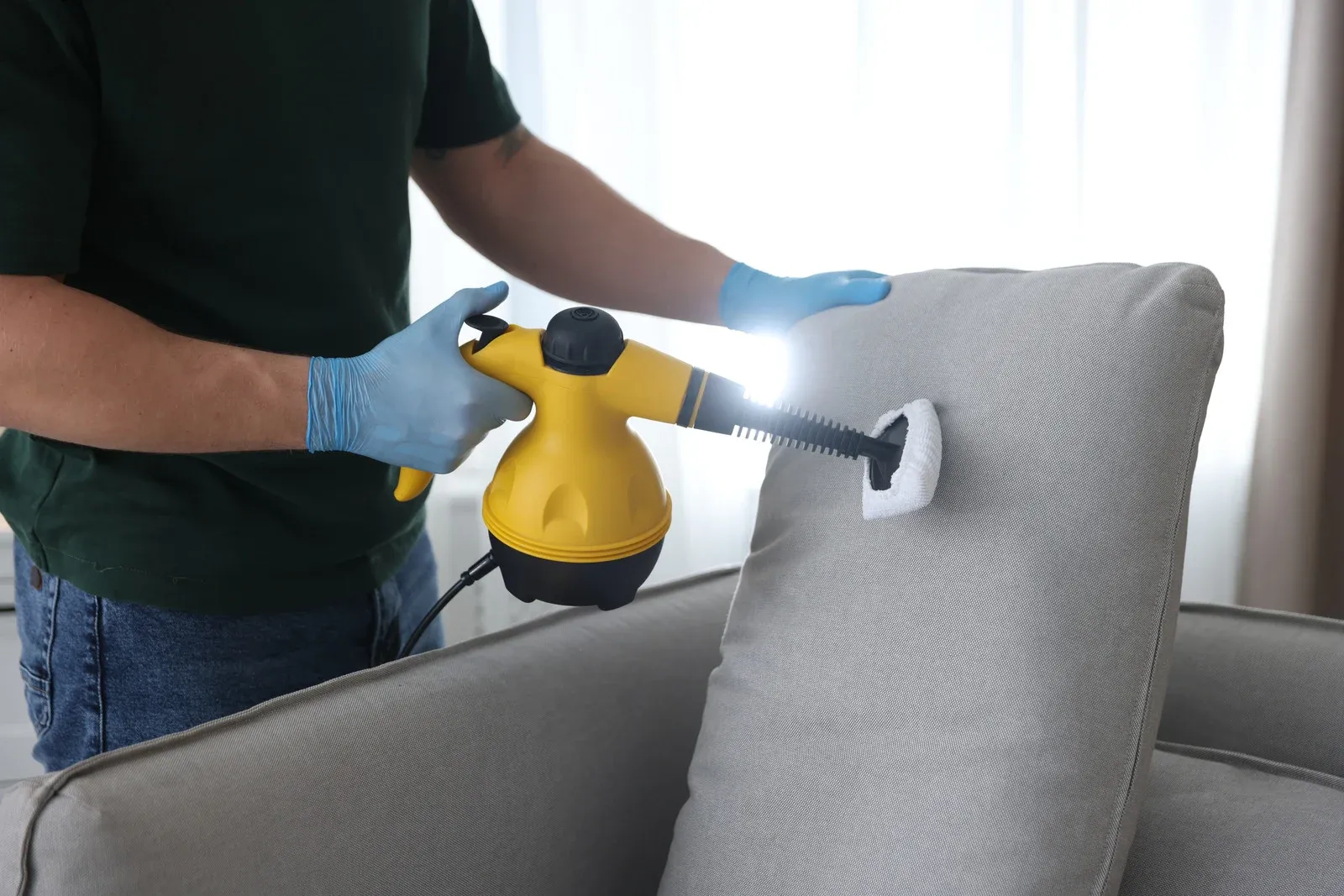
Professional cleaning is particularly important in the UK because standard household methods rarely remove enough moisture or contaminants to counteract climate-related effects.
Professional equipment:
- Extracts moisture deeply and efficiently
- Reduces drying times
- Removes embedded allergens and bacteria
- Prevents residue build-up
- Restores fabric breathability
This level of cleaning helps soft furnishings cope better with ongoing humidity and seasonal changes.
Preventative Steps Homeowners Can Take
While the UK climate can’t be controlled, indoor conditions can be managed. Simple habits help protect carpets, upholstery, and curtains from humidity-related damage.
Effective preventative measures include:
- Ventilating rooms daily, even in winter
- Using extractor fans in kitchens and bathrooms
- Avoiding drying clothes indoors where possible
- Vacuuming fabrics regularly
- Addressing spills promptly
- Scheduling professional cleaning before damp problems develop
These steps reduce moisture retention and slow fabric deterioration.
Long-Term Fabric Care in a UK Climate
Climate-related wear is gradual, but its effects are cumulative. Soft furnishings that are not properly maintained often age faster, lose comfort, and require replacement sooner.
By understanding how humidity and climate affect fabrics, homeowners can take proactive steps to preserve their interiors. Professional cleaning acts as preventative maintenance, not just a cosmetic service.
Expert Fabric Care in Sevenoaks
The UK’s climate presents unique challenges for maintaining carpets, upholstery, and curtains. Without the right care, moisture, allergens, and pollutants can quietly damage fabrics and affect indoor comfort.
At Sevenoaks Carpet Cleaning & Upholstery Cleaning, we bring over 25 years of experience helping homeowners protect their soft furnishings in all seasons. Our professional cleaning methods are designed to remove deep-seated moisture, allergens, and contaminants while preserving fabric integrity.
If your home feels damp, your furnishings smell musty, or your fabrics are due for professional care, our expert team is here to help you maintain a cleaner, healthier living environment year-round.