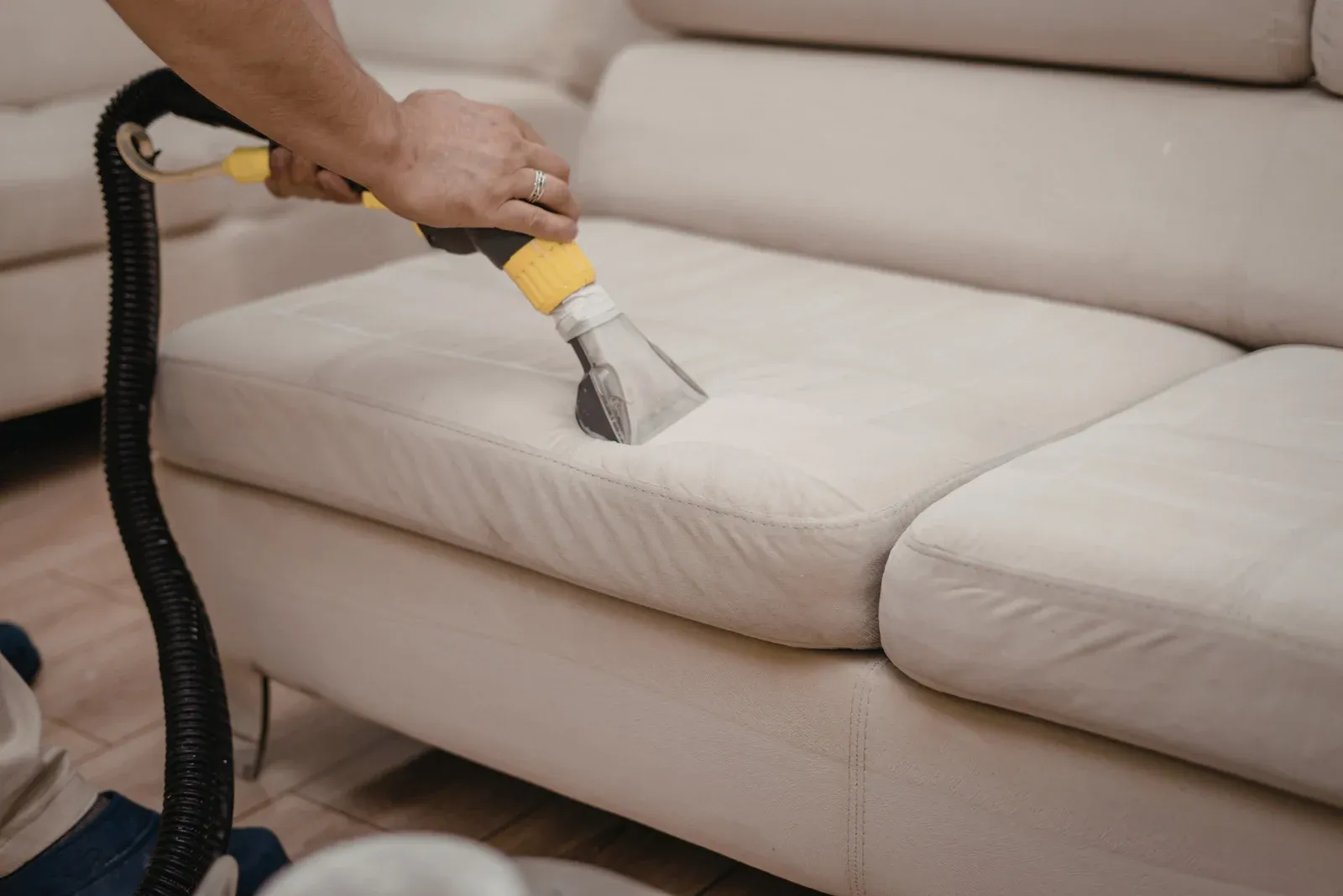
How to Refresh High-Traffic Carpet Areas Without Damaging the Fibres
High-traffic areas are the true test of any carpet. Hallways, staircases, entrances, and main living spaces experience constant footfall, day after day. Shoes bring in grit, moisture, and oils, while repeated pressure flattens fibres and dulls colour. Over time, these areas can make an otherwise clean home look tired and worn.
Many homeowners believe that once carpets reach this stage, replacement is the only solution. In reality, high-traffic carpets can often be refreshed and restored safely. The key is using the right techniques that clean deeply while protecting the fibres, rather than relying on aggressive methods that cause long-term damage.
Understanding how carpets wear and how to care for them properly can dramatically extend their lifespan and restore their appearance.
What Really Causes Wear in Busy Carpeted Areas
Carpet fibres are designed to bend and recover, but heavy foot traffic gradually breaks this cycle. Fine dirt particles become trapped deep within the pile, acting like abrasives as people walk across them. Over time, this constant friction weakens fibres, causing them to flatten, split, or lose their natural spring.
Moisture adds another layer of damage. Rainwater, spills, and even humidity soften fibres and allow dirt to bind more easily. Without proper removal, this build-up makes carpets look darker and feel rough, particularly in walkways and doorways.
Why Aggressive Cleaning Often Makes Things Worse
When carpets begin to look worn, it’s common to try stronger cleaning products or vigorous scrubbing. Unfortunately, these approaches often accelerate fibre damage rather than fixing the problem.
Harsh brushes can fray fibres, while excessive water weakens the carpet backing and increases drying times. Many off-the-shelf cleaners also leave sticky residues behind, attracting dirt and causing carpets to soil more quickly after cleaning.
Rather than restoring the carpet, repeated aggressive treatments can permanently alter texture and colour, especially in wool or blended carpets.
Deep Soil Removal Is the Foundation of Safe Restoration
Refreshing high-traffic carpets starts below the surface. Much of the damage seen in busy areas is caused by dirt that ordinary vacuuming cannot remove. This embedded soil weighs down fibres, prevents them from standing upright, and creates a dull, grey appearance.
Professional carpet cleaning focuses on loosening and extracting these particles safely. Controlled agitation and powerful extraction remove dirt from the base of the fibres without stressing or breaking them. Once the soil is removed, the carpet immediately looks brighter and feels softer.
Using the Right Cleaning Method for Each Fibre Type
Not all carpets respond the same way to cleaning. Wool, nylon, and synthetic blends each have unique properties that must be respected to avoid damage.
Fibre-safe cleaning uses:
- pH-balanced solutions appropriate for the material
- Controlled moisture levels
- Temperatures that won’t shrink or distort fibres
- Thorough rinsing to prevent residue build-up
This tailored approach ensures effective cleaning while preserving fibre strength, colour, and resilience.
Restoring Flattened Areas Without Harsh Scrubbing
Matting is one of the most noticeable problems in high-traffic zones. Fibres become compressed and stop reflecting light evenly, creating visible pathways through the carpet. While this can look permanent, it often isn’t.
Gentle pile-lifting techniques realign fibres rather than tearing them. When combined with deep cleaning, this process allows the carpet to regain volume and texture, blending worn areas more naturally with the rest of the room.
The Importance of Proper Drying
Moisture left behind after cleaning can undo even the best results. Slow drying weakens fibres, encourages odours, and increases the risk of mould or bacteria growth. Damp carpets also attract dirt more quickly, causing traffic areas to reappear sooner.
Professional equipment extracts most of the moisture during cleaning, allowing carpets to dry quickly and evenly. Fast drying protects the structure of the carpet and helps maintain a fresh, clean feel.
Why Targeted Cleaning Delivers Better Results
High-traffic areas require focused care, not excessive whole-room cleaning. Targeting walkways and busy zones allows for deeper soil removal where it matters most, without overworking less-used areas of the carpet.
This approach reduces unnecessary wear, improves overall appearance, and helps carpets age more evenly across the room.
Simple Habits That Protect Busy Carpet Areas
Ongoing maintenance plays a major role in keeping high-traffic carpets looking good. Regular vacuuming removes abrasive dirt before it settles deep into fibres. Entrance mats reduce the amount of debris brought indoors, while quick attention to spills prevents staining and fibre damage.
Scheduling professional cleaning before carpets become heavily soiled is one of the most effective ways to protect them long term.
Professional Carpet Care in Sevenoaks
High-traffic carpets don’t have to look worn or feel uncomfortable. With the right methods, they can be refreshed, revived, and protected without damaging the fibres that give them comfort and durability.
At Sevenoaks Carpet Cleaning & Upholstery Cleaning, we bring over 25 years of experience serving homes across Sevenoaks and surrounding areas. Our professional cleaning process is designed to remove deep-seated dirt, restore fibre structure, and extend the life of your carpets using safe, proven techniques.
If your carpets are showing signs of heavy use and you want long-lasting results without risk, our expert team is here to help restore your home’s comfort and appearance.