Hidden Allergens in Your Home: Mattress Cleaning for Allergy Sufferers
Many people assume their home is clean and safe, but mattresses often hide some of the strongest allergy triggers. Dust mites, pet dander, sweat, dead skin cells, mould spores, and bacteria collect deep inside mattress layers—far below the surface. Because you spend hours sleeping in one spot, these allergens stay close to your face, making symptoms worse overnight. For those struggling with sneezing, itching, sinus irritation, or poor sleep,
mattress hygiene is more than just a cleaning task—it’s a vital part of managing allergies. Understanding where these allergens hide and how to remove them can make a dramatic difference in your health and comfort.
1. Dust Mites Thrive in Warm, Humid Mattress Environments
Dust mites are one of the most common triggers for allergy sufferers. Mattresses naturally trap moisture from sweat and body heat, creating the perfect space for dust mites to feed and multiply. Vacuuming alone does nothing to reach the mites hiding deep inside the foam or padding. Dust mites cause:
- Night-time coughing
- Sinus congestion
- Itchy, watery eyes
- Skin irritation
- Breathing discomfort
Professional cleaning is the only method that penetrates the deeper layers where dust mites live.
2. Sweat and Body Oils Create Allergen Hotspots
During sleep, the average person loses around half a litre of moisture through sweat, along with natural oils and skin cells. These substances seep into the mattress, feeding bacteria and creating odours. Over time, this buildup becomes a powerful irritant for sensitive individuals. Signs your mattress is contaminated:
- Persistent musty smells
- Yellowing patches
- Worsening morning allergies
- Increased sneezing at night
Removing these deeply embedded residues helps restore a cleaner sleeping environment.
3. Pet Dander Settles Deep into Fibres
Even if pets don’t sleep on the bed, dander still floats around the home and sticks to bedding. Once it enters the mattress, it becomes almost impossible to remove without proper extraction. For people with pet allergies, this trapped dander can trigger strong reactions throughout the night.
4. Mould Spores Hide Inside Mattresses Without Visible Signs
Mattresses absorb moisture from humidity, spills, and everyday use. If the internal layers stay damp, mould can grow without appearing on the surface. This hidden mould releases spores that worsen respiratory symptoms and allergies. Common mould-related symptoms:
- Wheezing
- Tight chest
- Runny nose
- Headaches
- Breathing issues
Routine mattress cleaning helps remove moisture and prevent mould formation.
5. Allergy Relief Starts With Deep Cleaning, Not Surface Cleaning
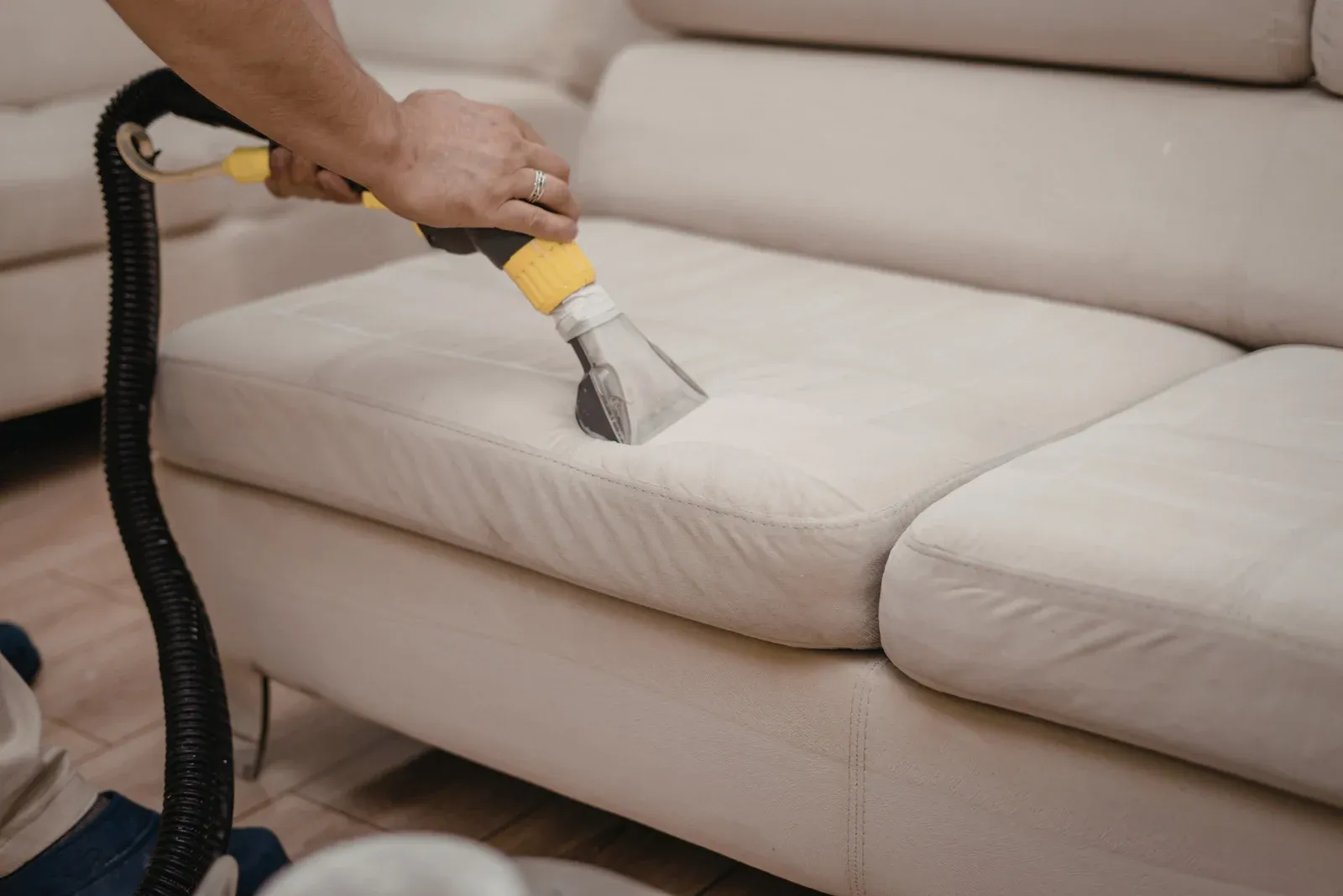
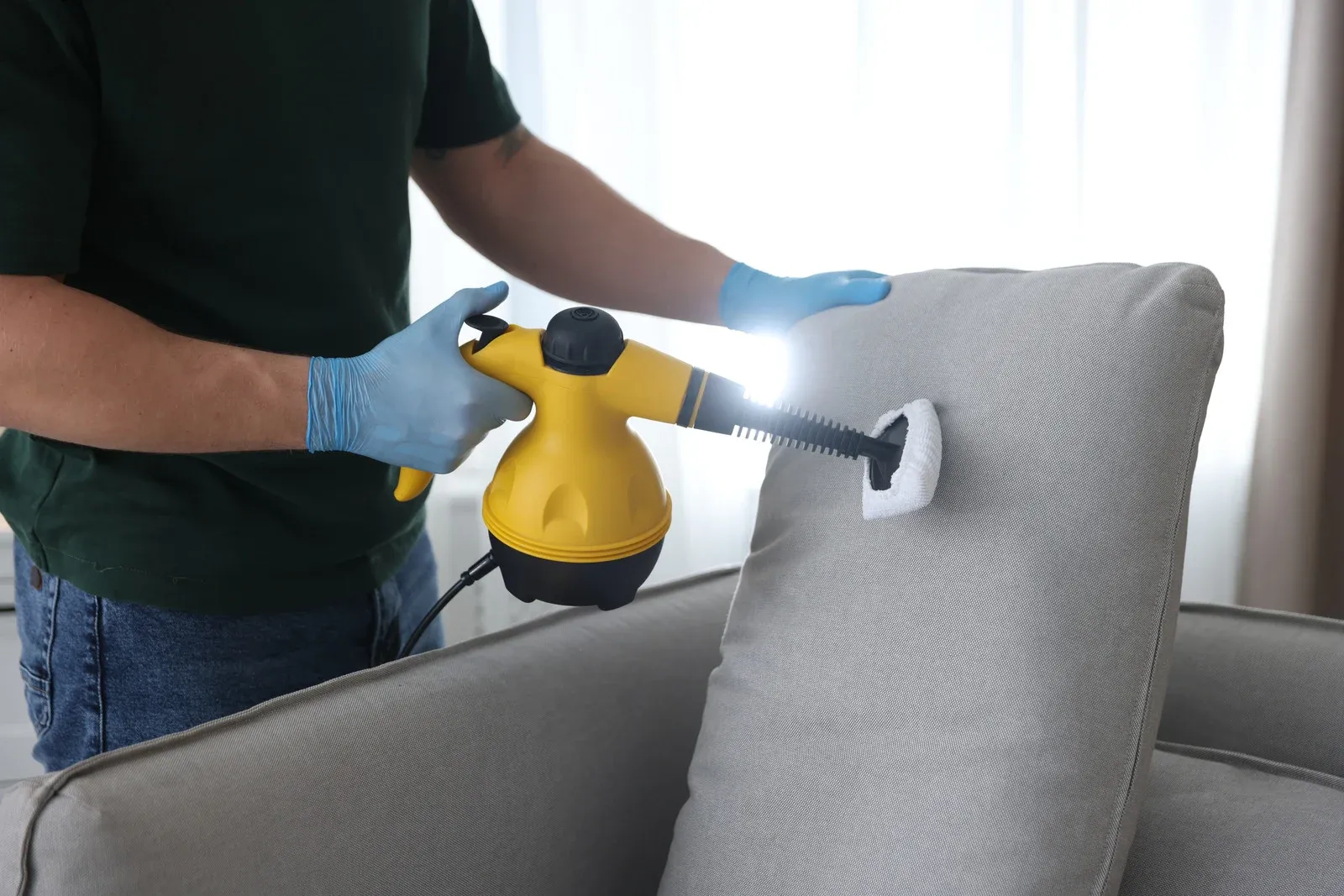
Many people wash bedding but ignore the mattress beneath it. While bedding traps some allergens, most settle inside the mattress itself. Professional extraction removes allergens, bacteria, debris, and odours from deep within—something no household tool can achieve.
Create a Healthier Sleep Environment With Expert Care
A cleaner mattress can make all the difference for allergy sufferers, especially when health and comfort depend on the air you breathe at night. At Sevenoaks Carpet Cleaning & Upholstery Cleaning, we bring 25
years of experience serving Sevenoaks and surrounding areas, and our mattress-cleaning process is designed to remove hidden allergens, refresh fabric layers, and help you sleep more comfortably. If you want a healthier home and relief from persistent allergy symptoms, our specialists are here to support you with safe, effective, and deeply restorative cleaning solutions.