How to Protect Your Upholstery From Everyday Wear: A Homeowner’s Guide
Upholstered furniture is one of the most used features in any home. Sofas, armchairs, dining chairs, and footstools provide comfort, style, and functionality—but they also take a daily beating. From family life and pets to food spills and general use, upholstery quietly absorbs wear that can shorten its lifespan if left unchecked.
Many homeowners assume fading, sagging, or fabric thinning is unavoidable. While some ageing is natural, most upholstery damage comes from preventable causes. With the right care habits and professional support, you can preserve your furniture’s appearance, comfort, and structure for many years.
This guide explains how everyday wear affects upholstery and what practical steps homeowners can take to protect their investment.
Understanding How Upholstery Wears Over Time
Upholstery wear rarely happens overnight. It develops gradually through friction, pressure, and the build-up of dirt and oils. Each time someone sits down, fabric fibres bend and rub against one another. When combined with dust and grit, this friction slowly weakens the material.
Body oils, sweat, and airborne pollutants also settle into upholstery, particularly in frequently used seating areas. Over time, this causes fabric to stiffen, discolour, or lose its original texture. Cushions may flatten, seams may strain, and fabrics can appear dull even when no visible stains are present.
Recognising these subtle signs early is key to preventing long-term damage.
Regular Vacuuming Is More Important Than You Think
One of the simplest yet most effective ways to protect upholstery is regular vacuuming. Dust, crumbs, pet hair, and fine grit accumulate quickly and act as abrasive particles when people sit or move on furniture.
Using a vacuum with a soft upholstery attachment helps remove debris without pulling or stretching fibres. Paying attention to seams, creases, and cushion edges prevents dirt from settling into hard-to-reach areas where damage often begins.
Vacuuming weekly—or more often in busy households—significantly slows fabric wear and keeps upholstery feeling fresher between professional cleans.
Rotate Cushions to Prevent Uneven Wear
Most people have favourite seats, and upholstery shows it. Constant pressure on the same cushions leads to uneven fading, flattening, and fabric stress. Rotating cushions regularly distributes wear more evenly and helps maintain shape.
If cushions are reversible, flipping them over also reduces compression and prolongs filling resilience. Even non-reversible cushions benefit from being swapped from one position to another every few weeks.
This small habit can dramatically extend the life of sofas and chairs.
Protect Upholstery From Sunlight Exposure
Sunlight is one of the most underestimated causes of upholstery damage. Prolonged exposure to UV rays breaks down fabric fibres and causes colours to fade, especially on natural fabrics and darker shades.
Furniture positioned near windows or conservatories is particularly vulnerable. Using blinds, curtains, or UV-filtering window treatments helps reduce exposure during peak sunlight hours.
Rearranging furniture occasionally can also prevent one side from fading faster than the rest, keeping upholstery looking balanced and uniform.
Act Quickly When Spills Happen
Spills are inevitable, but lasting damage isn’t—if you respond correctly. The most common mistake homeowners make is rubbing stains, which pushes liquid deeper into the fabric and spreads it further.
Blotting gently with a clean, absorbent cloth removes excess moisture without damaging fibres. Avoid applying household cleaners or detergents unless you’re certain they’re suitable for the fabric type. Incorrect products can cause colour loss, water marks, or residue build-up.
When stains don’t lift easily or involve delicate fabrics, professional upholstery cleaning is the safest solution.
Pets and Upholstery: Reducing Daily Damage
Pets add warmth and companionship to a home, but they can be tough on furniture. Fur, dander, claws, and natural oils all contribute to upholstery wear and odours.
Using washable throws or covers on pet-favourite areas provides a protective barrier without sacrificing comfort. Regular brushing of pets also reduces the amount of hair and oils transferred onto furniture.
Professional cleaning removes embedded pet hair, allergens, and odours that household tools cannot fully extract, helping maintain both cleanliness and fabric integrity.
Avoid Overloading Furniture Beyond Its Design
Upholstered furniture is built with specific weight limits and usage in mind. Standing on sofas, jumping on cushions, or overcrowding seating places unnecessary strain on frames, springs, and fabric seams.
Encouraging gentle use—especially with children—helps preserve the internal structure that supports upholstery. When the frame and padding stay in good condition, fabric wear is reduced as well.
Why DIY Cleaning Can Shorten Upholstery Lifespan
While spot-cleaning has its place, frequent DIY deep cleaning often does more harm than good. Excess moisture, incorrect products, and over-scrubbing weaken fibres and can cause shrinkage, texture changes, or lingering dampness.
Upholstery fabrics vary widely, from cotton and wool to synthetics and blends. Each requires a specific approach to cleaning.
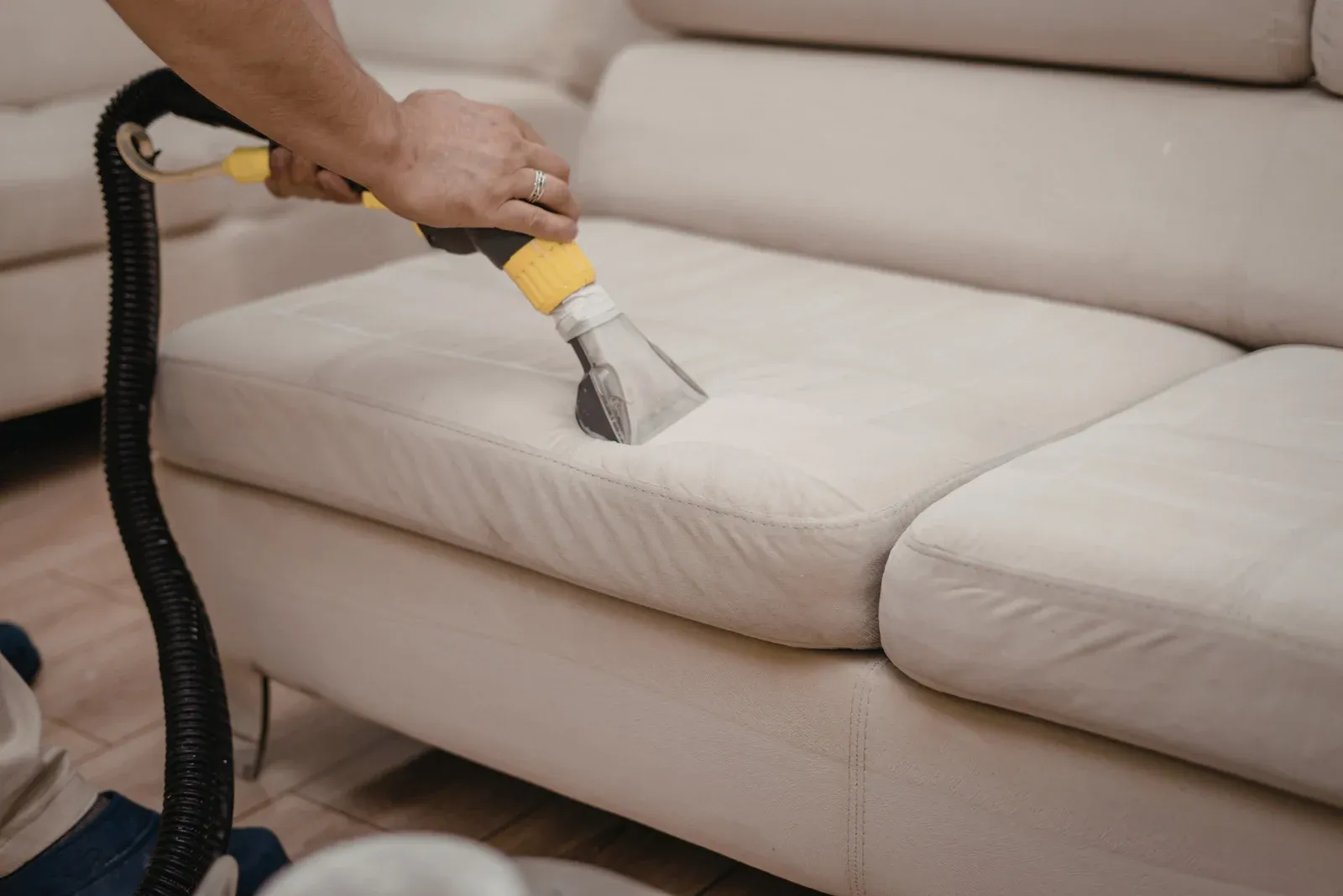
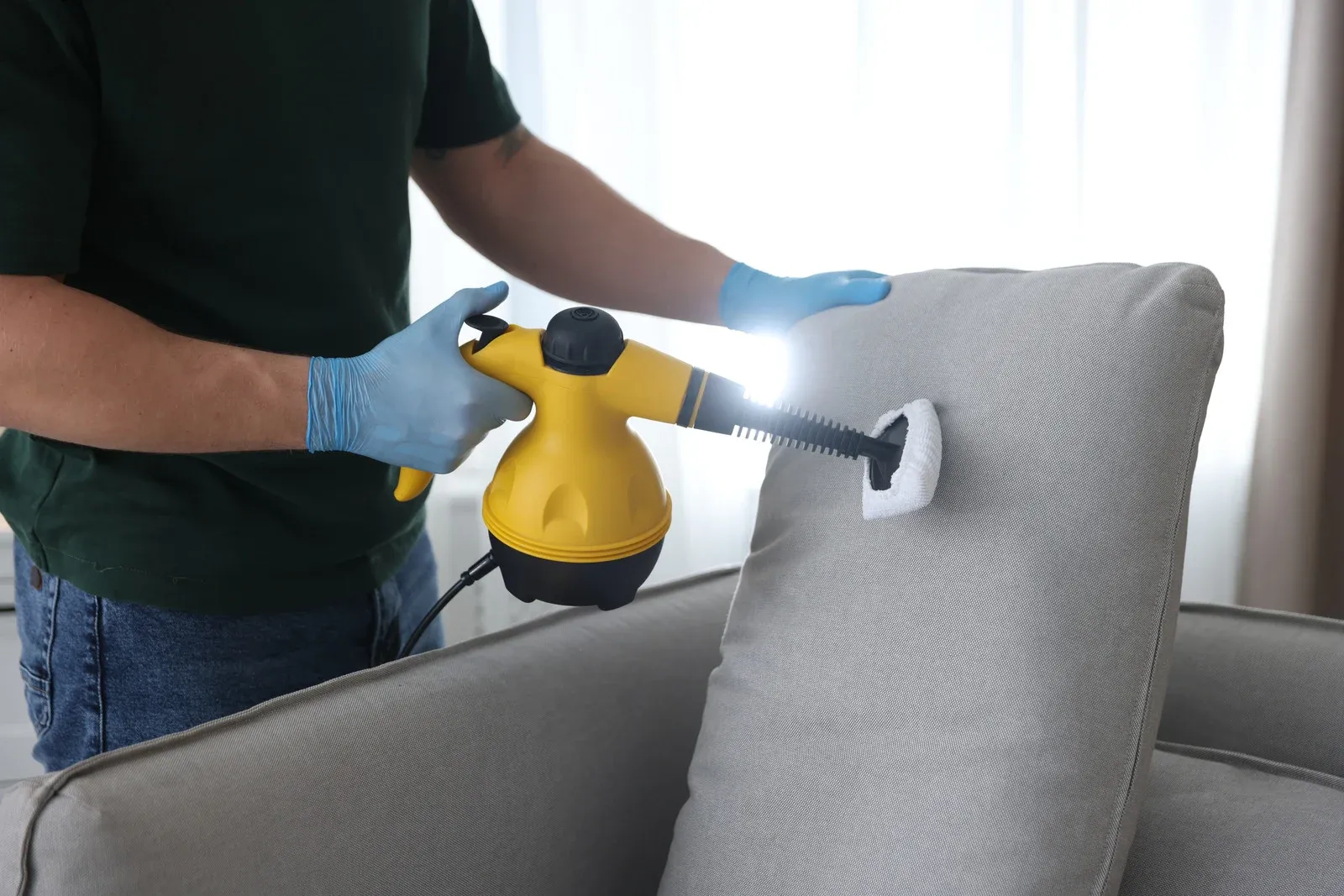
Professional upholstery cleaning uses controlled moisture, fibre-safe solutions, and powerful extraction to clean thoroughly without damaging the fabric or padding beneath.
Professional Cleaning as Preventative Care
Many homeowners wait until upholstery looks visibly dirty before seeking professional help. By that point, damage may already be developing beneath the surface.
Routine professional cleaning removes deeply embedded dirt, oils, and allergens before they cause fibre breakdown. It also revitalises fabric texture, improves colour clarity, and helps cushions maintain their shape.
Scheduling cleaning every 12–18 months—more frequently for busy households—acts as preventative maintenance rather than damage control.
Creating a Long-Term Upholstery Care Routine
Protecting upholstery isn’t about one-time fixes. It’s about consistent habits that work together over time. Vacuuming, rotating cushions, managing sunlight exposure, addressing spills correctly, and scheduling professional cleaning all contribute to long-lasting furniture.
When these practices become part of your regular home care routine, upholstery stays comfortable, attractive, and hygienic for far longer.
Professional Upholstery Care You Can Trust
Upholstered furniture is an investment in comfort and style. Protecting it from everyday wear ensures you get the most value and enjoyment from your home.
At Sevenoaks Carpet Cleaning & Upholstery Cleaning, we bring over 25 years of experience helping homeowners care for their upholstery safely and effectively. Our professional cleaning methods are tailored to each fabric type, removing deep-seated dirt while preserving texture, colour, and structure.
If your upholstery is showing signs of daily wear—or you want to prevent damage before it starts—our expert team is here to help keep your furniture looking and feeling its best.