The Hidden Health Risks of Neglecting Mattress Cleaning in Humid UK Homes
In the UK’s damp climate, maintaining indoor hygiene requires more than surface cleaning. One often-overlooked area is the mattress, which quietly accumulates allergens, bacteria, and moisture-related contaminants over time. With homes across the UK—especially in regions with persistent humidity—being prone to mould and dust mites, mattresses become ideal breeding grounds for potential health hazards. Regular vacuuming and airing out may not be enough to counter the deep-seated issues embedded within the layers of fabric and foam. Neglecting mattress hygiene doesn’t just compromise sleep quality; it also affects respiratory health, skin conditions, and overall wellness. Investing in professional mattress cleaning is crucial to protect both comfort and health at home.
1. Dust Mites and Allergens
Mattresses provide a warm and humid environment that attracts dust mites, which feed on dead skin cells shed during sleep. These microscopic pests produce allergens that can trigger asthma, eczema, and hay fever, particularly in children and individuals with allergies. The longer a mattress remains uncleaned, the more allergens build up, increasing the likelihood of nightly irritation, sneezing, and disrupted sleep. Regular deep cleaning significantly reduces mite populations and allergen load.
2. Mould and Mildew Buildup
The UK’s high humidity levels, especially in poorly ventilated bedrooms, create a prime environment for mould and mildew growth inside mattresses. Even the moisture from body heat and sweat can seep deep into the foam layers, leading to microbial activity. This not only contributes to an unpleasant, musty smell but also poses serious respiratory risks. Professional mattress cleaning removes trapped moisture and prevents long-term fungal contamination.
3. Bacterial Contamination
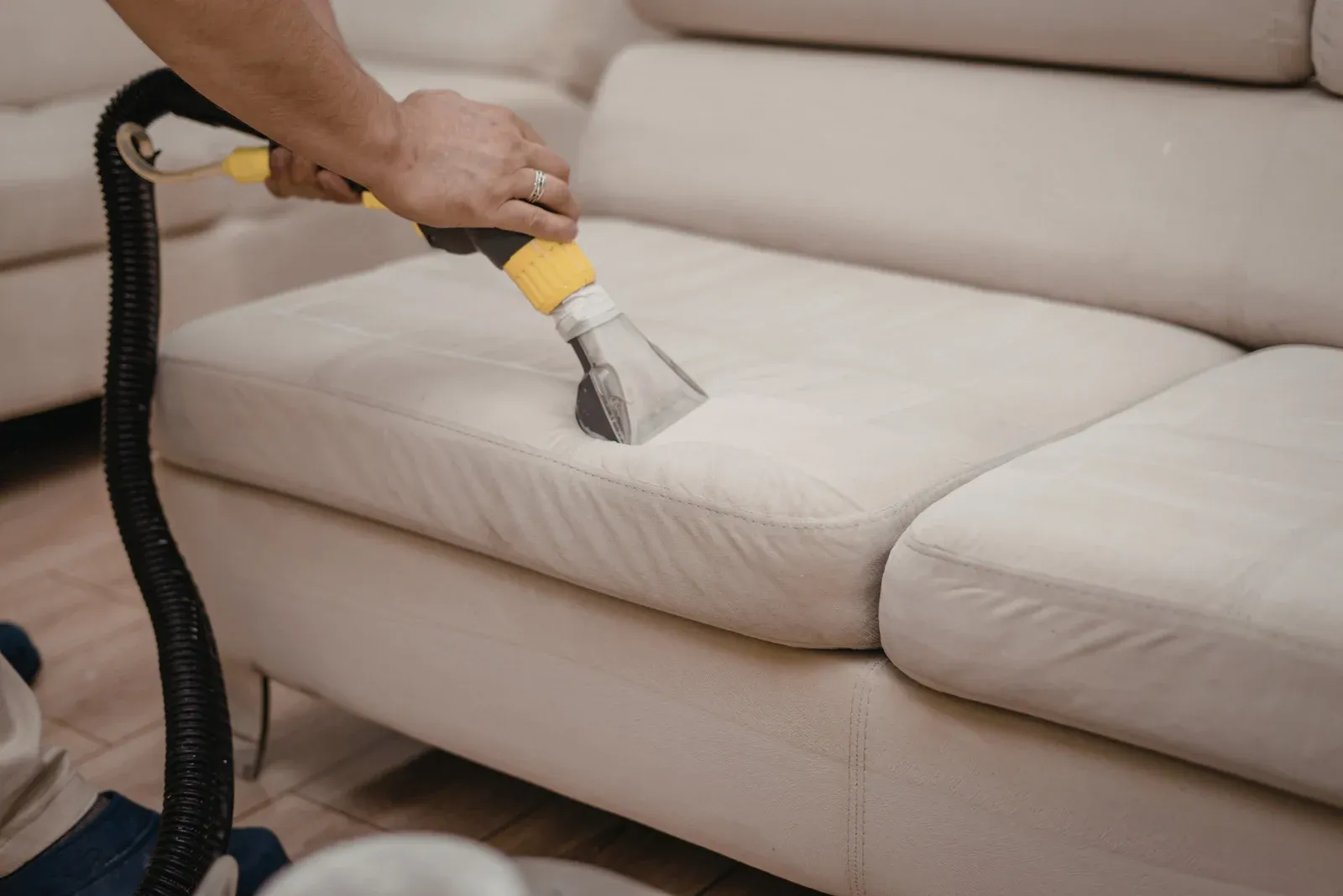
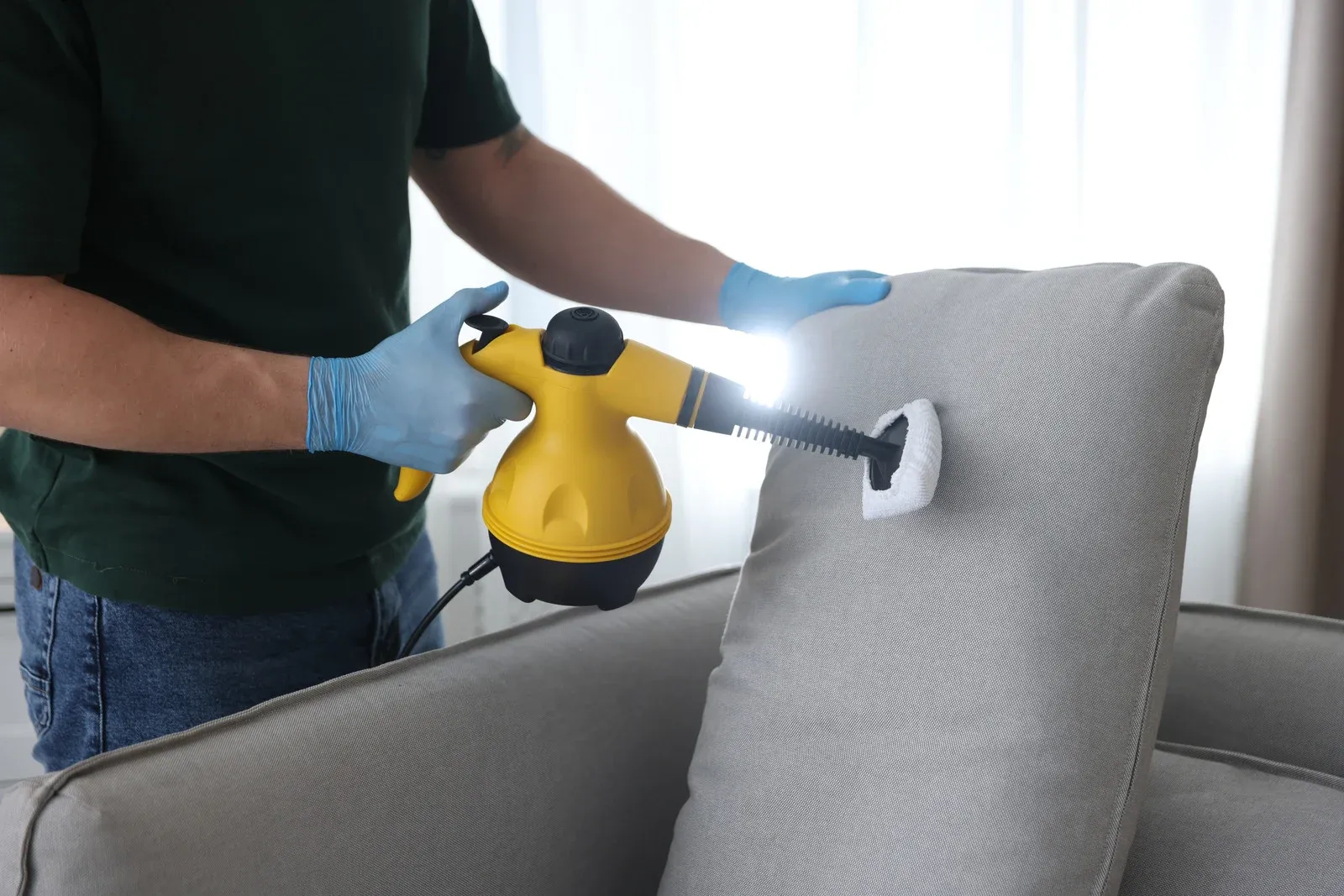
Over time, bacteria from body fluids, spills, and airborne pollutants settle into the mattress. This contamination may include harmful strains such as E. coli and staphylococcus, which can lead to skin infections and other health issues. The risk is especially high for households with young children or elderly residents. Regular professional cleaning uses steam or hot water extraction methods that sanitise the mattress thoroughly and safely.
4. Skin and Eye Irritations
Dirty mattresses can cause skin flare-ups, rashes, and even eye irritations. Prolonged exposure to allergens, bacteria, and fungal spores while sleeping weakens the skin barrier and triggers conditions like dermatitis or conjunctivitis. Sensitive skin types are particularly vulnerable. A hygienic mattress ensures that your sleep surface remains clean and gentle on your skin, reducing the chance of inflammation or infection.
Mattress cleaning is a critical yet often overlooked aspect of home hygiene. Especially in humid UK homes, mattresses can harbour allergens, bacteria, and mould that pose real health risks. Prioritising professional mattress cleaning improves not just cleanliness but overall wellness. By ensuring a sanitised sleeping surface, you contribute to a healthier, more restful household environment—something every home deserves.
With over 25
years of experience, Sevenoaks Carpet Cleaning & Upholstery Cleaning
offers
expert mattress cleaning services throughout Sevenoaks and surrounding areas. Their specialised techniques effectively eliminate allergens, moisture, and bacteria, helping homeowners maintain a healthier living space and improved sleep hygiene all year round.